Sullivan County explains opt-in Community Power electricity program
Sullivan County’s opt-in Community Power plan could lower or raise your electric bill depending on the posted supply rate, so the first step is comparing it with Eversource.
The Sullivan County Delegation approved the county’s Community Power Electric Aggregation Plan on June 27, 2025. The county’s program is available on an “opt in” basis, which means nobody is forced into it, and the practical question for households and businesses is whether the county’s supply price improves on the utility’s standard offer.
How the opt-in model works
Sullivan County’s Electric Aggregation Plan is framed as an “opt-in electric supply service,” and the county page places Community Power under County Programs/Plans.
In practice, opt-in means you stay with your current utility supply unless you actively choose the county program. If you want the county option, you have to sign up; if you do nothing, you are not swept in automatically. That is the key difference from default-enrollment programs elsewhere, where customers can be moved unless they opt out.
What Sullivan County has already put on the record
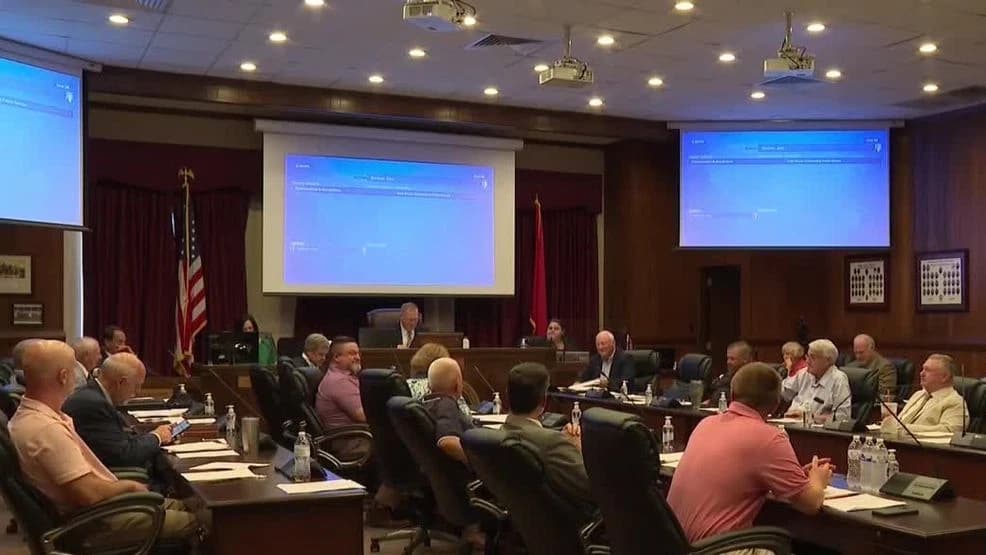
The county’s Community Power Committee held a public hearing on December 18, 2024, at 6:00 PM at the Claremont Savings Bank Community Center, Room B, in Claremont, and invited citizens and businesses in Sullivan County to attend and comment. A draft of the Sullivan County Community Power Electric Aggregation Plan was dated December 10, 2024.
The plan sits on top of New Hampshire’s legal framework for community choice power. The state’s updated Community Power law, RSA 53-E as amended by SB 286, became effective October 1, 2019, giving municipalities and counties the authority to aggregate electric customers. New Hampshire’s community power rules were approved by regulators in 2022, which helped open the door for more local programs.
What it could mean for your bill
Electricity is one of the few household costs that never stops showing up. EnergySage estimates Sullivan County residents spend about $300 a month on electricity, or about $68,800 over 25 years. FindEnergy puts the average residential electric bill at $196.92 a month and ranks Sullivan County as the 7th most expensive county in New Hampshire for electricity.
A New Hampshire Bulletin brief projected community power rates at 20% to 40% less than utility company rates, but in 2026 the Community Power Coalition of New Hampshire raised its electricity supply rate to 14.663 cents per kWh, above Eversource’s rate.
If you are weighing the Sullivan County program, the numbers to check are the posted supply rate, how long it lasts, and whether the rate is fixed or subject to change. Community power only affects the supply side of the bill, so the real value depends on how the county’s rate compares with the rate you already have and how quickly that comparison can shift.
Why local control still matters
Community power can give Sullivan County more local control over where electricity supply is sourced and how the program is presented to residents. In 2024, more New Hampshire communities were considering community power while some renewable-energy hurdles remained.
The Community Power Coalition of New Hampshire, which runs programs for member municipalities and counties, lists Sullivan County on its community page.
What to check before you enroll
Before you opt in, review the program the way you would compare any supply contract:
- Compare the county rate with Eversource’s current standard supply rate.
- Check whether the price is fixed or can change during the term.
- Look at the length of the supply term, because a short-term savings claim can disappear if the next reset is higher.
- Review whether the product includes any renewable-energy component or other supply features you care about.
- Confirm that you are choosing the program voluntarily, because opt-in means you should make an active decision rather than assume you are already enrolled.
This article was produced by Prism’s automated news system from verified source data, official records, and press releases, then run through automated quality and moderation checks before publishing. The system is built and supervised by the people who set the standards it runs under. Read our full AI policy.
Did this article answer your question?