North Summit firefighters use AI cameras to spot wildfires early
Two mountain-top AI cameras are helping North Summit firefighters spot smoke sooner as Summit County lives under Stage 1 restrictions and rising wildfire risk.

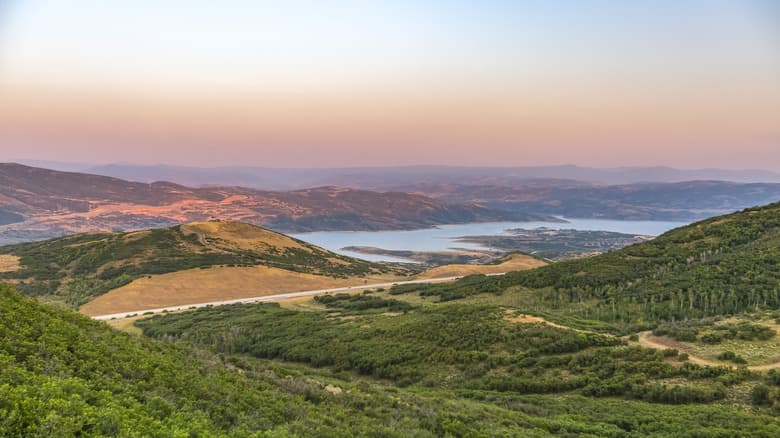
North Summit firefighters are turning to artificial intelligence as a hedge against a wildfire season that has started early and already sent crews to several brush fires. In Summit County, where steep terrain, dry grass and scattered access routes can turn a small spark into a hard-to-reach incident, the district is using two cameras on mountain peaks to scan for smoke and flames and narrow down where dispatchers should send help.
The system gives firefighters 360-degree views from the peaks and uses AI to flag suspicious smoke columns before a fire spreads. Tyler Rowser of the North Summit Fire District said he has even seen brush fires in February, something he called unusual in his 25 years on the job. The district has already responded to several brush fires this year, including an early-season fire near Wanship that burned an estimated 1.5 acres before crews fully contained it.

County fire officials are treating the technology as one more tool in a season already marked by caution. Summit County raised fire danger to Moderate on June 12, and Stage 1 Fire Restrictions took effect June 6 for all unincorporated and state lands in the county. Burn permits for unincorporated areas have been required since June 1, while burning remains closed for the season in incorporated areas.
The fire district’s message is that cameras cannot replace people on the ground. They can help identify smoke sooner and point responders toward the right ridge or drainage, but engines and crews still have to verify the threat, make the run and decide in real time whether a column of smoke is a campfire, a grass fire or something worse. That matters in a county where wind can dry out grasses fast, below-average snowpack has left fuels more vulnerable than usual and a mistake as small as a cigarette tossed from a moving vehicle can quickly become a brush fire.
The AI network also reflects a broader shift in western wildfire response, where agencies are trying to buy time in remote country before flames get established. A similar camera system has been tested elsewhere in Utah, and five cameras were operating in the state in a prior round of deployments, including one on Lewis Peak in Summit County. For North Summit, the bet is simple: if smoke can be spotted sooner, crews may be able to stop a fire before it reaches homes, trailheads and the kind of open ground that makes every minute count.
This article was produced by Prism’s automated news system from verified source data, official records, and press releases, then run through automated quality and moderation checks before publishing. The system is built and supervised by the people who set the standards it runs under. Read our full AI policy.
Did this article answer your question?