Park City moose warning, drought pushes wildlife closer to people
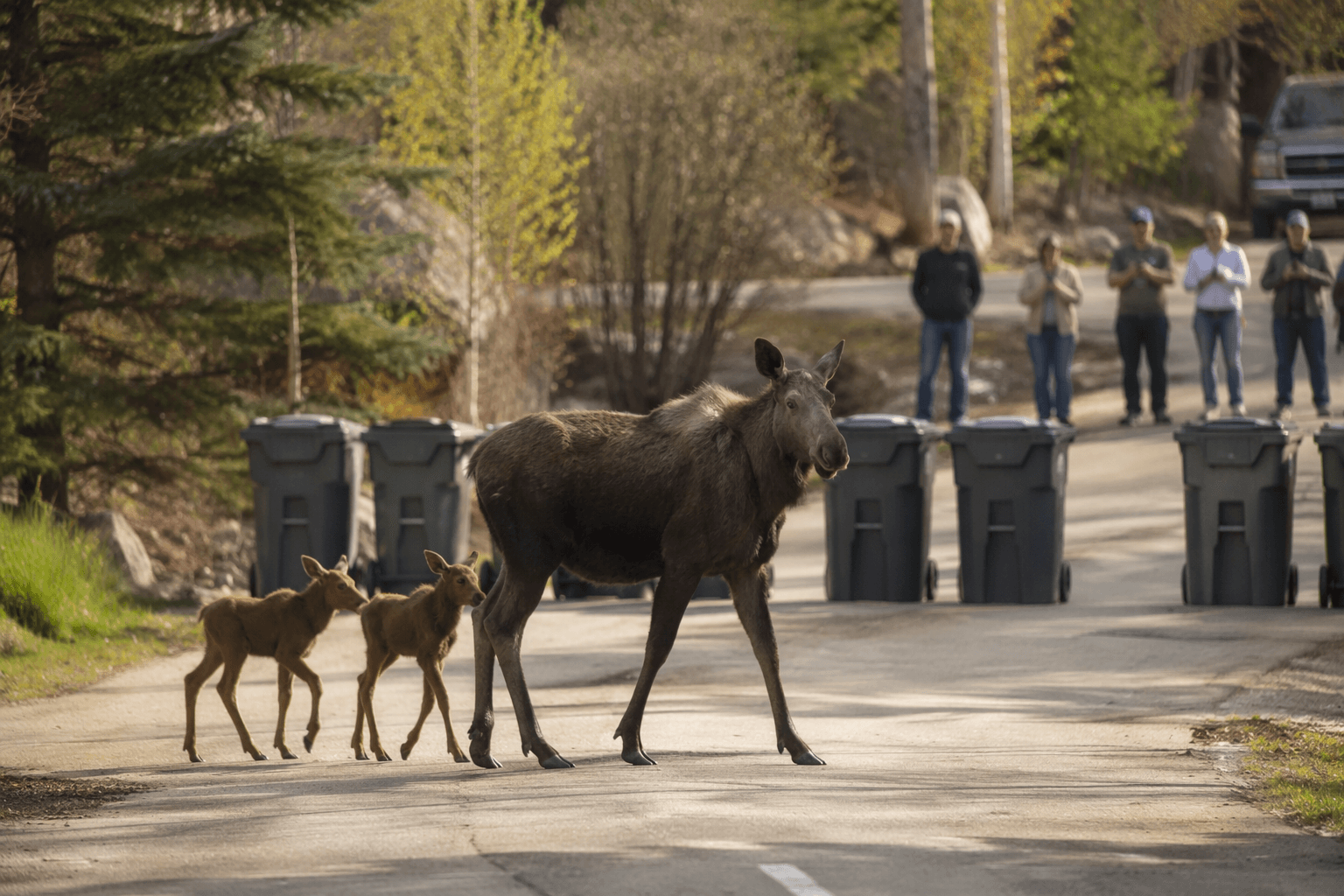
Pinebrook neighbors blocked a road with garbage cans after a cow moose crossed with newborn twins, as drought pushed more wildlife into Park City’s lower elevations.
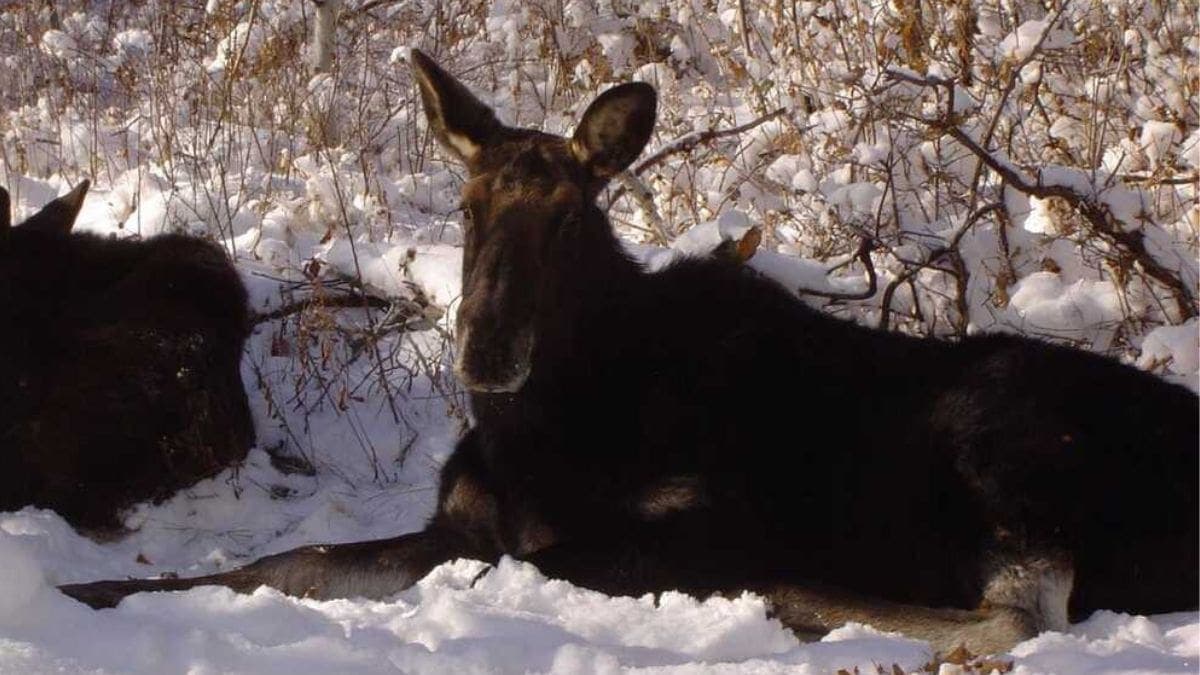
A cow moose and her newborn twin calves turned a Pinebrook street into a wildlife hazard, with neighbors blocking part of the road with garbage cans as the mother crossed back and forth with her young. The scene was a sharp reminder that in Park City, spring baby-animal season and drought can collide in the same neighborhood.
The sighting came as Utah’s dry spell deepened. State drought officials said on May 19 that 100% of Utah was in some form of drought and 59% was in extreme drought, while reservoir storage averaged 71% full, down from 82% a year earlier. Utah Division of Wildlife Resources officials have warned that drought can push wildlife into urban areas in search of food and water, raising the odds of conflicts with people.
That is especially true in late May and early June, when cow moose can be more defensive because they are protecting calves. Mike Wardle, the division’s big game coordinator, said deer and elk typically give birth between May and June, and wildlife officials say touching or approaching young animals can put them at risk and can attract predators. In moose country, that means a quick stop to stare, snap photos or let a dog pull toward the animal can turn a routine neighborhood sighting into a dangerous encounter.
Utah is home to between 2,500 and 3,000 moose, according to the division, and the animals are not rare curiosities in Summit County. They may move into lower-elevation areas during drought if they cannot find food and water in their typical habitat, which helps explain why encounters are showing up near homes, roads and trails around Park City. Wildlife officials say there are typically a few injuries to dogs and people each year from moose encounters in Utah.
Park City has seen this before. In September 2022, residents and sheriff’s deputies freed a bull moose tangled in a backyard hammock, another reminder that sightings in foothill neighborhoods are recurring rather than isolated. The message from wildlife officials is blunt: give moose space, slow down, back away and keep pets away from the animal. In a dry spring, a neighborhood moose is not just a spectacle, it is a warning sign that wildlife is under pressure and can react quickly when cornered.
This article was produced by Prism’s automated news system from verified source data, official records, and press releases, then run through automated quality and moderation checks before publishing. The system is built and supervised by the people who set the standards it runs under. Read our full AI policy.
Did this article answer your question?