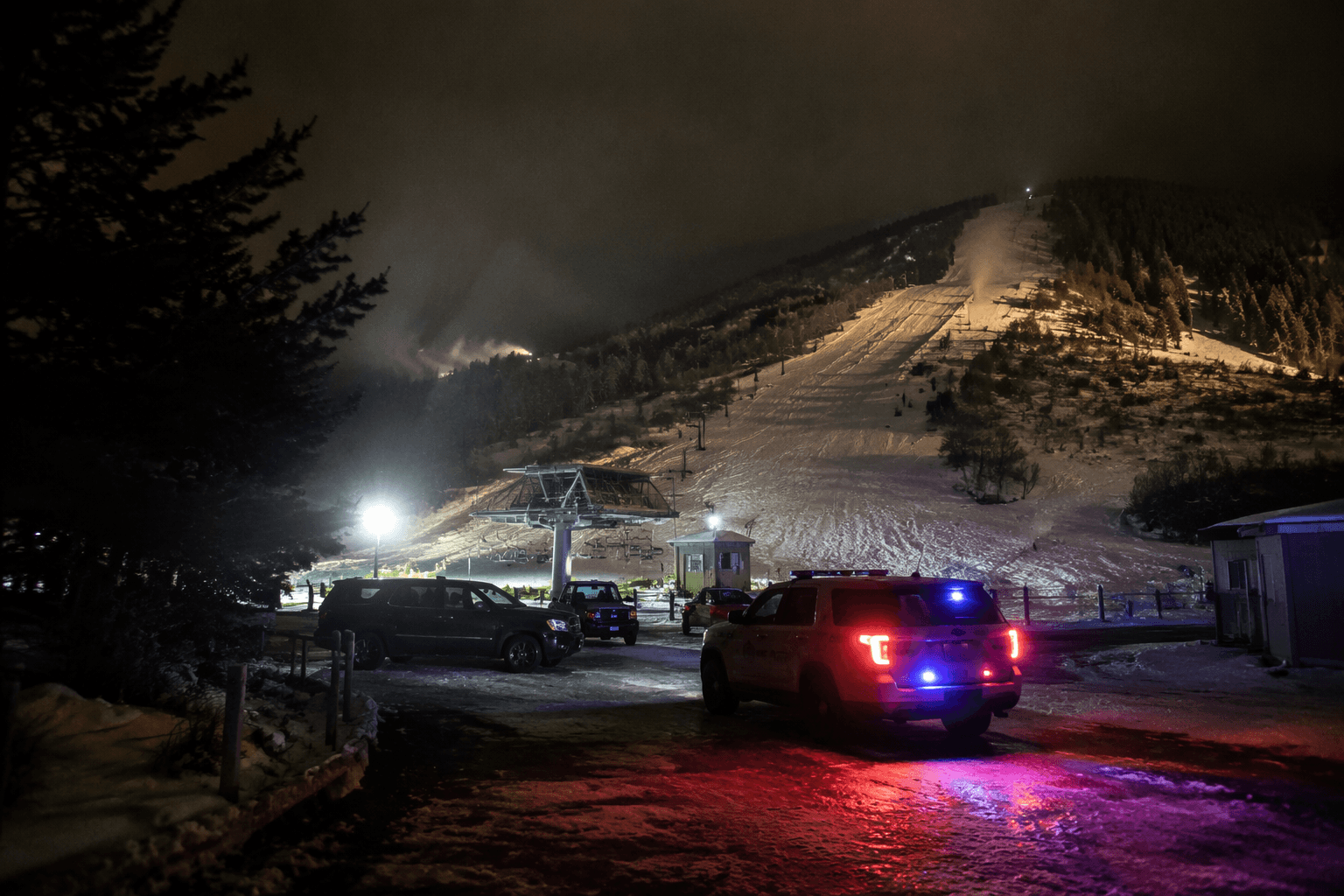
Park City’s Old City Hall tells the story of a silver town transformed
Old City Hall is Park City's clearest proof that preservation can pay. The rebuilt landmark now anchors a tourism economy built on heritage, not nostalgia.
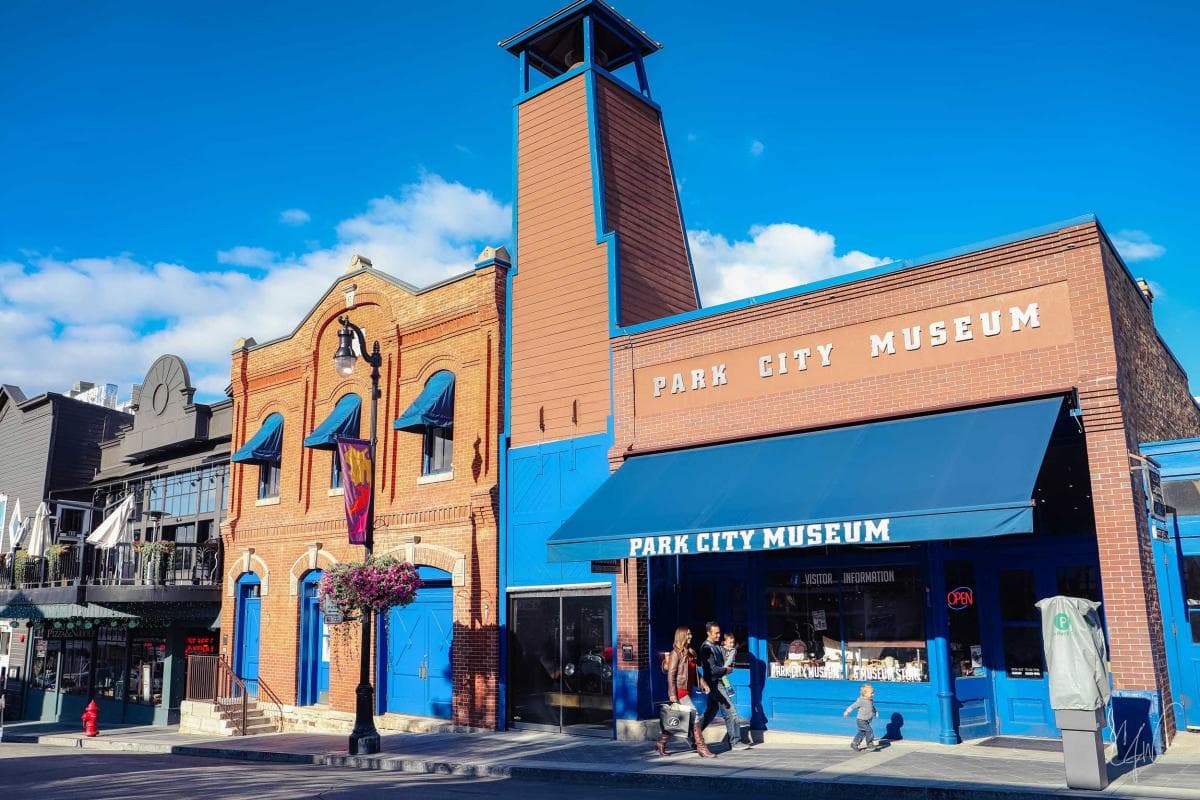
Old City Hall is Park City's best shorthand for how a silver camp turned itself into a tourism economy. The building began as a civic address in 1885, survived the Great Fire of June 1898 with its facade intact, and later became the Park City Museum on Main Street. That arc is the point: preservation here is not decoration, it is part of the town's business model.
From silver strike to city hall
Park City’s story starts with silver. Park City Museum’s permanent exhibits place the discovery in 1868, more than a decade before the town gained its charter in 1884 and built its original City Hall the next year. The timeline matters because the building was never just an old municipal structure, it was a tool for managing a booming mining camp that was trying to become an organized town.
That first City Hall sat at the center of a rapidly growing place, and the growth came with risk. The Great Fire of June 1898 destroyed most of Main Street, Swede Alley and Park Avenue, leaving Old City Hall as one of the strongest reminders of what Park City had been and what it would choose to protect. A Chinese cook spotted the flames at 4:00 a.m. on June 19, 1898, a detail that has survived in local history because it captures how quickly the town’s core could be threatened.
What survived the fire
The building that stands today is a rebuilt version that kept the original facade after the fire. That decision gave Park City something more useful than a ruin: a recognizable civic shell that could be folded into the town’s next chapter. The rebuilt structure gained a tower, and in that tower Park City installed a 1,500-pound bell meant to serve as a fire alarm.
Different local histories place the bell’s installation in 1901 or 1902, but the point is consistent. Park City turned a disaster into a visible warning system, and the bell became one of the building’s most memorable details on Main Street. It is the kind of feature that makes Old City Hall easy to read as a public building, a fire-scarred survivor and a sign that the town expected to keep rebuilding itself.
The basement carried a very different kind of memory. The underground holding area known as the Dungeon sat in the old territorial jail and was used as a lockup for rowdy or drunk miners. One local-history account says at least 11 people died there from alcohol poisoning or exposure, which gives the site a harsh edge that fits Park City’s rough mining-era past more than its polished resort image.
Why preservation became an economic strategy
Old City Hall’s second life began when Park City moved City Hall out of the building in 1983. It was restored and reopened in 1984, and the reuse shows how the town’s economy shifted from extraction to memory. Park City Museum describes that broader change as part of a larger move from hard years in the 1950s and 1960s toward recreation, a transition that lined up with national preservation momentum after the National Historic Preservation Act of 1966 and the Federal Reform Tax Act of 1976.
That national policy backdrop mattered locally. The rise of the Utah Heritage Foundation and the Utah State Historic Preservation Office gave towns like Park City more structure for protecting older buildings, while the Main Street Historic District’s listing on the National Register of Historic Places in 1979 helped define the city’s commercial core as something worth preserving. Park City Museum says the city now has more than 400 historic sites and two National Register Historic Districts, which is why Old City Hall is best understood as one asset inside a larger preservation portfolio.
The economic logic is plain on Main Street. A rebuilt civic building that once served miners and local government now draws visitors, anchors the Park City Museum and helps give the town a recognizable historic brand. In a place where silver prices fell and Park City reinvented itself as a ski resort town, heritage is no side note, it is one of the things that helps the town compete.
What to notice when you visit
Old City Hall rewards a slower look because its details connect several eras in one stop. The facade preserves the memory of the 1898 fire, the tower and bell reflect the town’s effort to protect itself, and the basement Dungeon recalls the lawless side of a mining boomtown. Together they explain why this address on Main Street still carries so much of Park City’s identity.
The building also sits inside a historic landscape that is much larger than one museum. Park City Museum says the town has more than 400 historic sites, and the Park City Main Street Historic District has been on the National Register since 1979. That means the landmark is part of a protected streetscape, not an isolated relic, and it helps explain why so much of Park City’s old core still functions as a living attraction rather than a preserved dead zone.
Park City Museum itself extends that story for anyone tracing the town’s reinvention. The museum is open every day from 10 a.m. to 5 p.m., and in 2022 it became the first and only Smithsonian Affiliate in Utah. Those facts matter because they show how a former city hall is now part of a high-value cultural institution, one that turns local history into a year-round visitor draw.
Old City Hall tells Park City’s bigger economic story better than any slogan can. The building began as a municipal answer to silver-boom urgency, survived disaster, and was then repurposed into a museum in a town that now protects and markets its past as carefully as it once mined silver.
This article was produced by Prism’s automated news system from verified source data, official records, and press releases, then run through automated quality and moderation checks before publishing. The system is built and supervised by the people who set the standards it runs under. Read our full AI policy.
Did this article answer your question?