Summit County’s summer drive, where wildflowers rekindle memories
Albion Basin is in bloom now, drawing scenic-drive traffic that boosts Summit County tourism while straining trailheads, roads and fragile alpine ground.

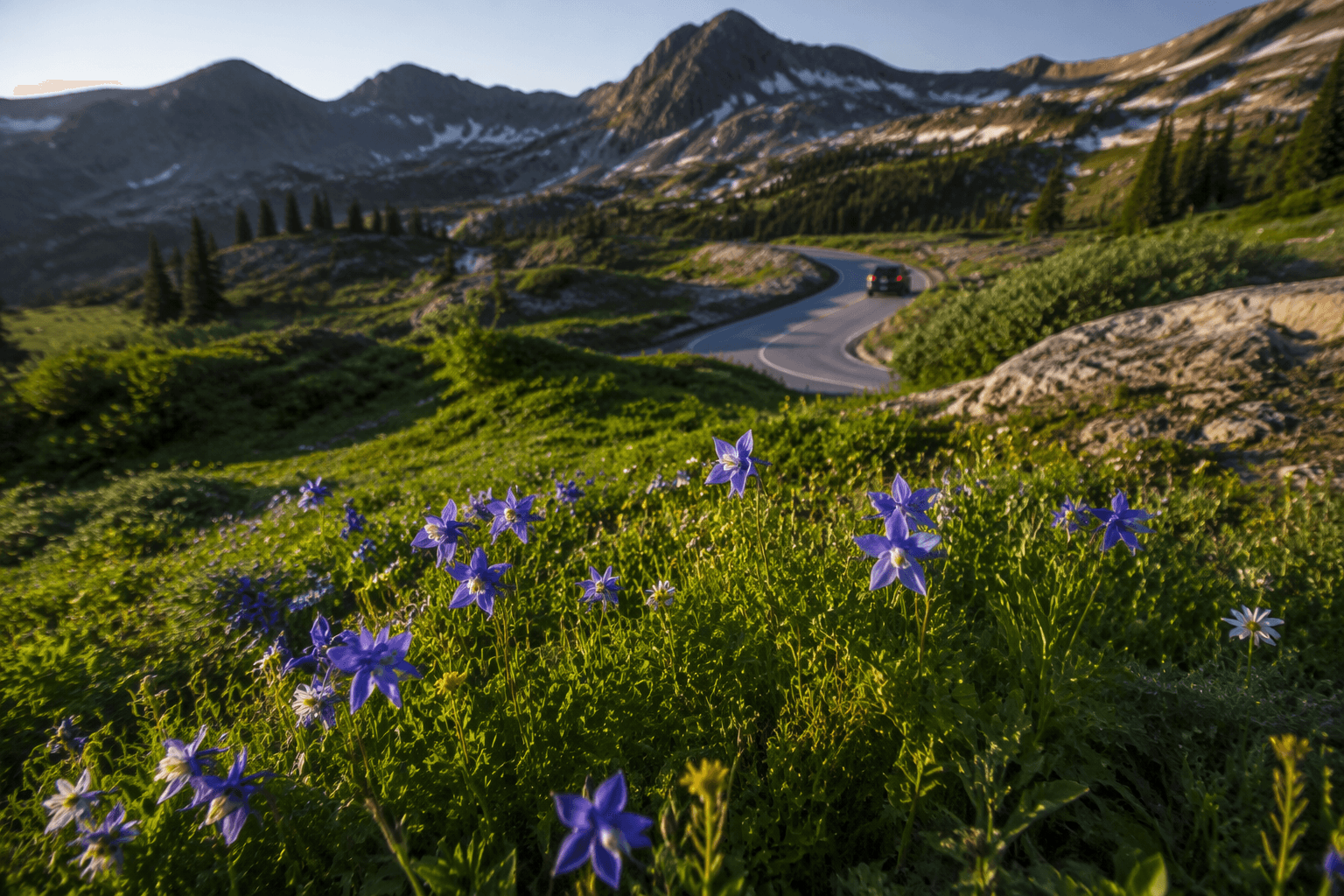
Albion Basin is where Summit County’s summer identity gets distilled into one narrow window of color, memory and traffic. The drive up Little Cottonwood Canyon pulls visitors toward Alta Ski Resort, Cecret Lake and the meadows above them, but the same bloom that makes the area feel timeless also concentrates cars, hikers and stewardship pressure in one of the county’s most visible public-land corridors.
The bloom window is short, and it carries the season
Albion Basin’s wildflowers typically hit their strongest stretch from late June through mid to late July, with some descriptions putting full bloom around the second week of July. That timing explains why late July still matters here: the high-country color can linger, but the main surge arrives fast and does not last long.
Park City Mountain notes that the Armstrong trailhead is awash with Utah wildflower color during summer, usually between June and August. That broader window shows how the bloom spreads across the Wasatch Back, with different elevations and trailheads opening and closing their own short seasons as the mountains warm.
What the trail gives you, and what it asks in return
Utah.com describes the Albion Basin hike as a 3.6-mile roundtrip route with about 800 feet of elevation change in Little Cottonwood Canyon. It is popular for good reason: the trail puts hikers in front of alpine meadows and gives a close look at the high-country landscape that defines summer above Alta.
The same route comes with clear limits. Dogs are not allowed, a rule that protects the meadow environment and keeps the trail aligned with the kind of fragile ground wildflower season depends on. That matters in a place where one muddy shortcut or widened edge can do more damage than most visitors realize.
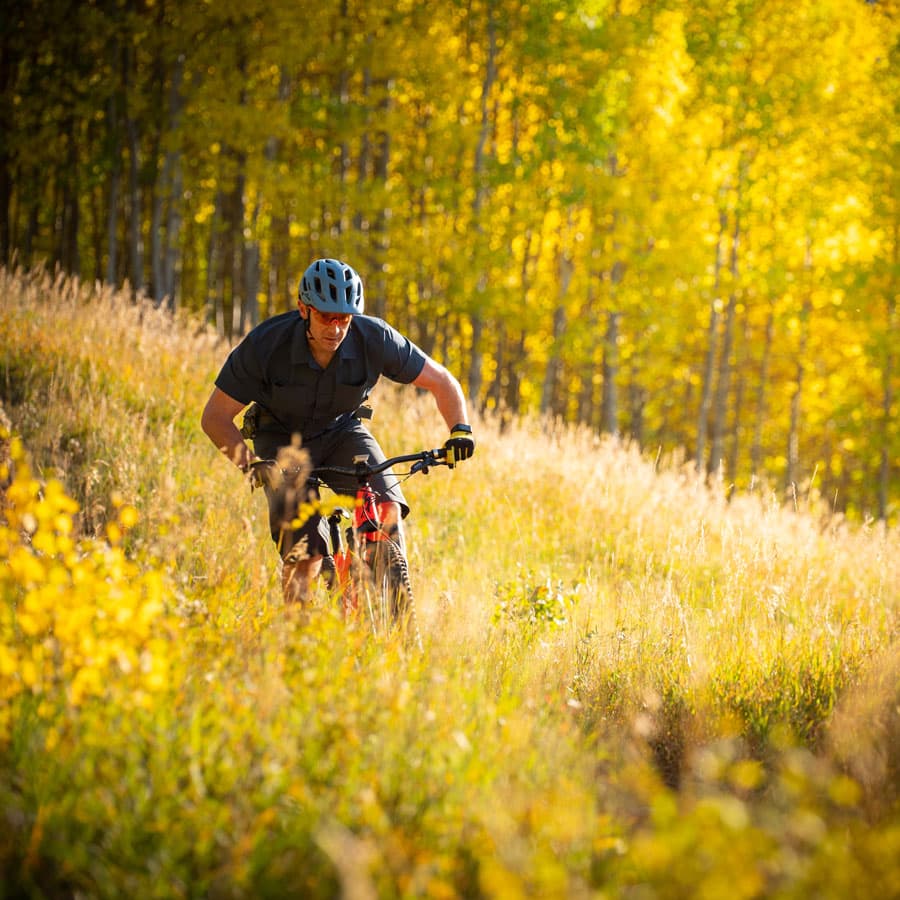
The area is also one of the easier off-road bike routes in the Wasatch Range, except for a trail section that demands more care. That mix of accessibility and constraint is part of Albion Basin’s appeal: it can feel open and welcoming, but it is still a working mountain environment where users share space and leave a footprint.
Crowds are part of the story, not a side note
Peak bloom brings people, and people bring congestion. Search results for the area point to heavy crowding when the flowers are at their best, which is why early morning visits are often the better bet for anyone hoping to see the basin without the full parking and foot-traffic squeeze.
That crowding is not just a convenience issue. It is part of the local management problem for trailheads, parking pullouts and roadside access in Little Cottonwood Canyon, where scenic drives can turn into slow-moving bottlenecks once the bloom becomes widely known. For Summit County and nearby communities that rely on summer visitation, that tension runs straight through the visitor economy.
Why Summit County cares beyond the view
This kind of wildflower drive is more than a pretty outing. It helps shape how outsiders understand Park City, Alta and the Wasatch Back, and it keeps attention on the mountain corridor that links scenery with business activity. Visit Salt Lake’s summer guidance reflects that broader appeal, framing local warm-weather trips around the dramatic shift in the mountain backdrops and the chance to view wildflowers.
That visibility has value. Visitors who come for Albion Basin also move through the rest of the region, spending time in Park City, driving the canyon roads and using public lands that require maintenance and restraint in equal measure. The bloom season supports the tourism image that helps local businesses, but it also tests the infrastructure and the land.
The U.S. Forest Service maintains a dedicated Albion Basin wildflowers page, which is a useful reminder that this is not an informal overlook or a disposable photo stop. It is a recognized public-land destination, and that designation carries expectations about access, respect and long-term care.
How to handle the drive without adding to the damage
A summer trip into Albion Basin works best when it is treated as a shared resource, not a private scenic loop. The easiest way to improve the experience is to go early, stay on marked paths and plan for limited parking and heavy traffic once bloom season is in full swing.
- Go in the early morning if possible, when crowds and parking pressure are lower.
- Stay on the trail, especially through meadow sections where wildflowers and soil are most vulnerable.
- Leave dogs at home, since they are not allowed on the Albion Basin hike.
- Use the U.S. Forest Service Albion Basin wildflowers information as the baseline for access and stewardship expectations.
- Expect the route through Little Cottonwood Canyon to feel busier when the flowers are peaking, especially near Alta and the Armstrong trailhead.
The draw of Albion Basin is that it makes a short mountain drive feel larger than itself. In Summit County, that is exactly why it matters: the wildflowers carry memory, but they also carry the practical weight of tourism, access and land care.
This article was produced by Prism’s automated news system from verified source data, official records, and press releases, then run through automated quality and moderation checks before publishing. The system is built and supervised by the people who set the standards it runs under. Read our full AI policy.
Did this article answer your question?