Summit County’s Rail Trail tells story of growth and recreation
The Rail Trail is Summit County’s commuter link, tourism draw, and historic spine. Neglecting it would weaken local spending, access, and the county’s sense of place.
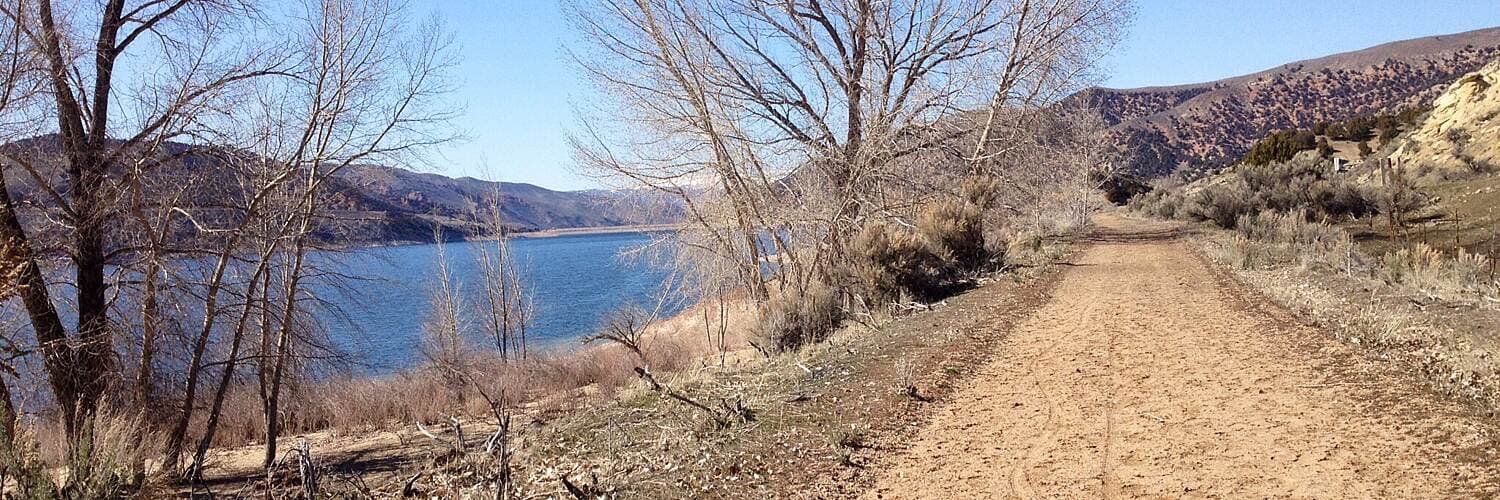
The Historic Union Pacific Rail Trail is one of Summit County’s clearest public assets because it does three jobs at once: it moves people, it pulls visitors, and it keeps the county’s railroad history visible in the landscape. The county now treats the full Rail Trail Corridor as a 24-mile arts, culture, recreation, and tourism route, while Utah State Parks describes the trail itself as a 28-mile, non-motorized path from Park City to Echo Reservoir.
A corridor that connects mountain town, ranch country, and river ground
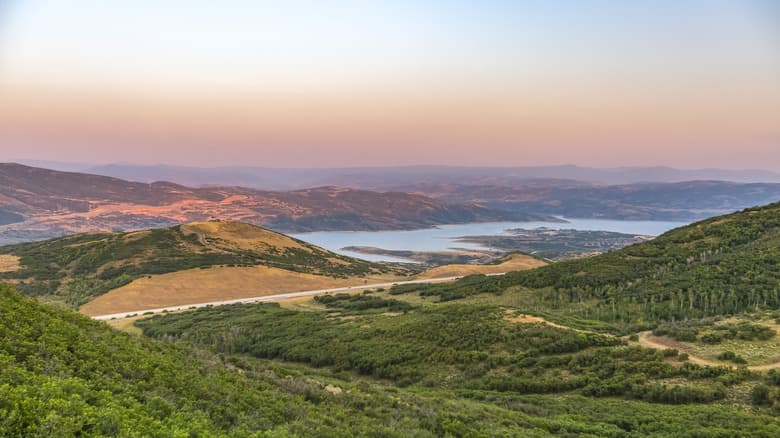
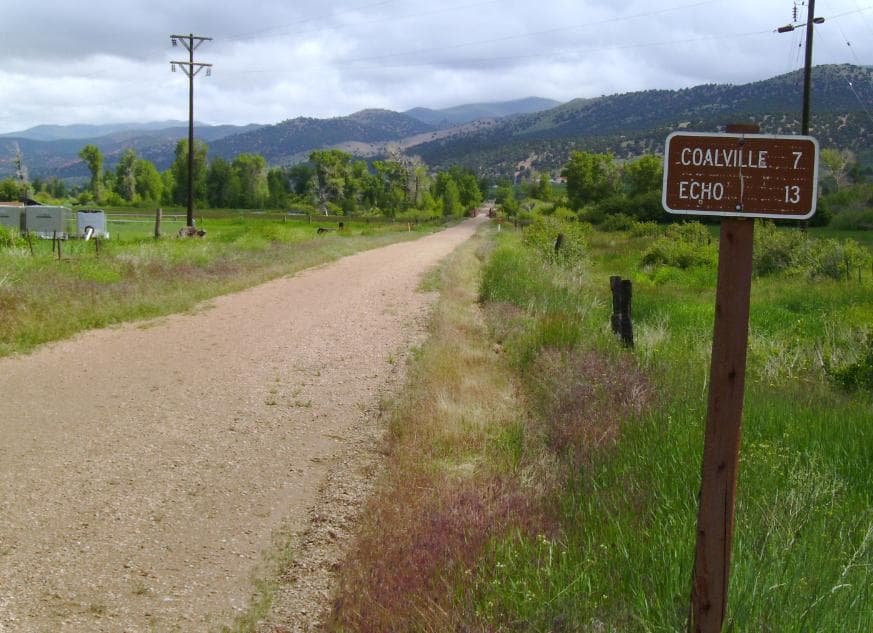
The trail’s route gives it unusual local reach. It starts near the Wasatch Mountains by Park City, runs through Silver Creek Canyon, Wanship, and Coalville, then follows the Weber River toward Echo Reservoir. That geography matters because it ties together places that often feel separate in daily life, from Snyderville Basin neighborhoods to Eastern Summit County communities farther east.
Utah State Parks says the trail sits between 6,900 and 5,280 feet in elevation, which helps explain why the same corridor can feel like a mountain ride, a valley walk, or a winter route depending on the season and the section of trail. The route also offers close views of wildlife and wildflowers, which makes it as much a landscape experience as a transportation line.
For residents, that range is part of the value. For visitors, it is part of the draw. For local businesses, it means a trail user may stop for a meal, a bike repair, coffee, or a supply run in more than one town along the way.
From coal route to public asset
The corridor’s modern value rests on an older industrial purpose. Utah State Parks says the line began as an effort to move coal from the Coalville mines to the Union Pacific line at Echo, then passed through the Coalville-Echo Railroad Company, the Summit County Railroad Company, the Echo-Park City Railway, and the Utah Eastern Railroad before Union Pacific abandoned it in 1989. The corridor was converted into a non-motorized trail and dedicated in 1992, making it the first non-motorized rail trail in Utah.

That history is why the trail still reads like a record of Summit County’s growth. Summit County’s archived materials describe the abandoned Union Pacific tracks as being transformed in the early 1990s by a local grassroots effort into a community anchor. A separate historical account says Summit, Wasatch, and Utah counties formed the Tri-County Rail Commission to try to preserve the line, with the Tri-County Railroad intended to support both tourism and industrial development.
That dual purpose still shows up in the county’s current planning. The trail is no longer just a reminder of what was built here before. It is a public corridor that carries the county’s older settlement pattern, its transportation ambitions, and its recreation economy in the same physical strip of land.
Why Summit County keeps investing in it
Summit County adopted the Rail Trail Corridor Plan in May 2023 after an 18-month community engagement and analysis process, then received the 2024 Vernon Deines Award from the American Planning Association for the plan. In its May 2024 annual review, the county said the corridor vision is to embrace the Rail Trail as a meaningful connection through Summit County in order to enhance user experience, safeguard the natural environment, promote economic vitality, and enrich community character.
That language matters because it shows how the county is measuring the trail now. The goal for June 2023 through May 2024 was to improve accessibility and functionality along the corridor, not simply preserve a scenic right of way. Summit County’s planning materials frame the route as an active civic system, one that can shape where people move, how they experience the land, and how local economies benefit from that traffic.
The county’s own survey materials reinforce that point. Residents asked for safer conditions, deeper environmental connection through design and events, and in some cases even light-rail-style transit ideas. That is a strong signal that the corridor is understood locally as more than a leisure path. It is being discussed as infrastructure, with the potential to help move people across the county in ways that relieve pressure on roads and deepen the connection between communities.
Art, identity, and the next phase of stewardship
The corridor’s next chapter is not only about trail surface and wayfinding. Summit County says public art is a key component of the Rail Trail Corridor Plan, and it completed a Historic Union Pacific Rail Trail Arts and Culture Phasing and Implementation Strategy in spring 2025. The county also allocated $13,000 in RAP tax funding for the Coalville sculpture project “Quilted Together,” a small but telling investment that places cultural identity directly on the corridor.
Councilor Canice Harte has said the county has been exploring opportunities to play a larger role in the future stewardship of the Rail Trail. That shift suggests the corridor is moving from planning concept to long-term county asset, with responsibilities that include landscape care, cultural programming, and coordination among the places it links.
The practical stakes are easy to see. If the Rail Trail is neglected or underused, Summit County loses more than a path. It loses a low-cost transportation option for people moving between neighborhoods and towns. It loses visitor spending tied to cyclists, walkers, runners, and winter trail users. It also loses a visible part of its history, from the coal-hauling line that once served Echo and Coalville to the grassroots effort that turned old tracks into public ground.
The Rail Trail still tells Summit County’s story in real time: how the county grew, how it travels, and how it chooses to value land that can serve residents, businesses, and visitors all at once.
This article was produced by Prism’s automated news system from verified source data, official records, and press releases, then run through automated quality and moderation checks before publishing. The system is built and supervised by the people who set the standards it runs under. Read our full AI policy.
Did this article answer your question?