Thunderstorms bring needed rain to Park City, Kamas amid wildfire risk
Park City and Kamas got 0.25 to 1 inch of rain, but Summit County stayed in high fire danger as Utah logged more than 300 human-caused wildfires.
Afternoon thunderstorms dropped between 0.25 and 1 inch of rain on Park City and Kamas, delivering a much-needed soaking to parts of the Wasatch Back while wildfire danger stayed elevated across Summit County.
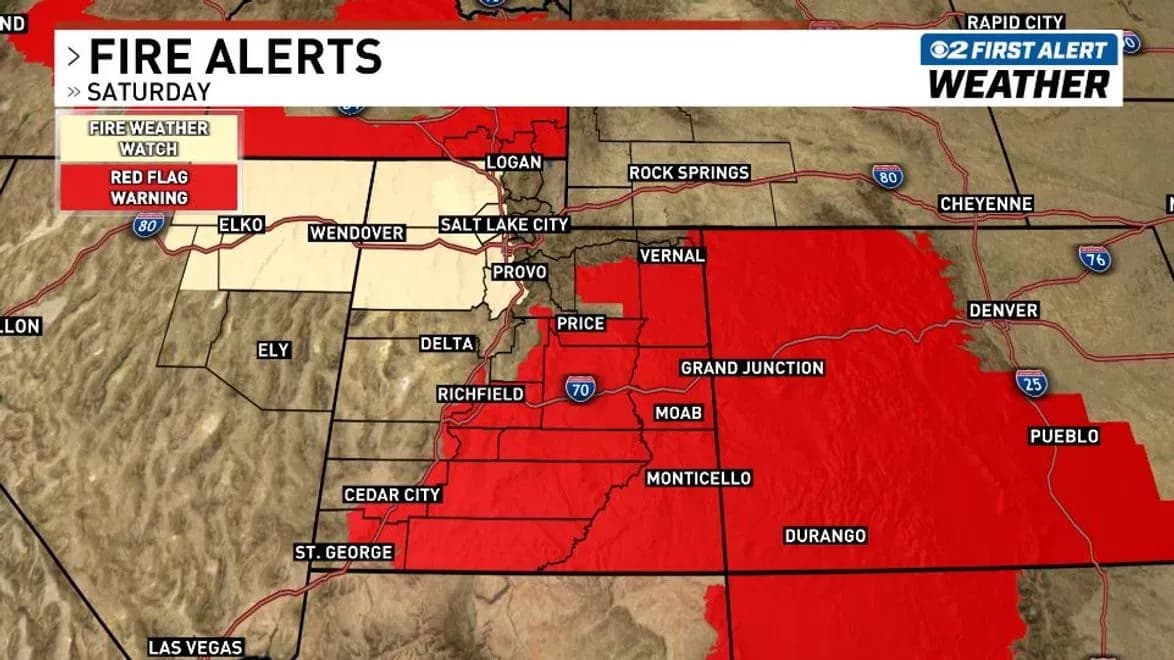
The rain offered short-term relief to dry ground and stressed vegetation, but it did not erase the broader fire-season threat. KPCW reported on July 15, 2024, that fire risk remained high across the Wasatch Back, even after the storms moved through, and later reported on August 21 that statewide wildfire danger was still high despite recent rain.
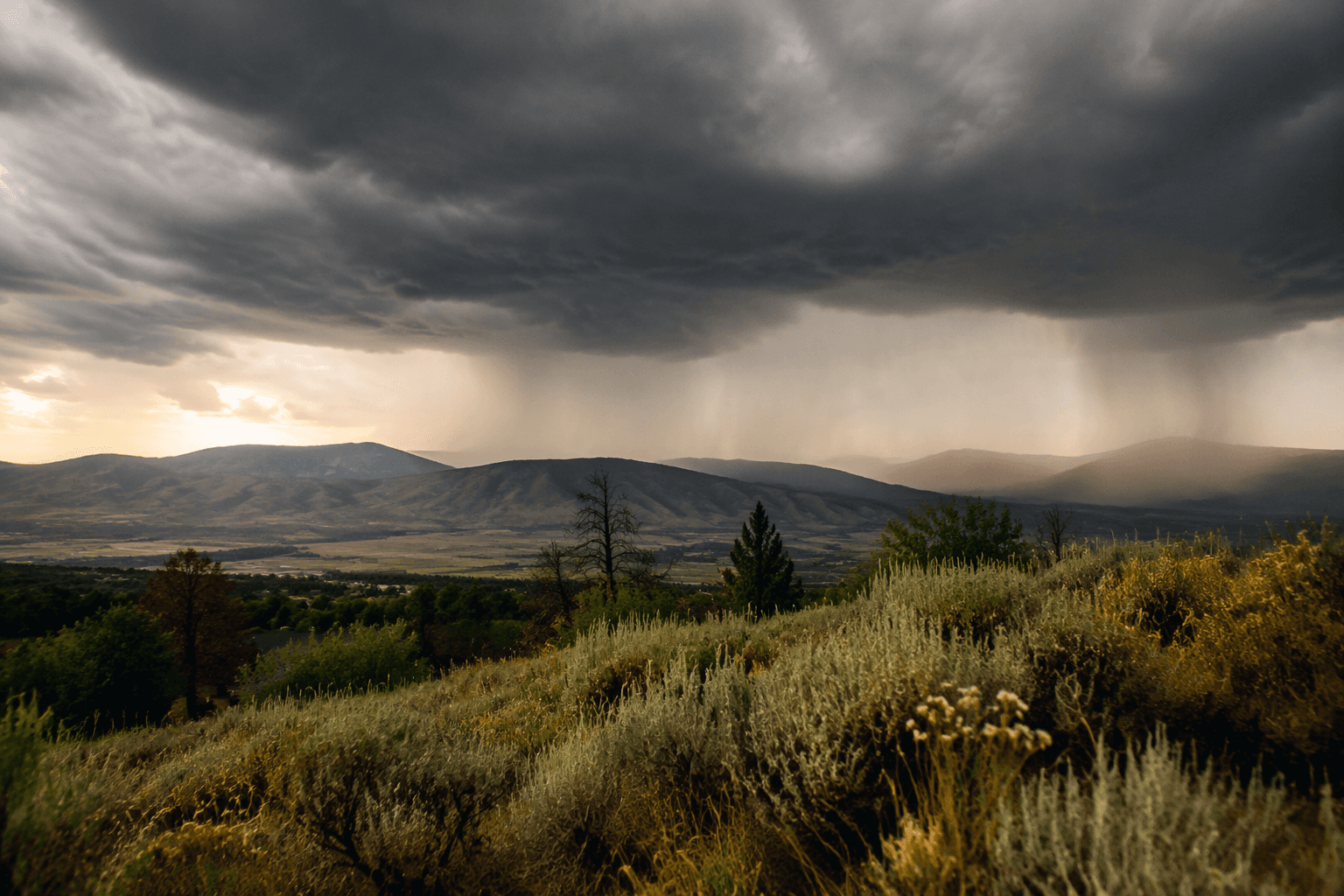
That warning fit a broader pattern across Utah. Utah Fire Info said the state had already seen more than 300 human-caused wildfires by July 5, and KPCW reported a significant rise in wildfires during the week of July 10. The storms that reached Park City and Kamas came as forecasters were watching monsoon moisture across Utah, a setup that can bring beneficial rain in one neighborhood and new fire starts in another if lightning strikes dry fuels.
For Summit County, the difference between a soaking and a setback came down to timing and intensity. A tenth of an inch can help barely surface soil and landscape plants; the upper end of the range, 1 inch, is more substantial and can briefly ease irrigation demand in yards and gardens. But a single thunderstorm round does not reset the region’s fire posture, especially when fuels remain dry and fire activity is already running well above normal.
The July storms also underscored how uneven summer moisture can be in the Wasatch Back. Park City and Kamas received measurable rain, but that does not mean every watershed, reservoir feeder, or hillside caught the same benefit. In fire season, one passing storm can be a temporary reprieve for some areas and little more than a wetting event for others, especially if hot, dry weather returns quickly.
The practical takeaway for Summit County was plain: the rain was welcome, but it was not enough to signal the end of wildfire risk. High danger remained the baseline across the Wasatch Back, and the season was still being shaped by dry fuels, human-caused ignitions, and thunderstorms that could either cool the landscape or add another spark.
This article was produced by Prism’s automated news system from verified source data, official records, and press releases, then run through automated quality and moderation checks before publishing. The system is built and supervised by the people who set the standards it runs under. Read our full AI policy.
Did this article answer your question?