Utah 2034 plan raises possibility of Park City Olympic live site
Utah 2034’s first Games Plan put a Park City Main Street live site on the table, reviving a 2002 Olympic celebration zone.
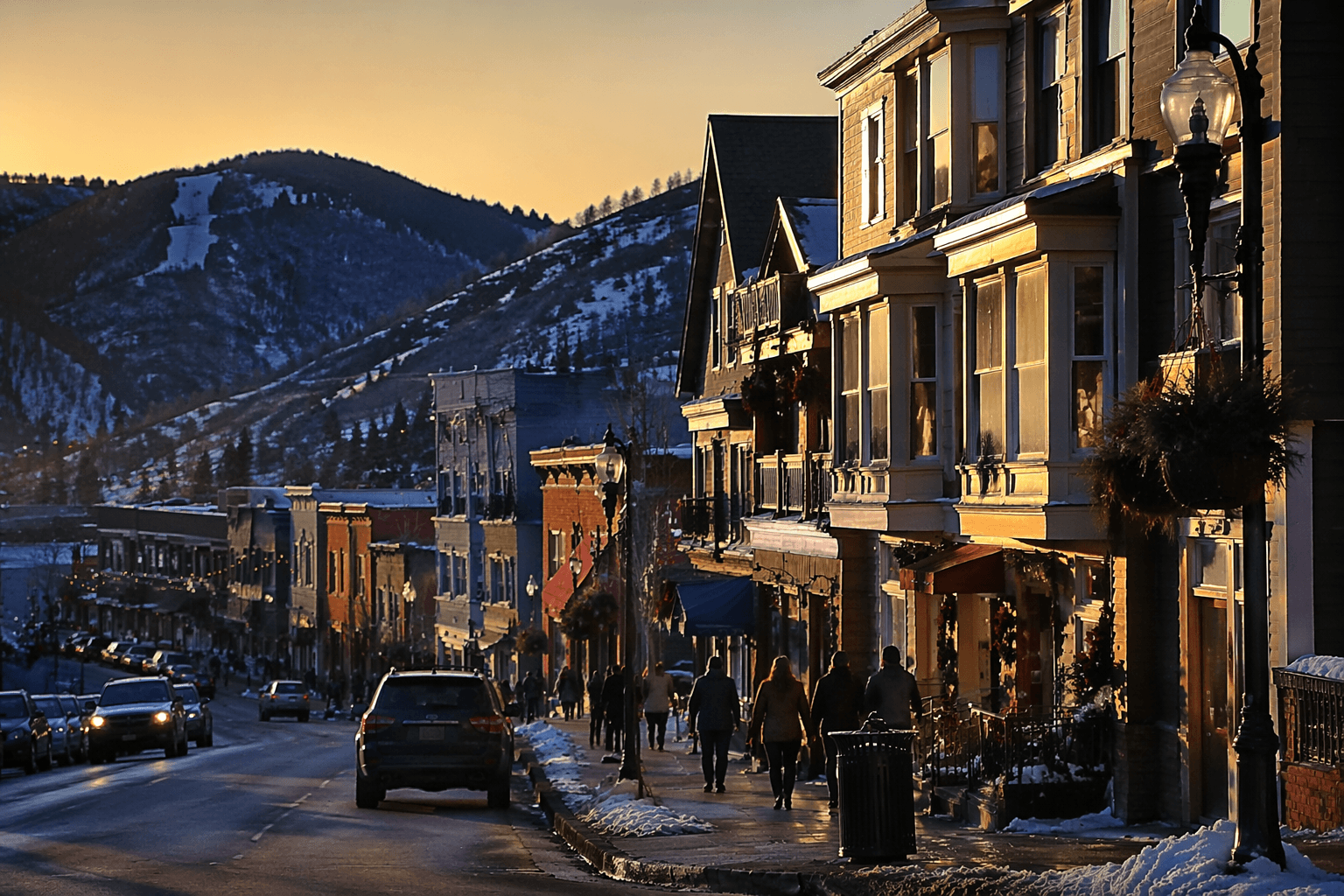
Utah 2034’s first Games Plan put live sites on the table for the 2034 Winter Games, and Park City Main Street emerged as the clearest candidate. Main Street was turned into a pedestrianized celebration zone during the 2002 Olympics, a reminder of how central downtown once was to the region’s last Winter Games.
The plan uses live sites to describe centralized public gathering places tied to the Games, with entertainment, sponsor activity and other fan-facing features. It says those spaces are meant to extend the Olympic experience beyond competition venues and to provide broad access to viewing and celebration. For Park City, that matters because Park City Mountain, Deer Valley Resort and the Utah Olympic Park are already identified as competition venues, which means downtown would sit inside the same transportation, security and celebration planning that will shape the rest of the Wasatch Back.
What the plan does not yet do is spell out how a live site would be chosen, when that decision would be made or what criteria would govern it. The document says future versions will develop a clearer framework for decision-making and define resource allocations, which leaves Park City in an early planning stage rather than a settled one. That uncertainty is not abstract for local businesses and residents: a Main Street site would likely bring more visitors, more crowd control work and more pressure on parking, traffic flow and security, while also creating a public Olympic showcase that could put downtown back in front of global visitors, sponsors and television cameras.

That tradeoff is the stakes for Summit County. If organizers choose a live site, Park City would gain a visible downtown role that echoes 2002 and gives Main Street a direct place in the 2034 story. If they do not, the community would still carry the weight of three major competition venues, but without the same public gathering space to turn those events into a broader civic moment.
This article was produced by Prism’s automated news system from verified source data, official records, and press releases, then run through automated quality and moderation checks before publishing. The system is built and supervised by the people who set the standards it runs under. Read our full AI policy.
Did this article answer your question?