Utah Olympic Park blends Olympic history, training and adventure in Park City
Utah Olympic Park is still a working asset for Summit County, drawing visitors, training athletes and shaping local planning long after 2002.
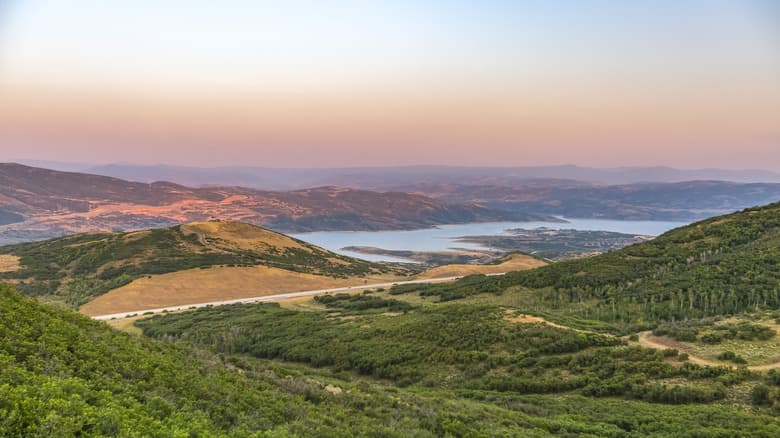
Utah Olympic Park is one of Summit County’s clearest examples of Olympic history that still produces daily value. The 389-acre site in Park City is not just a relic of the Salt Lake 2002 Winter Olympic Games; it is a museum complex, a training campus, and an adventure destination wrapped into one operating venue. That combination keeps it relevant to visitors, elite athletes, and county leaders who are still deciding how it should grow next.
A venue built to keep working
The park was built for the Salt Lake 2002 Winter Olympic Games and sits about 25 miles east of Salt Lake City, cradled by the Wasatch Mountains. During those Games, the venue hosted 14 events and welcomed more than 300,000 visitors over 16 days, a scale that helps explain why the site still carries weight in Park City and across Summit County. Its Olympic footprint included ski jumping, nordic combined, bobsled, luge, and skeleton, and the venue still holds one of only four sliding tracks in North America, along with six Nordic ski jumps and an official USOPC Training Site designation.
That is why Utah Olympic Park works as more than a memory piece. It is part of a living Olympic infrastructure that still supports training, competition, and tourism in the same place. For residents, that means the park is not simply a backdrop to 2002 nostalgia; it is a permanent feature of the county’s visitor economy and a visible symbol of how local land use, sport, and branding now overlap.
The museum side tells a broader story
Inside the Joe Quinney Winter Sports Center, the park gives visitors a second layer beyond the outdoor action. The building is home to the Alf Engen Ski Museum and the Eccles Salt Lake 2002 Olympic Winter Games Museum, and the exhibit mix goes well beyond display cases. Interactive touch screens, videos, a virtual reality ski theater, games, topographical maps, and galleries of artifacts and visual highlights turn the space into a place where the region’s ski culture and Olympic identity are interpreted side by side.
The history matters here. The Joe Quinney Winter Sports Center and the Alf Engen Ski Museum were completed in fall 2001 and served as the media center during the 2002 Games, which shows the site was designed from the start to have a life beyond competition. That original planning still shows in how the park works today: it is a place where school groups, tourists, and locals can move from the story of Utah skiing to the games that helped redefine Park City’s place in the state.
What people come to do
The park’s operating appeal is not limited to exhibits. Visitors can take guided tours, watch or book summer freestyle experiences, and ride the bobsled track, which hosted bobsled, skeleton, and luge during the Olympics and has since staged numerous World Cup and World Championship sliding events. The venue’s public-facing side is what keeps it from becoming a static monument.

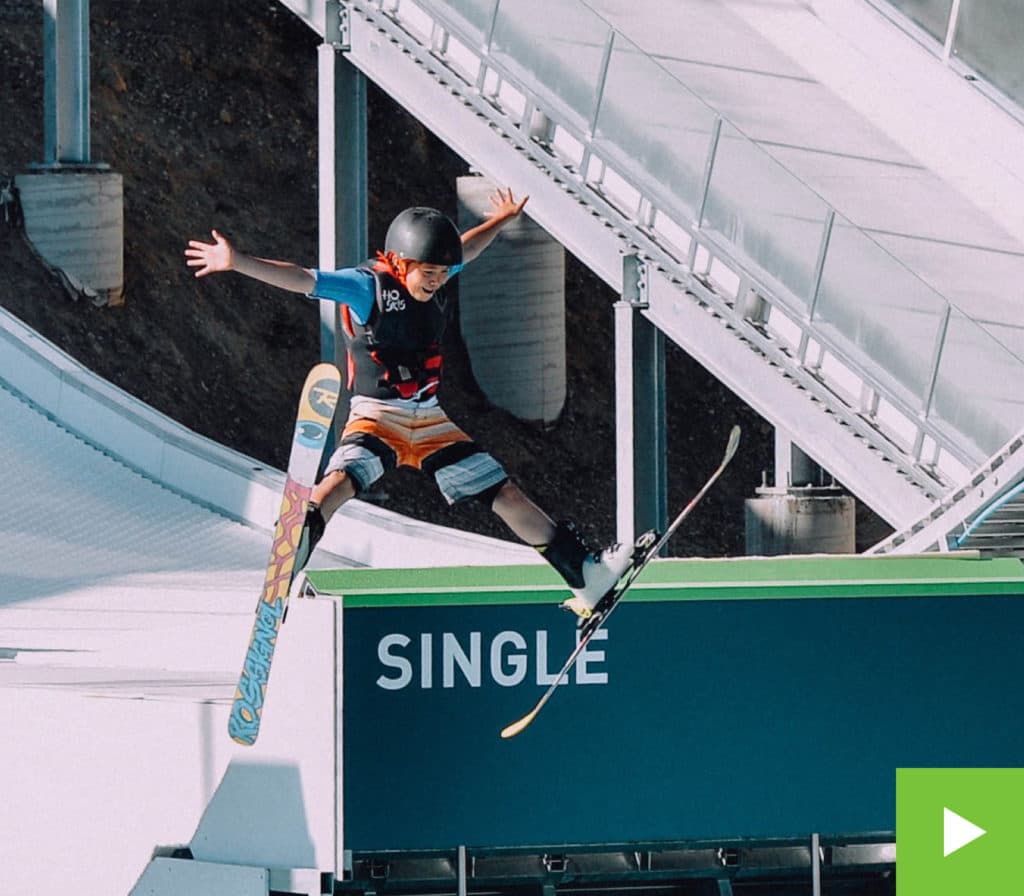
The freestyle shows are among the most vivid parts of the park’s draw. Olympians and National Team skiers and snowboarders perform choreographed aerials and land in the Spence Eccles Olympic Freestyle Pool, often soaring up to 60 feet. For a local audience, that matters because the park’s strongest attraction is not just that it remembers Olympic sport, but that it still stages athletic spectacle in real time. The result is a venue that can serve school buses in the morning, tourists in the afternoon, and elite training on the same grounds.
Why Summit County still has skin in the game
Utah Olympic Park sits inside a broader legacy system run by the Utah Olympic Legacy Foundation, the nonprofit responsible for keeping the state’s Olympic facilities at world-class levels. The foundation also manages the Utah Olympic Oval, Soldier Hollow Nordic Center, and Park City Ski and Snowboard, which places the park inside a network rather than a standalone attraction. A 2024 Kem C. Gardner Policy Institute release described those Olympic venues as both official training centers and community recreation and event centers, underscoring how the state now uses them as public assets with year-round utility.
That distinction matters for Summit County because the park’s value is tied to repeat use, not one-time ceremony. Every museum visit, guided tour, freestyle show, and track experience helps keep the venue active in Park City’s tourism mix. The park’s profile also strengthens the county’s civic brand, giving residents a place that connects local geography, winter sport, and international competition in a single setting.

What comes next for the park
Utah Olympic Park is also part of the state’s future Olympic planning. International Olympic Committee materials for Utah 2034 say the aim is to extend the benefits of Salt Lake City 2002 to a new generation, and that 10 of 13 competition sites would be reused from 2002. The same materials say all venues would be within an hour of the Olympic Village, placing legacy venues like Utah Olympic Park back near the center of another Winter Games conversation.
That future is not abstract in Summit County. The Youth Sports Alliance, established in 2002, was created to increase winter-sport participation among children in Summit and Wasatch counties, showing how the Olympic legacy has been built into local youth programming as well as elite sport. At the same time, Summit County approved an amended development agreement for Utah Olympic Park in April 2026 after months of public debate, with open-house discussions centered on housing, traffic, transparency, and sustainability. That makes the park more than a destination: it is a continuing land-use and governance issue that touches how Park City grows, how visitors move, and how the county balances development with public trust.
Utah Olympic Park endures because it does several jobs at once. It preserves the memory of 2002, trains athletes, entertains visitors, and keeps Summit County in the conversation about what an Olympic venue can be when the Games are over.
This article was produced by Prism’s automated news system from verified source data, official records, and press releases, then run through automated quality and moderation checks before publishing. The system is built and supervised by the people who set the standards it runs under. Read our full AI policy.
Did this article answer your question?