Wildfire smoke drifts into Summit County, worsening air quality
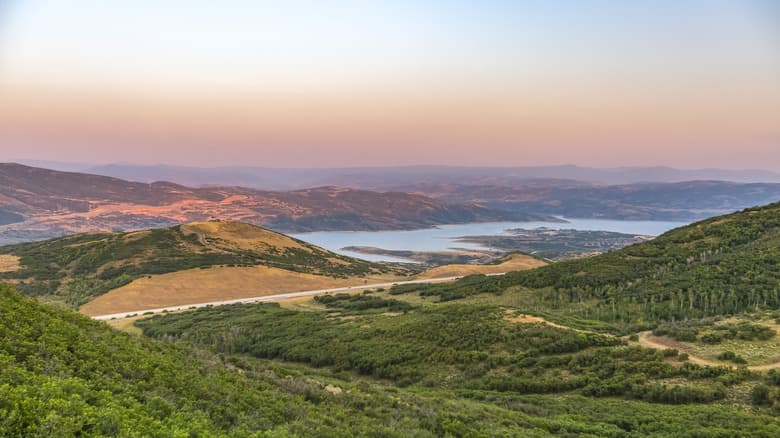
Smoke from fires in Utah, Arizona and Nevada pushed into the Wasatch Back on Saturday, as Summit County stayed under Stage 1 fire restrictions and high fire danger.
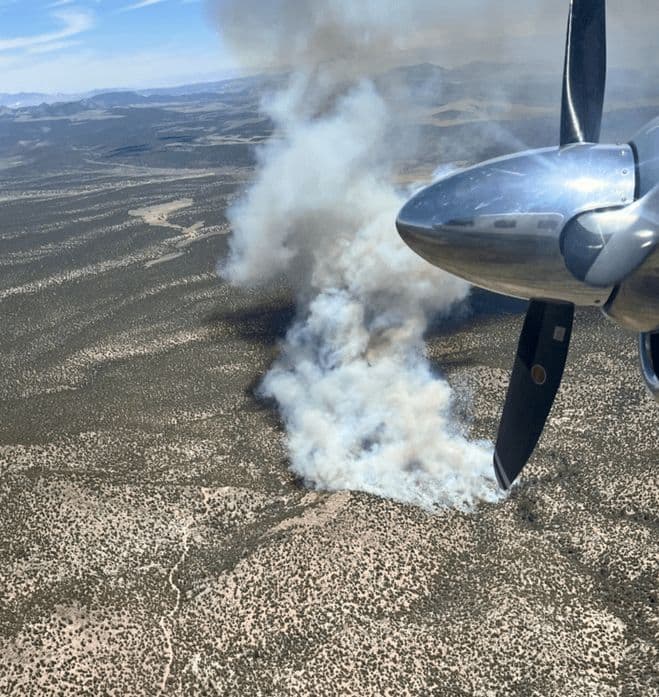
Smoke from wildfires in northern Utah, Arizona and Nevada drifted into the Wasatch Back, dimming air over Park City and surrounding communities as Summit and Wasatch counties were listed at high fire danger. The timing was especially rough for outdoor workers, youth sports, tourism businesses and residents with asthma or other health risks, because hot, dry solstice weather was settling in on top of an already dangerous fire season.
The haze was coming from two wildfires in Utah on the other side of the Wasatch ridge, along with fires in Arizona and Nevada. One of the biggest was the Iron Fire, which was reported around midnight north of Eureka and was estimated at more than 1,000 acres by Saturday morning. State air-quality officials say smoke can travel long distances and then get trapped far from the fire by weather patterns, leaving communities like Summit County dealing with poor air even when the flames are elsewhere.

Summit County was already operating under Stage 1 Fire Restrictions for all unincorporated and state lands, effective June 6, 2026. County officials also said fire danger increased to Moderate on June 12, and burn permits for unincorporated areas have been required since June 1, while burning remains closed in incorporated areas for the season. The warnings fit a broader pattern across Utah, where record warmth, low snowpack and dry fuels have raised wildfire risk early in the summer.

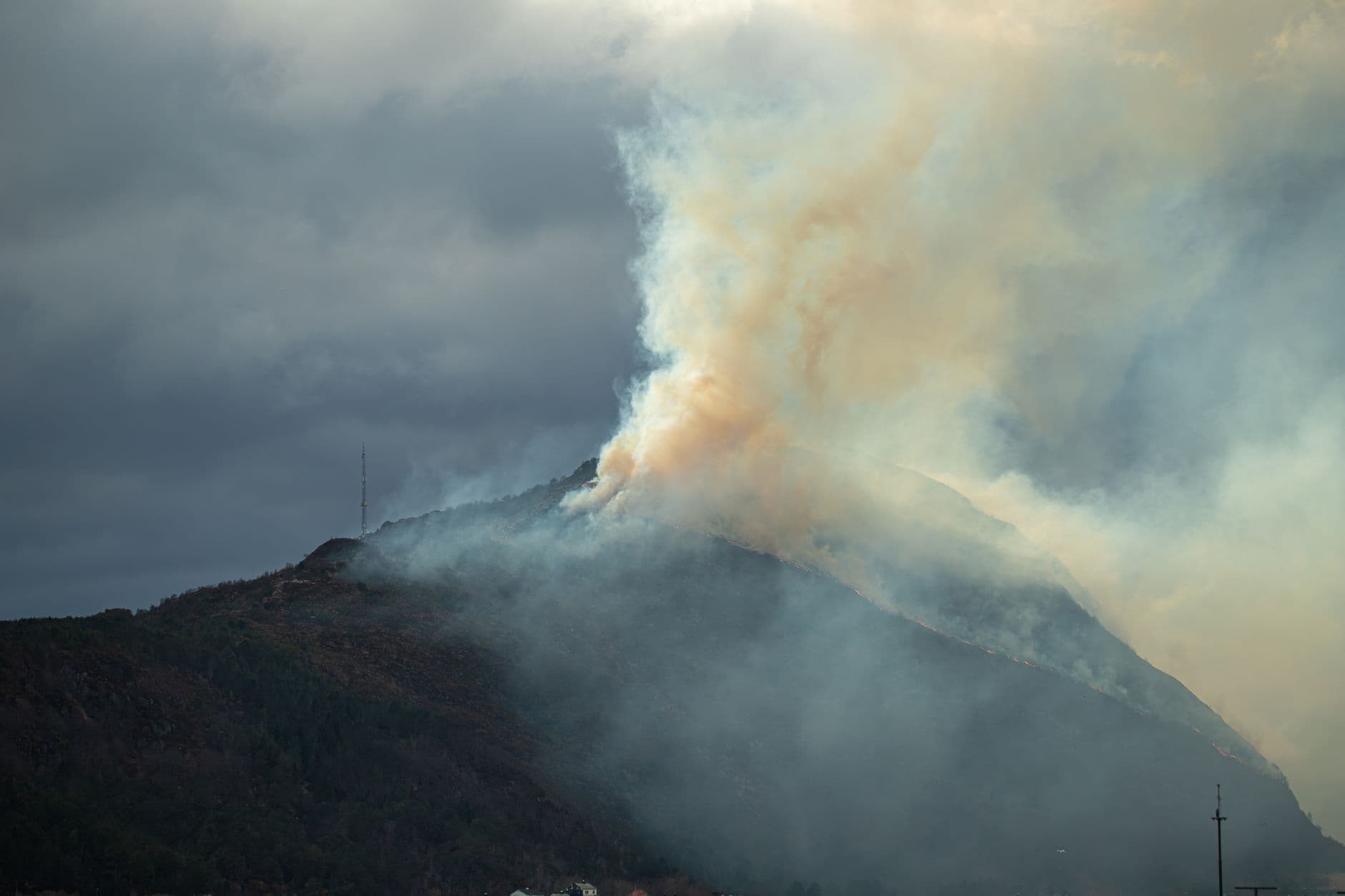
Health officials say children, older adults and pregnant people are especially vulnerable to wildfire smoke, along with people who have asthma, COPD, heart disease, diabetes or other chronic conditions. The Utah Department of Environmental Quality says smoke can affect indoor air as well as outdoor air, so residents were urged to follow AirNow’s Fire and Smoke Map for PM2.5 readings, limit outdoor exertion when the haze thickens, keep windows closed and use filtered HVAC systems or portable air cleaners when possible. For Park City and the rest of the Wasatch Back, the shift means paying close attention to air-quality reports before practices, work shifts and recreation plans.
This article was produced by Prism’s automated news system from verified source data, official records, and press releases, then run through automated quality and moderation checks before publishing. The system is built and supervised by the people who set the standards it runs under. Read our full AI policy.
Did this article answer your question?