Guymon water updates page tracks Mesa Well Project and drinking-water reports
Guymon’s water page is now the city’s clearest window into Mesa Well Project planning, but major questions remain on cost, timing and how soon new supply will reach taps.
Guymon’s water page is now the public’s main checkpoint
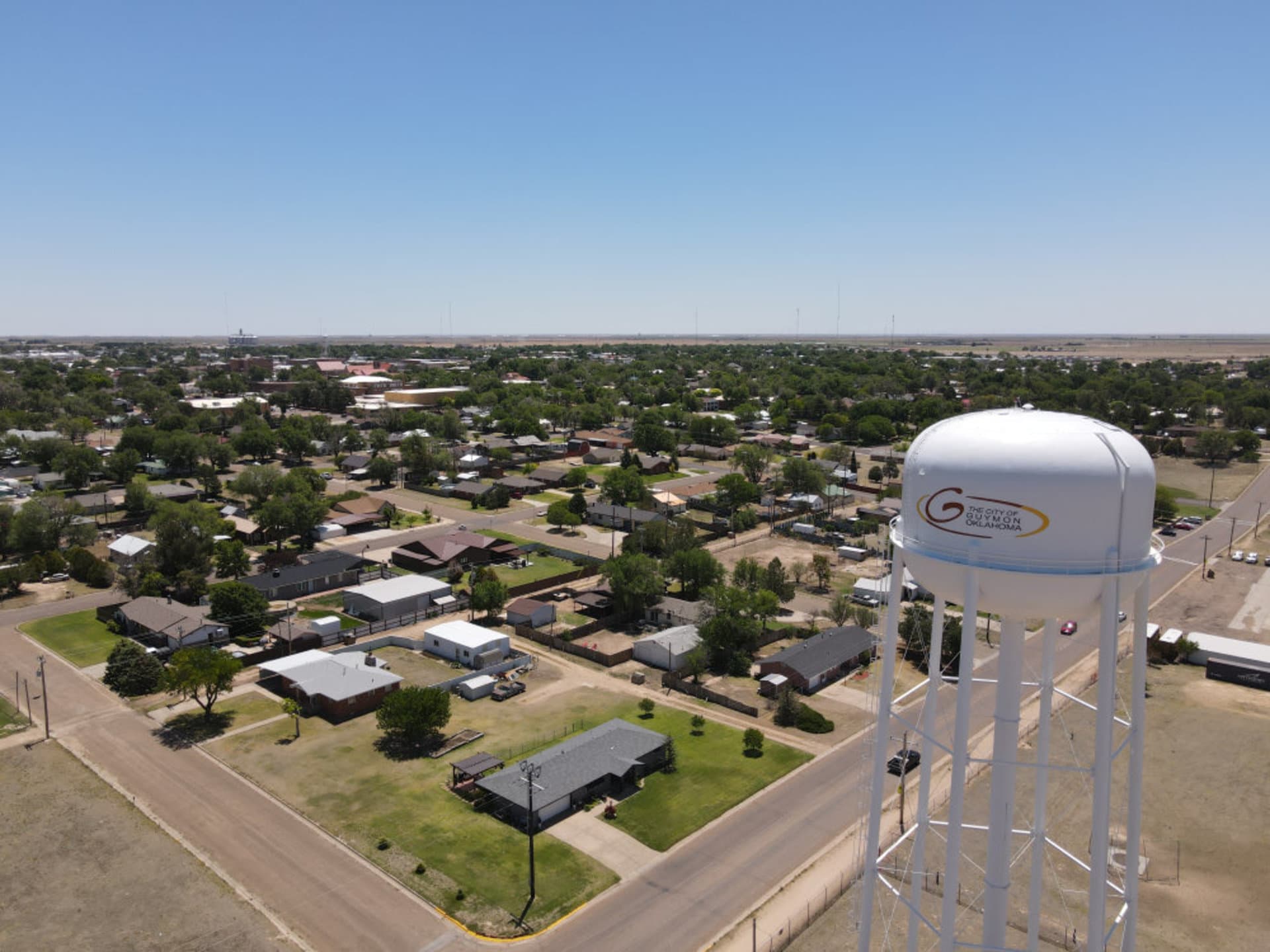
Guymon still does not have a finished answer for long-term drinking-water security, and that is the point residents keep returning to. The city’s water updates page has become the clearest public guide to a problem that reaches far beyond utility operations, touching household reliability, business confidence, fire protection, school planning and the city’s room to grow.
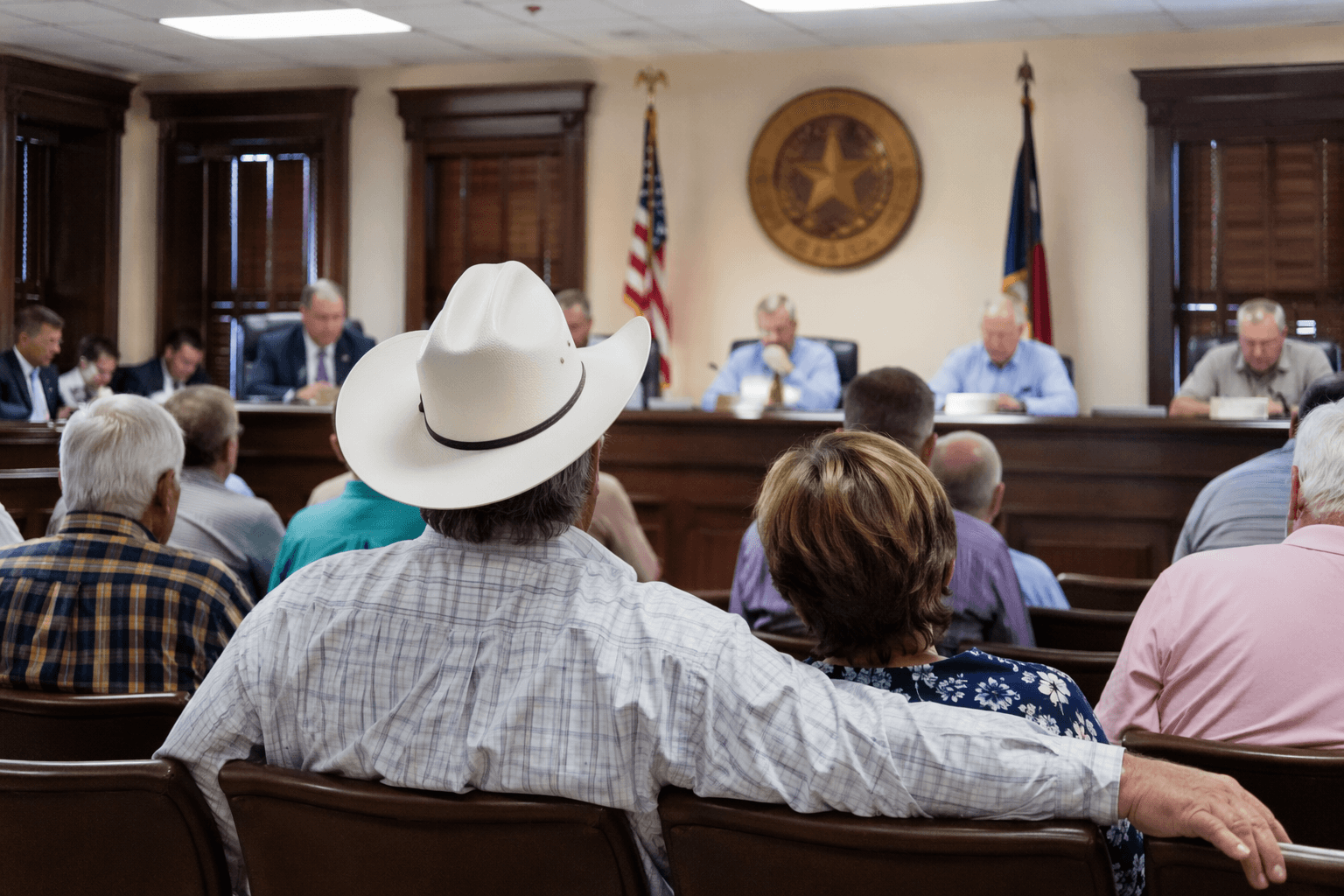
The page points residents to a Carollo Engineers slideshow presented at the December 10, 2024 council meeting by Amber Wooten and John Rehring. It also steers people to the city’s drinking-water documents page, where the 2024 Consumer Confidence Report appears alongside the December 10 council presentation materials tied to the Mesa Well Project. For anyone trying to understand what the city is doing, what is still unsettled and when relief might arrive, that document trail matters.
Why the Mesa project sits at the center of the city’s planning
Guymon’s water stress is tied to the decline of the Ogallala Aquifer, the underground source that has long supported the Oklahoma Panhandle. The aquifer is the largest underground water reservoir in the United States and stretches across eight states, but in places like Texas County it is being drawn down faster than it recharges. That is why the city’s water planning is no longer just an engineering issue. It is a basic test of whether Guymon can keep up with daily demand.
A 2023 report described the city manager, Mike Shannon, overseeing a network of 17 groundwater wells operating near capacity. That detail helps explain why the Mesa Water Project has moved from concept to necessity. If the existing wells are already stretched, the city’s margin for error is thin, and any outage quickly becomes a public concern rather than a routine utility matter.
What residents can track right now
The city’s water pages do more than post technical files. They give residents a way to follow how Guymon is talking about supply, safety and compliance in plain public view. The Consumer Confidence Report is especially important because it is the document people use to see where drinking water comes from, what it contains and how it measures against state and federal standards.
Guymon’s 2025 Consumer Confidence Report says it is a snapshot of the quality of water provided in the prior year and compares results with Environmental Protection Agency and state standards. The city’s 2024 report, covering calendar year 2023, gives residents a similar baseline for understanding the system they rely on every day. For a town with real supply pressure, those reports are not paperwork. They are part of the accountability structure.
Why the Mesa Well Project became urgent
The project gained new momentum in July 2024, when Guymon received more than $17 million in U.S. Department of Energy grant support tied to water infrastructure. That funding gave the project a clearer path, but it did not erase the city’s larger challenge: getting more water into the system quickly enough to matter.
One report captured the stakes in concrete terms. When Well 21 failed, the city lost 827 gallons per minute for two weeks and daily use climbed to 95% capacity. In a system already under strain, that kind of outage shows how little slack remains. The same reporting said the Mesa system is expected to add 3 to 5 million gallons a day, a scale of supply that would materially change Guymon’s near-term outlook.
What the project is expected to include
The project descriptions now circulating around city meetings point to a broad infrastructure buildout rather than a single fix. The Mesa plan includes a new well field east and southeast of Guymon, collector pipelines, added transmission capacity, deeper aquifers, automated monitoring, high-efficiency pumps and a 17-mile transmission line.
That mix tells residents something important: the city is not just drilling one more well and hoping for the best. It is building a system intended to capture, move, monitor and deliver water more reliably over distance. In practical terms, that means the project is being designed to strengthen the whole chain from source to tap, not just the source alone.
The timeline still matters as much as the technology
Even with grant money and a more detailed engineering plan, the key public question remains timing. A later update reported that Guymon Utilities approved a budget amendment tied to an Oklahoma Water Resources Board loan, approved a change order on a school waterline relocation and heard a project timeline estimating water delivery in October 2026.
That date is the kind of detail residents and businesses need because it turns an abstract infrastructure plan into a calendar. October 2026 is still a moving target, not a finished solution, and the city’s public discussion makes clear that the work remains active rather than complete. The same reporting said the engineering team updated city officials at a public meeting, reinforcing that the Mesa project is still being adjusted as financing, routing and construction details come together.
What the city still owes the public
The biggest unanswered questions are not about whether Guymon needs new water capacity. The city’s own public record already makes that clear. The questions now are about cost, delivery and durability. Residents need to know how the loan structure affects city finances, what the final infrastructure bill will look like, and how much of the new system will actually be online by the stated timeline.
They also need a plain explanation of how each update changes daily life. If the project adds 3 to 5 million gallons a day, that should eventually mean less pressure on the existing wells, better resilience during outages and more confidence for commercial users, schools and fire protection. But until that capacity is physically in service, Guymon remains in a holding pattern where every well failure, maintenance issue or financing step still matters.
What to watch on the city pages
For now, the most useful habit for anyone following Texas County’s water future is to keep an eye on the city’s water updates page and drinking-water documents page. Together they show the engineering presentation, the consumer confidence reports and the project materials that explain how Guymon is trying to move from stress toward stability.
That is the real story behind the Mesa Well Project: not simply that the city wants more water, but that it is trying to build a system strong enough to keep water security from becoming a recurring emergency.
This article was produced by Prism’s automated news system from verified source data, official records, and press releases, then run through automated quality and moderation checks before publishing. The system is built and supervised by the people who set the standards it runs under. Read our full AI policy.
Know something we missed? Have a correction or additional information?
Submit a Tip