Texas County meetings page explains agendas, transparency and local services
Texas County's meetings calendar shows when county decisions happen, giving you a direct line to agendas, tax boards and service oversight.
What the meetings page gives you
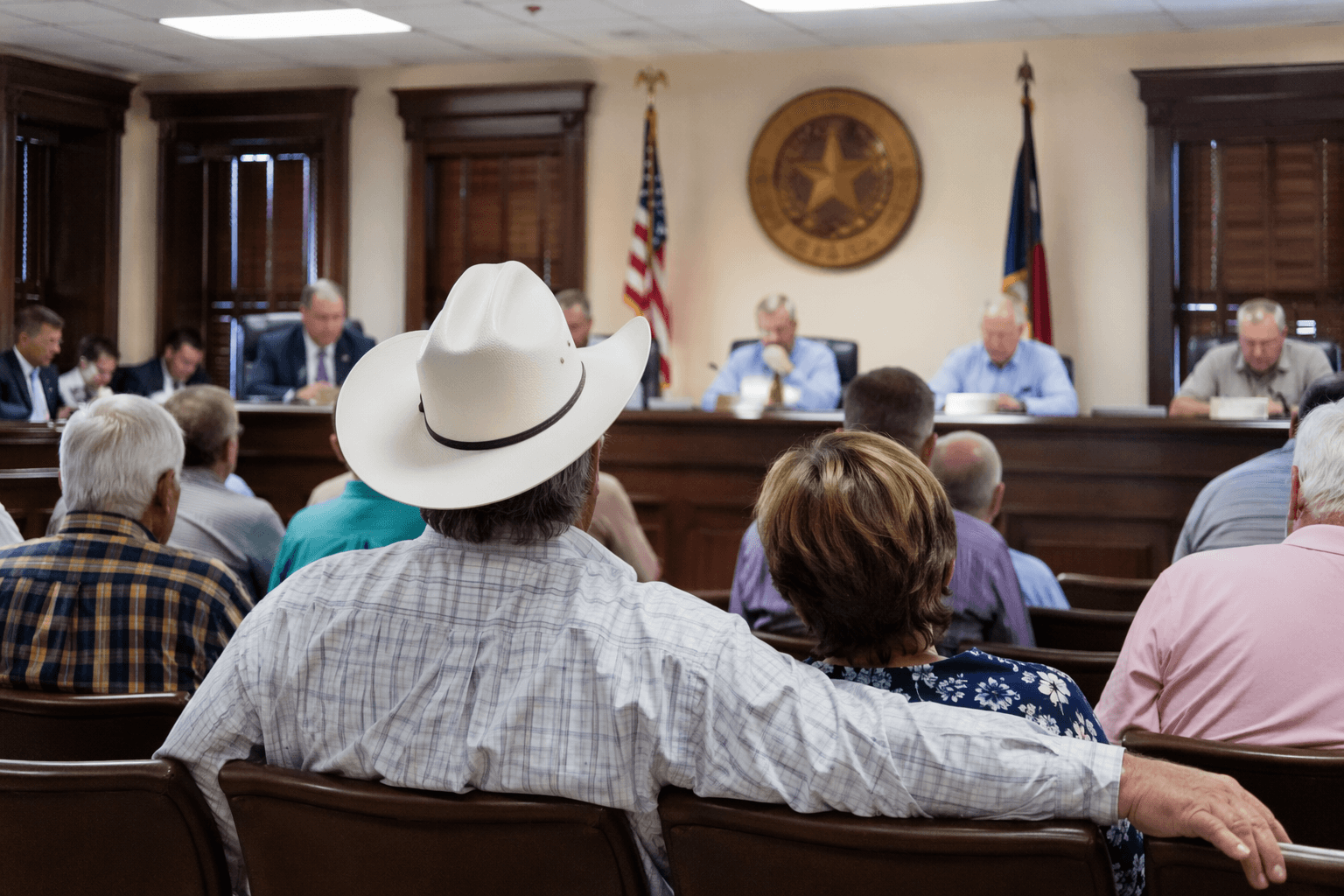
Texas County’s public meetings page is the county’s clearest window into local government. It tells you when the Board of County Commissioners and other public bodies are scheduled to meet, and it posts agendas in advance so you can see what is coming before officials act.
That matters because the page is a schedule and notice board, not just a list of dates. It shows the business county government plans to take up, but it also makes plain what needs your attention: roads, taxes, emergency management and the local services that affect daily life in Guymon, Hooker, Goodwell, Texhoma and the rural roads between them.
Why the calendar matters under Oklahoma law
The page’s structure reflects the Oklahoma Open Meeting Act. The law requires advance notice of regular and special meetings, and special meetings may consider only the matters appearing on the posted agenda. That is why the county posts notices before decisions are made, not after the fact.
The county page also says the Board of County Commissioners is required by law to hold a regular meeting on the first Monday of each month. It adds that county boards often meet more frequently because legal, fiscal and administrative work builds quickly. For you, that means county government is not a once-a-month event. It is a steady stream of public business that only becomes transparent if you keep an eye on the calendar.
How to use the page as a civic oversight tool
If you want to follow county government closely, the meetings page is the first place to start. It ties together the commissioner districts and the offices that handle records, enforcement and administration, including the county clerk, sheriff, assessor, treasurer, election board, emergency management, and fire/EMS.
That one-stop structure helps you answer practical questions. Where do you go for records? Which board handles a tax issue? When will commissioners talk about a road or budget item? The calendar points you to the meeting, the agenda tells you the topic, and the office listings tell you who is responsible.
The county’s public listings also name county officials and offices, including Darrell Edwards, Dolan Sledge, Levi Bickford, Matt Boley, Judyth Campbell, Wendy Johnson, Aimee Midkiff and M. Leach, III. In a county this large, those names are part of the public map of authority, not just administrative details.
A county built around one seat, but spread across a large landscape
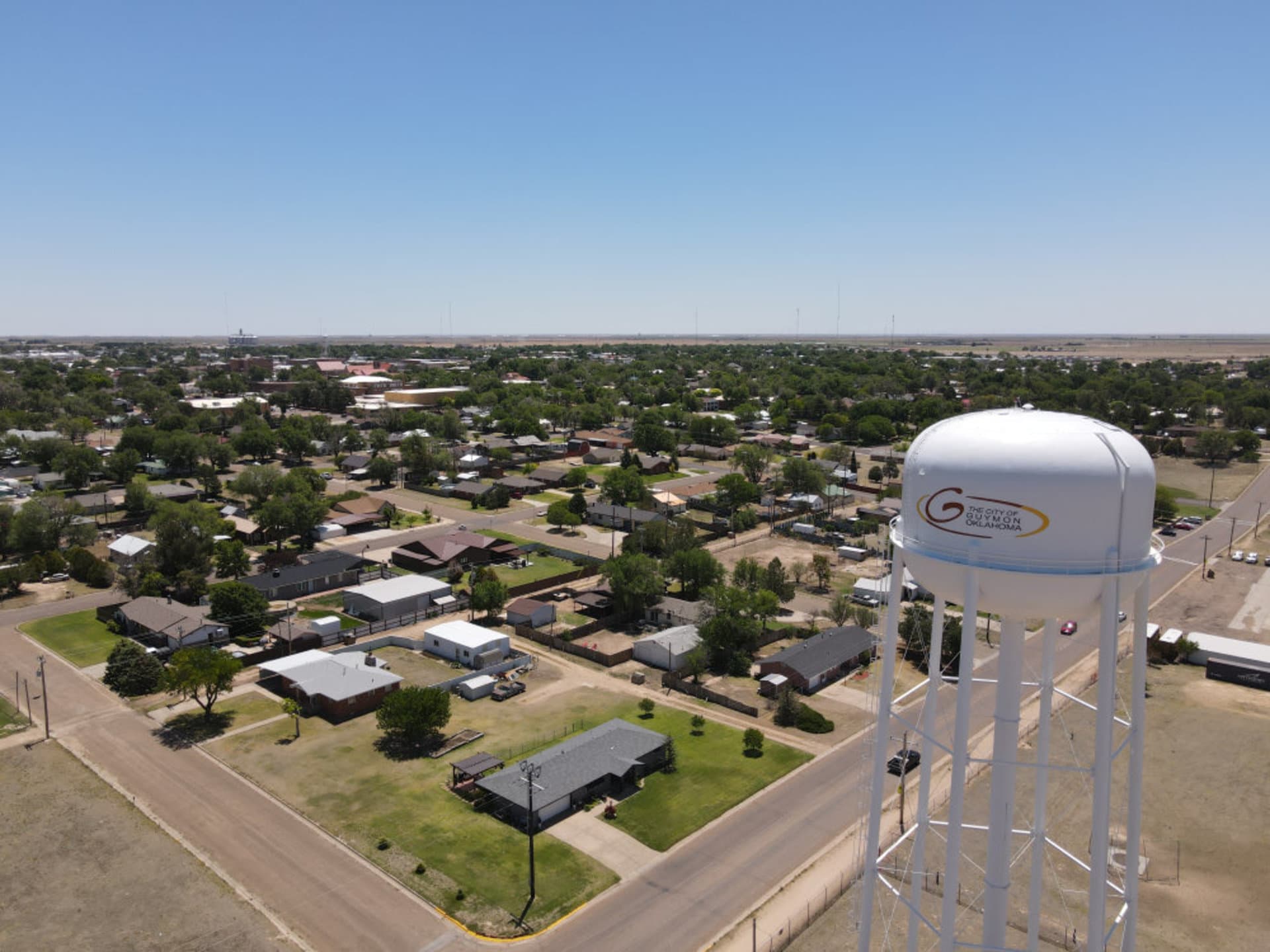
Texas County’s government is centered in Guymon, where the county courthouse and main offices sit at 319 N Main, Guymon, OK 73942. Guymon has been the county seat since 1907, and that has shaped the county’s civic life for more than a century.
The county itself was formed at Oklahoma statehood on November 16, 1907, from the central one-third of Old Beaver County. It was named because it lay within the Texas Cession of 1850. The Oklahoma Historical Society describes Texas County as one of the three Oklahoma Panhandle counties created at statehood from Beaver County, and it identifies Texas County as the state’s second largest county by land area.
That scale is not an abstract detail. The county’s land and water area totals 2,048.82 square miles, and the 2020 census counted 21,384 residents. In a place that large, a meeting page does more than announce meetings. It helps connect a dispersed population to the county seat and to the decisions that shape services across a wide rural map.
What the calendar shows in practice
The county’s annual calendar view makes the public workload easier to see at a glance. April 2026 entries showed multiple Board of County Commissioners meetings, along with meetings of the Election Board, Excise Board, Board of Tax Roll Corrections and Board of Equalization.
That mix says a lot about how county government operates. Commissioners are only part of the story. Election administration, tax oversight and correction of rolls all happen in public, and the calendar shows when those pieces of county business are scheduled to move. If you live in one of the county’s towns or on rural land outside them, the calendar helps you track issues that may affect your taxes, property records, road access or service delivery before decisions are made.
The county’s offices page also shows commissioner offices spread across Hooker, Guymon and Texhoma, a reminder that representation in Texas County is geographically distributed. For a county that stretches across the Oklahoma Panhandle, that spread is a practical response to distance, not a symbolic gesture.
Why this page is the public record that matters most
Texas County’s meetings page is more than a convenience. It is the basic public record of how county business is organized, when officials are required to meet, and where residents can watch decisions take shape. The Open Meeting Act gives that structure legal force, and the county’s calendar gives it a public face.
If you want to understand county roads, taxes, services and the boards that control them, this is the place to begin. In Texas County, civic oversight starts with the calendar, and the calendar starts with notice.
This article was produced by Prism’s automated news system from verified source data, official records, and press releases, then run through automated quality and moderation checks before publishing. The system is built and supervised by the people who set the standards it runs under. Read our full AI policy.
Know something we missed? Have a correction or additional information?
Submit a Tip