Texas County records guide helps family historians find local archives
Texas County's courthouse, cemeteries, plats, and newspaper files can turn one family name into a documented line. Start in Guymon, where the county's strongest paper trail still points readers outward.
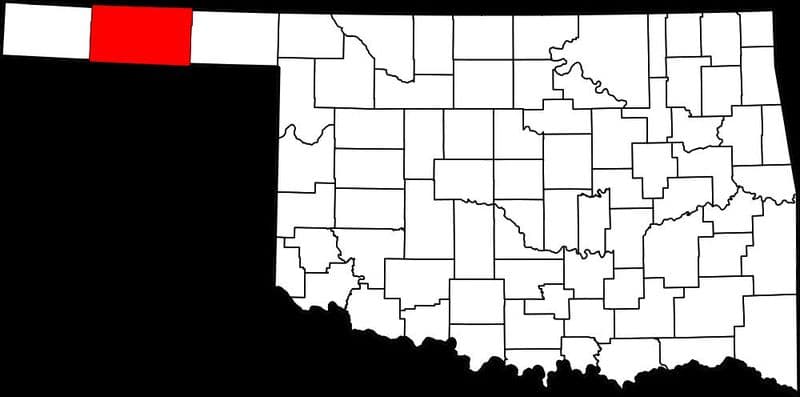
In Guymon, courthouse files, land books, cemetery lists, plats, and old newspapers still line up a Texas County name with a place. Texas County was created at statehood in 1907, named for Texas, and built from cattle-trail country that later took shape through the railroad, agriculture, and oil and gas.
Start in Guymon, where the county paper trail is concentrated
Guymon has been the county seat since 1907. Texas County's records are not spread evenly across the Panhandle. The county covers 2,048.82 square miles, making it Oklahoma's second-largest county by land area, and it is bordered by Cimarron County, Beaver County, Kansas, and Texas. With 21,384 residents in the county and 12,965 in Guymon alone in the 2020 census, a lot of the local recordkeeping and family memory still points back to the same place.
That concentration fits the county's geography and transportation network. Guymon sits on U.S. Highways 54, 64 and 412, plus State Highways 3 and 136, so it has long served as a hub for movement in and out of the Panhandle. For family historians, a search often starts with a courthouse entry in Guymon, then moves outward into town cemeteries, old plats, and newspaper notices tied to nearby places like Goodwell, Hooker, Hardesty, Optima, Texhoma, and Tyrone.
Know which office holds which record before you ask for it
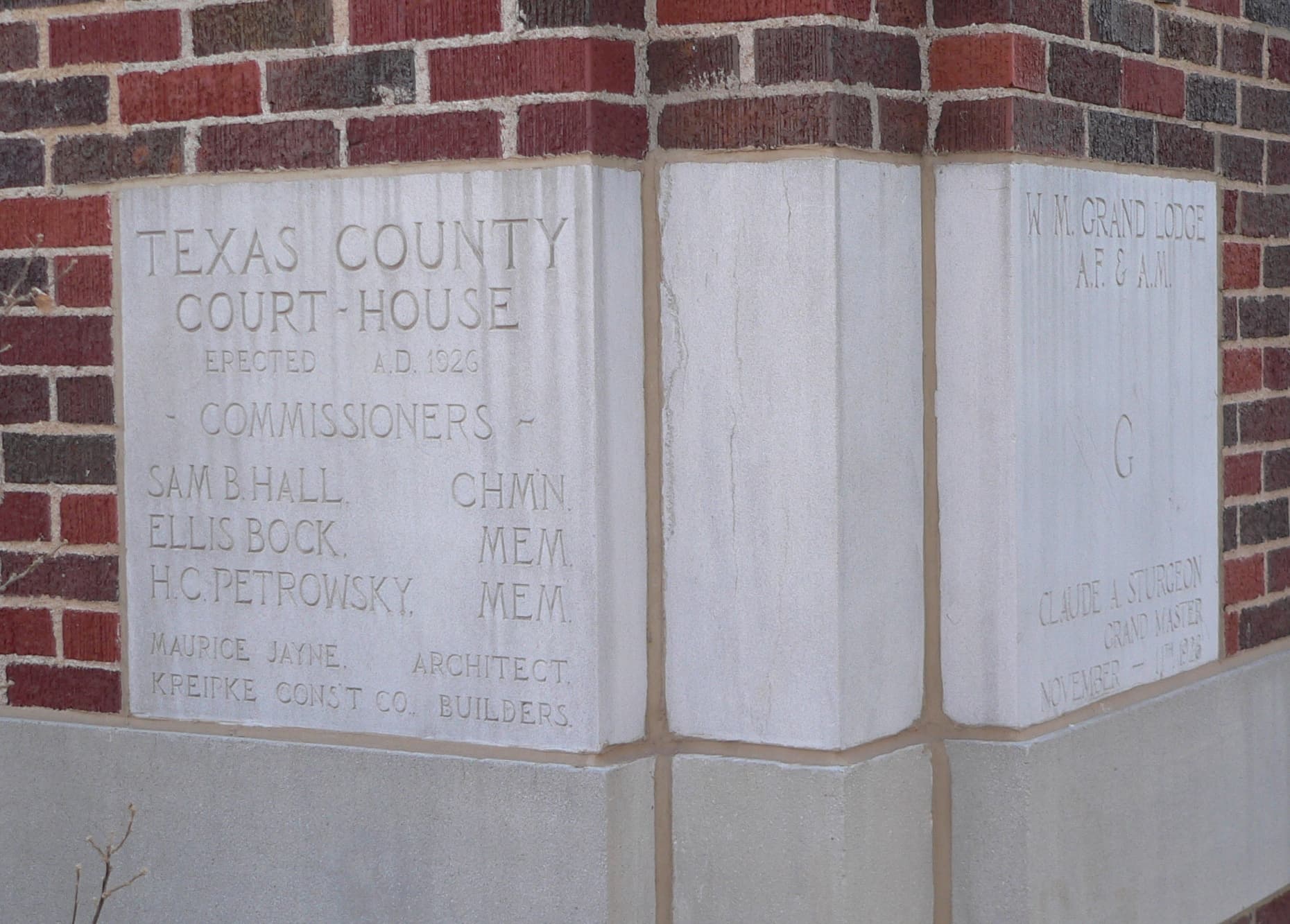
The Texas County Court Clerk is the place to begin for marriage, divorce, probate, and civil court records starting in 1907. That office also issues marriage licenses and keeps permanent district court records, so it is the better stop when a family question turns on a legal event: a wedding date, a divorce filing, an estate, or a civil dispute that mentions relatives, property, or heirs.
The County Clerk is the separate place to ask for land records. The office serves as registrar of deeds and custodian of records, which makes it the starting point for tracing how acreage changed hands, when a ranch property was sold, or whether a family stayed tied to the same quarter-section through more than one generation. In Texas County, the best searches often run in parallel: one path through the Court Clerk for family events, another through the County Clerk for land ownership.
A probate file may show who inherited a tract after a death. A land record may show when a surname first appears on a deed in a township near Guymon or along the route toward Texhoma. A marriage record may connect two families that later appear together in land or tax records.
Use cemeteries and plats to put names on the map
TravelOK includes cemeteries, a detailed county map, existing towns, and ghost towns for Texas County researchers. A cemetery can confirm burial locations that never made it into a newspaper story, while a plat map can show how families clustered around a town site, railroad corridor, or section line. In Texas County, that is especially useful because the county's settlement pattern grew out of cattle trails in the 1880s, railroad construction in 1901, and later oil and gas exploration that began in the 1920s.
The county's older landscape also explains why some names surface in one place and disappear in another. The area was included in the proposed Cimarron Territory in the late 1880s, land ownership in the Panhandle became possible only after the first official survey in the 1890s, and the last land opening in Oklahoma Territory came in 1906. If a family seems to appear late in the record, that may reflect the way land access developed rather than a missing ancestor.
Add the local archive before you rely on the screen
The No Man’s Land Historical Society gives Texas County researchers a second layer of evidence beyond courthouse books. Its archive includes 1908 tax rolls, 1920 and 1960 plat maps, area history books, Chronicles of Oklahoma, Cimarron Territory minutes, area newspapers, photograph collections, and family history materials. The society has been preserving Panhandle heritage since 1934 in partnership with Oklahoma Panhandle State University.
Those holdings are especially useful for questions that go beyond a single certificate or deed. Tax rolls can help place a family on a specific tract. Plat maps can show how a town block or quarter-section changed over time. Photograph collections and family histories can fill in the names of neighbors, in-laws, and ranching connections that do not appear in a legal index.
Use newspapers to catch the details records leave out
The Guymon Democrat began publishing in 1907, the same year the county was created, and Gateway to Oklahoma History provides access to 192 issues with earliest held content dated April 4, 1912. The paper is a strong online layer for obituaries, legal notices, social items, and small-town references that often bridge the gap between a courthouse filing and a family relationship.
Newspaper research is especially useful in a county shaped by agriculture, cattle, and energy. A notice in The Guymon Democrat can help place a family at a particular farm, town business, or rural event, while a land record or probate file can explain why the name shows up there.
This article was produced by Prism’s automated news system from verified source data, official records, and press releases, then run through automated quality and moderation checks before publishing. The system is built and supervised by the people who set the standards it runs under. Read our full AI policy.
Did this article answer your question?