La Grande landmarks commission guides historic preservation decisions
Older La Grande buildings can trigger city and state preservation review. The Landmarks Commission is the first stop for many exterior changes and National Register questions.
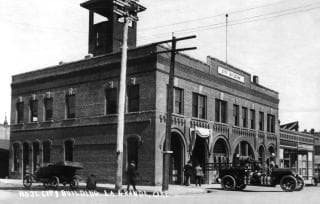
La Grande property owners planning work on an older building often meet the city’s five-member Landmarks Commission before they meet a contractor. The commission is the city’s local preservation gatekeeper for projects affecting historic resources, and its decisions can shape everything from a storefront repair to a National Register nomination.
How La Grande’s preservation system is set up
The Landmarks Commission is empowered by the City Council, which means its role is built into city government rather than left to informal opinion. Three of the five seats must be held by people who live inside the city limits or the Urban Growth Boundary, and two may be filled by Union County residents, a structure that keeps the commission local without limiting it to one neighborhood or one profession.
When the commission reviews projects affecting historic resources, it weighs how a change will fit La Grande’s built environment, including the downtown blocks the city describes as its award-winning historic downtown and the heart of the community.
What to check before you change the outside of a historic building
The city’s Historic Landmarks & Historic Resources materials point owners to National Park Service Preservation Briefs on preserving, rehabilitating, and restoring historic buildings. Those briefs are especially useful when a project involves original materials or character-defining features, because the right fix for routine maintenance is not always the right fix for historic fabric.
If you own an older house or commercial building, that is the place to start before replacing windows, altering trim, covering masonry, or changing a porch or facade. The city’s preservation resources are there to help owners recognize common problems before work begins, so a repair does not accidentally erase the features that make the building historic in the first place.
Ordinary upkeep may be straightforward, but work that changes what people see from the street can move you into preservation territory. A new paint color may be simple; removing original woodwork, changing storefront proportions, or replacing historic window patterns can raise a different set of questions, and those are the questions the commission is designed to review.
- Check whether the building is a historic resource before starting exterior work.
- Review the National Park Service Preservation Briefs for the type of repair you plan.
- Ask early if the project will be seen as a repair, rehabilitation, or restoration, because those are treated differently.
- Build in time for preservation review before a contractor starts demolition or ordering materials.
When National Register rules actually come into play
La Grande also has a formal role in National Register nominations. Resolution No. 4752, Series 2017, says the Landmarks Advisory Commission reviews and comments on nominations for the National Register of Historic Places when the State Historic Preservation Office refers them. That connects a local commission meeting in La Grande to the state and national preservation system.
The National Register of Historic Places is the nation’s official list of properties worthy of preservation, and it can include districts, sites, buildings, structures, and objects. Properties on the list can matter because they are significant to a local community, a state, a Native American tribe, or the nation as a whole. For owners, a National Register listing is not the same thing as a blanket ban on private alterations, but it can affect projects that go through certain federal or state review processes.
If your project does not involve a federal or state permit, funding, or review, National Register status alone does not automatically stop private work. If a project does involve those layers of government, the listing can change the path the project takes, which is why owners should check status before they lock in plans.
In July 2026, the Oregon Parks and Recreation Department announced that the National Park Service listed La Grande’s Carnegie Library in the National Register of Historic Places.
Why downtown owners and neighborhood homeowners both need to pay attention
The city’s downtown is presented as a civic center and a place where historic character is part of its identity, and La Grande Main Street Downtown uses the National Main Street 4-Point approach to downtown revitalization, tying preservation, economic activity, design, and organization together.
The Landmarks Commission hosted a walking tour in October 2021, and a 2024 historic-homes walking tour put classic houses on display as part of the city’s preservation conversation. The tours put windows, porches, facades, and brickwork on display as the details the commission and the city’s preservation materials are meant to protect.
This article was produced by Prism’s automated news system from verified source data, official records, and press releases, then run through automated quality and moderation checks before publishing. The system is built and supervised by the people who set the standards it runs under. Read our full AI policy.
Did this article answer your question?