La Grande tree walk at Garden Park teaches local species identification
Garden Park’s one-hour tree walk gives La Grande families a quick, practical way to learn local species before summer heat settles in.
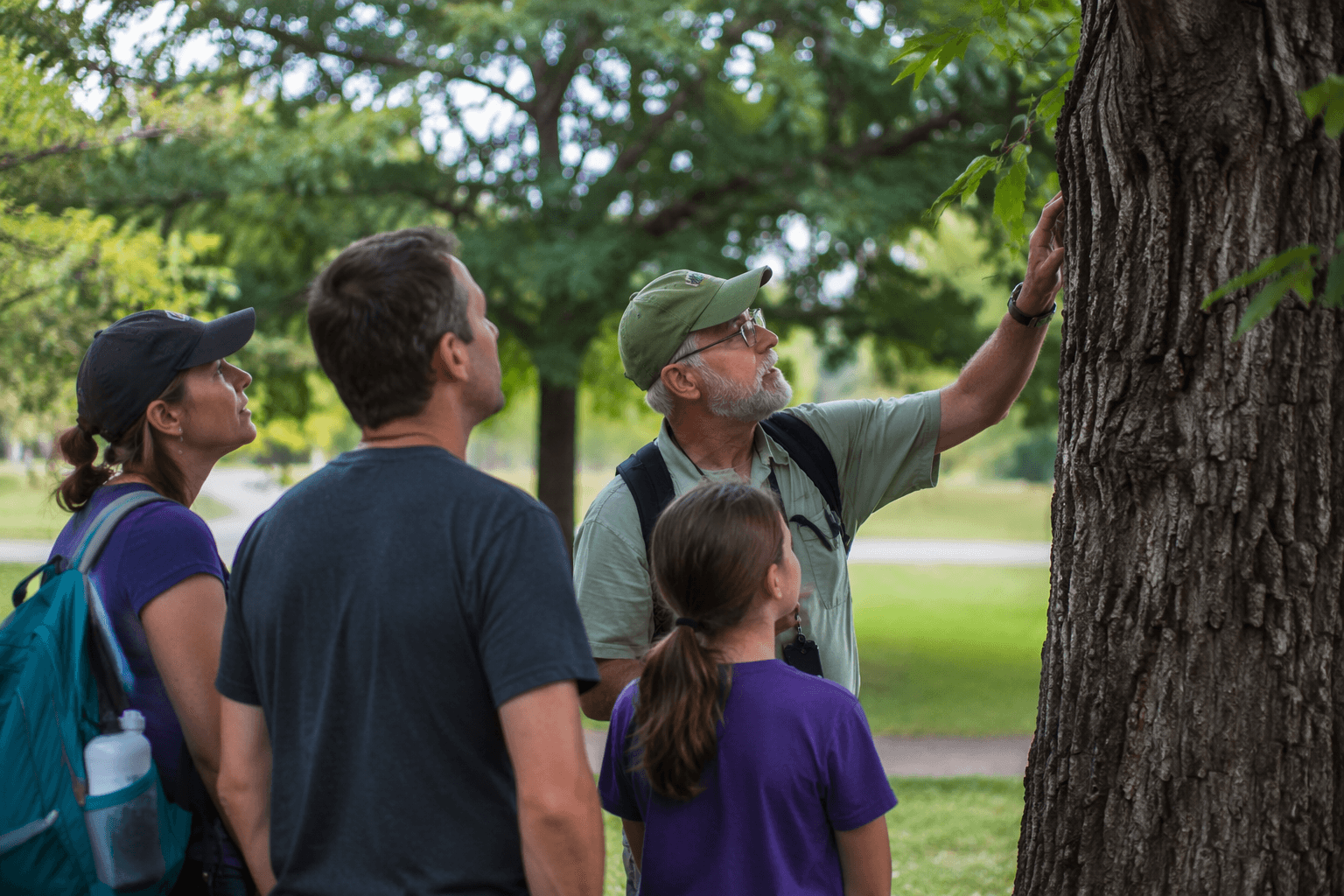
A one-hour walk at Garden Park is set up to do something useful and easy to act on: help La Grande residents recognize the trees they pass every day. Led by Teresa Gustafson, the program is built around basic tree identification, with an emphasis on tips, tricks and techniques rather than technical botany, so it works for casual walkers as well as people who want to build real confidence outdoors.
What to expect at Garden Park
The Tree Walk takes place Friday, June 19, from 10 to 11 a.m. at Garden Park in La Grande. That short window is part of the appeal. It gives families, older adults and anyone with a busy summer schedule a low-commitment way to spend time outside while learning something practical about the city’s landscape.
The outing is also designed to feel approachable. Instead of a classroom lecture, participants will be walking through a city park with Teresa Gustafson, who will focus on the basics of identifying local species. For people who know they want to notice trees more closely but do not consider themselves experts, that format matters. It turns a familiar park into a hands-on lesson without requiring special equipment, prior knowledge or a long day away from home.
Who the walk is for
This is the kind of summer event that fits several kinds of attendees at once. Families can treat it as an easy morning outing. Casual walkers can use it as a guided reason to spend time in Garden Park. Older adults can take part without the strain of a longer excursion. Anyone who wants to learn the names and traits of the trees around La Grande can leave with more confidence than they had at the start.
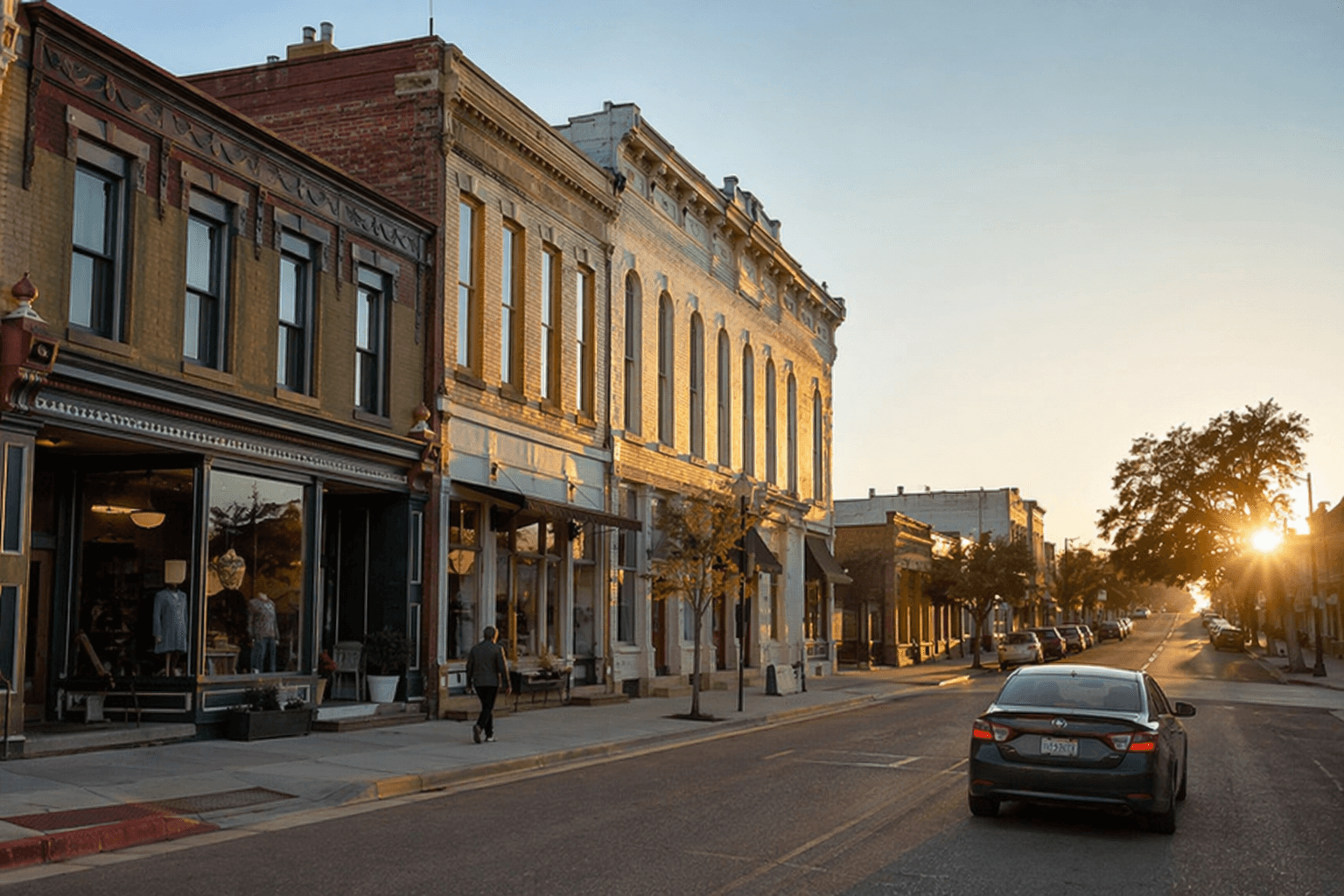
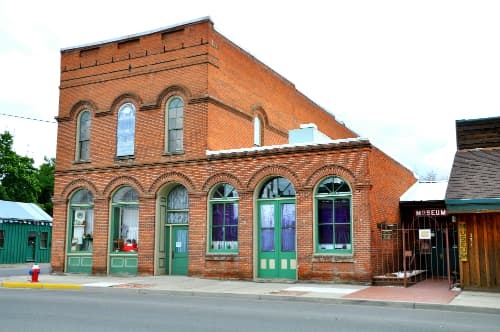
That broad appeal fits the way La Grande often uses its public spaces. Parks & Recreation events give residents something local to do without leaving town, and this walk is one more example of the city using a neighborhood park for education as well as recreation. It is a small-scale program, but it is practical, local and immediately usable in daily life.
Why this date is worth showing up for
June is when tree canopy starts to matter in a more tangible way. In a place like La Grande, where summer heat and dry conditions shape how people move through town, a shaded park walk is more than a pleasant morning activity. It is a reminder of how much the city depends on the health of its urban forest.
The timing also makes the walk a good entry point for summer. A Friday morning in mid-June is early enough to fit before the weekend, and the one-hour format makes it easy to add to the day without major planning. For readers weighing whether this is worth a stop, the main selling point is simple: it gives you a concrete skill, local context and a reason to look differently at the trees lining streets, parks and neighborhoods.
How it fits into La Grande’s tree program
The walk is part of a larger urban forestry effort that has been building for decades. The City of La Grande says it has been a Tree City USA community since 1990, and its mission includes preserving and protecting existing trees while planting up to 100 more each year. That means the Garden Park walk is not just a one-off nature event. It sits inside a bigger city strategy to treat trees as part of public infrastructure.
The city also says its public tree inventory is available through City of La Grande Maps, which gives residents another practical tool for learning what grows around them. Right-of-way street trees are available for $40, a detail that makes the program feel less abstract and more tied to what people can actually plant in their own neighborhoods. The city’s community forestry page says the broader program is aimed at expanding community engagement, increasing tree planting in neighborhoods that need it most and providing tree maintenance in those same neighborhoods.
That combination of education, planting and maintenance gives the walk a stronger civic purpose. It is not only about naming trees. It is about building a community that understands why trees are there, where they are missing and how public space can be improved over time.
A city that has been getting tree credit for years
La Grande’s tree work has also earned recognition before. Teresa Gustafson said in 2021 that the city had earned a Tree City USA Growth Award for the 29th consecutive year in 2020. She also noted that Tree City USA has a minimum benchmark of $2 per resident for urban forestry spending, while La Grande spent $18 per capita in 2020.
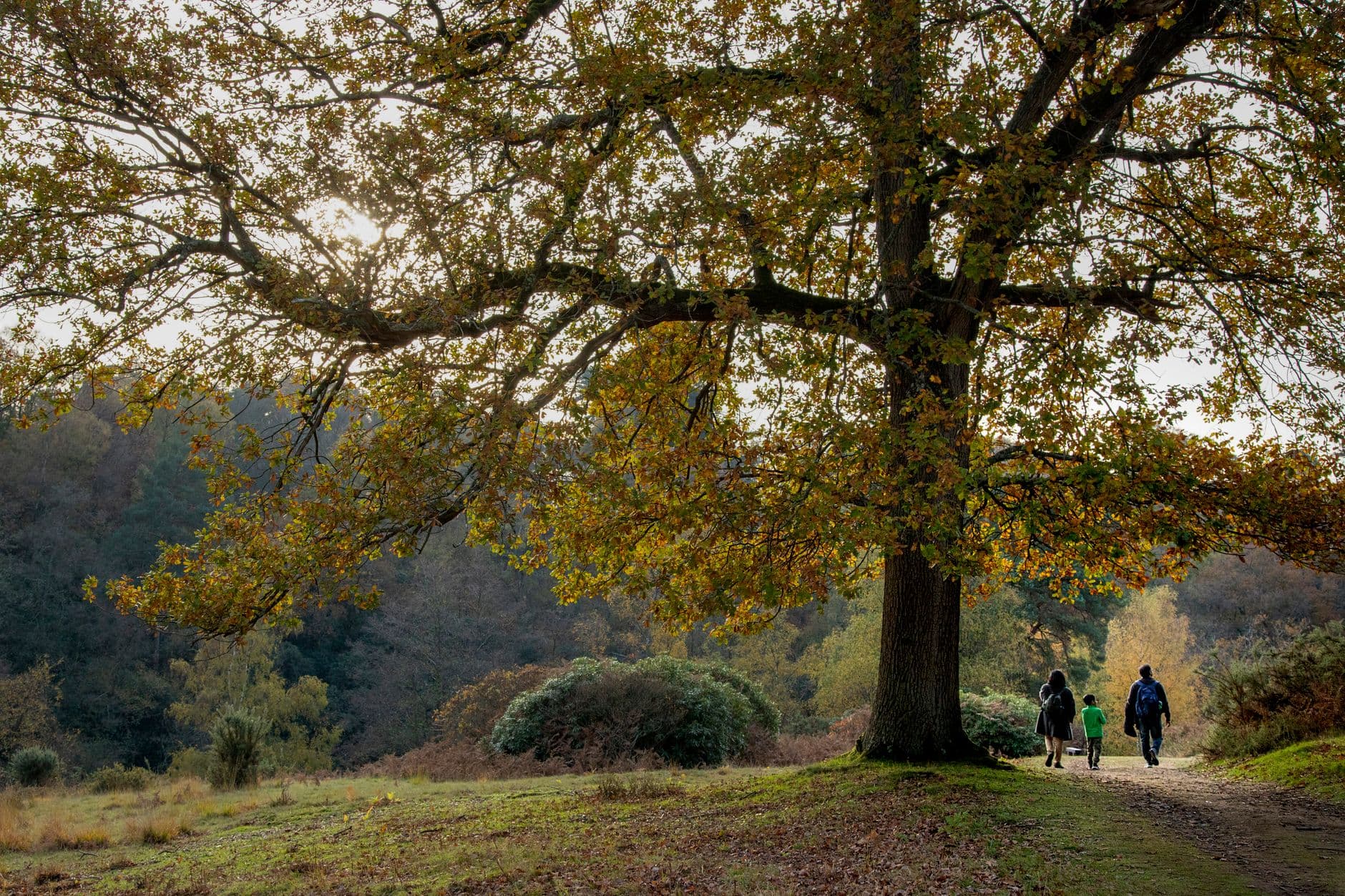
Those numbers matter because they show that the city’s tree program is not symbolic. La Grande has been spending well above the minimum standard for years, and that spending has helped support the kind of public-facing education event residents will see at Garden Park. A tree walk may feel small, but it is backed by a long-running local commitment.
Why trees matter in Union County
The broader setting helps explain why this subject resonates locally. Union County was established on Oct. 14, 1864, and the county’s climate and economy have long been tied to the land. The county history page lists an average July temperature of 70.4 degrees and annual precipitation of 18.79 inches, conditions that make shade, water management and tree cover especially relevant in everyday life.
Union County’s 2020 Census population was 26,196, which means a program like this can have an outsized impact in a small community. Residents do not need a big regional attraction to learn something useful about their environment. They need a local park, a knowledgeable guide and a reason to pay closer attention to what is already growing around them.
The Garden Park tree walk gives La Grande exactly that: a short, practical outing with real takeaways. By the time it ends at 11 a.m., participants should leave with more than a pleasant morning outside. They should leave better able to recognize the trees that shape the city’s streets, parks and summer shade, and more aware of the citywide effort behind them.
This article was produced by Prism’s automated news system from verified source data, official records, and press releases, then run through automated quality and moderation checks before publishing. The system is built and supervised by the people who set the standards it runs under. Read our full AI policy.
Know something we missed? Have a correction or additional information?
Submit a Tip