Union County commissioners hold special meeting on Greater Idaho measure
Union County commissioners met under Ballot Measure 31-101, a voter-approved mandate that keeps the Greater Idaho fight on the county agenda and in public view.
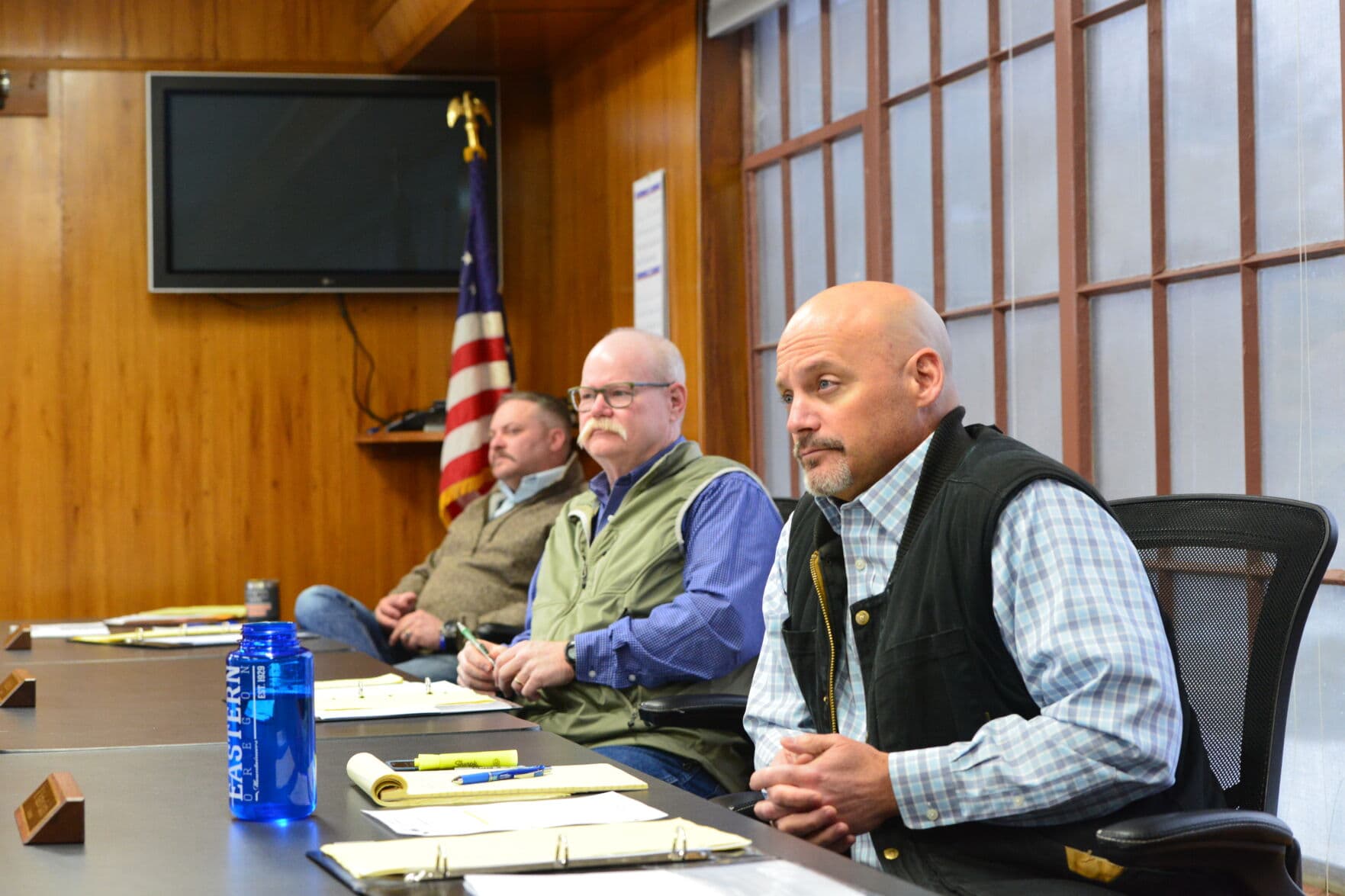
Union County commissioners met under a voter mandate on Wednesday morning, holding one of the county’s required Ballot Measure 31-101 sessions in La Grande. The special meeting, set for 9 a.m. at the Joseph Building Annex Conference Room, 1106 K Avenue, carried a brief agenda but a larger political meaning: it kept the county’s Greater Idaho position in front of voters nearly six years after the measure passed.
Ballot Measure 31-101 was approved by Union County voters on November 3, 2020, by 7,435 yes votes to 6,753 no votes, a margin of 682. County records say the commissioners must meet on the second Wednesday of February, June and October at 9 a.m. to discuss how to promote Union County’s interests in negotiations over relocating the Oregon-Idaho border to include the county.
The June 10 agenda showed how tightly the county is following that mandate. Commissioners were scheduled to open with the Pledge of Allegiance, then hear a staff report, take public comments, offer commissioner remarks and set the next meeting date. The county also provided Zoom access, phone-in participation and a way to submit written public comment by email, giving residents more than one path to weigh in on a measure that remains one of Union County’s most visible political flashpoints.
The meeting also underscored the limits of the Greater Idaho campaign. Even if Union County keeps pressing the issue through these regular sessions, any actual border change would still require approval from the Oregon Legislature, the Idaho Legislature and the U.S. Congress. That makes the meetings a recurring sign of local sentiment and a formal record of county support, not a change in state lines or county boundaries.
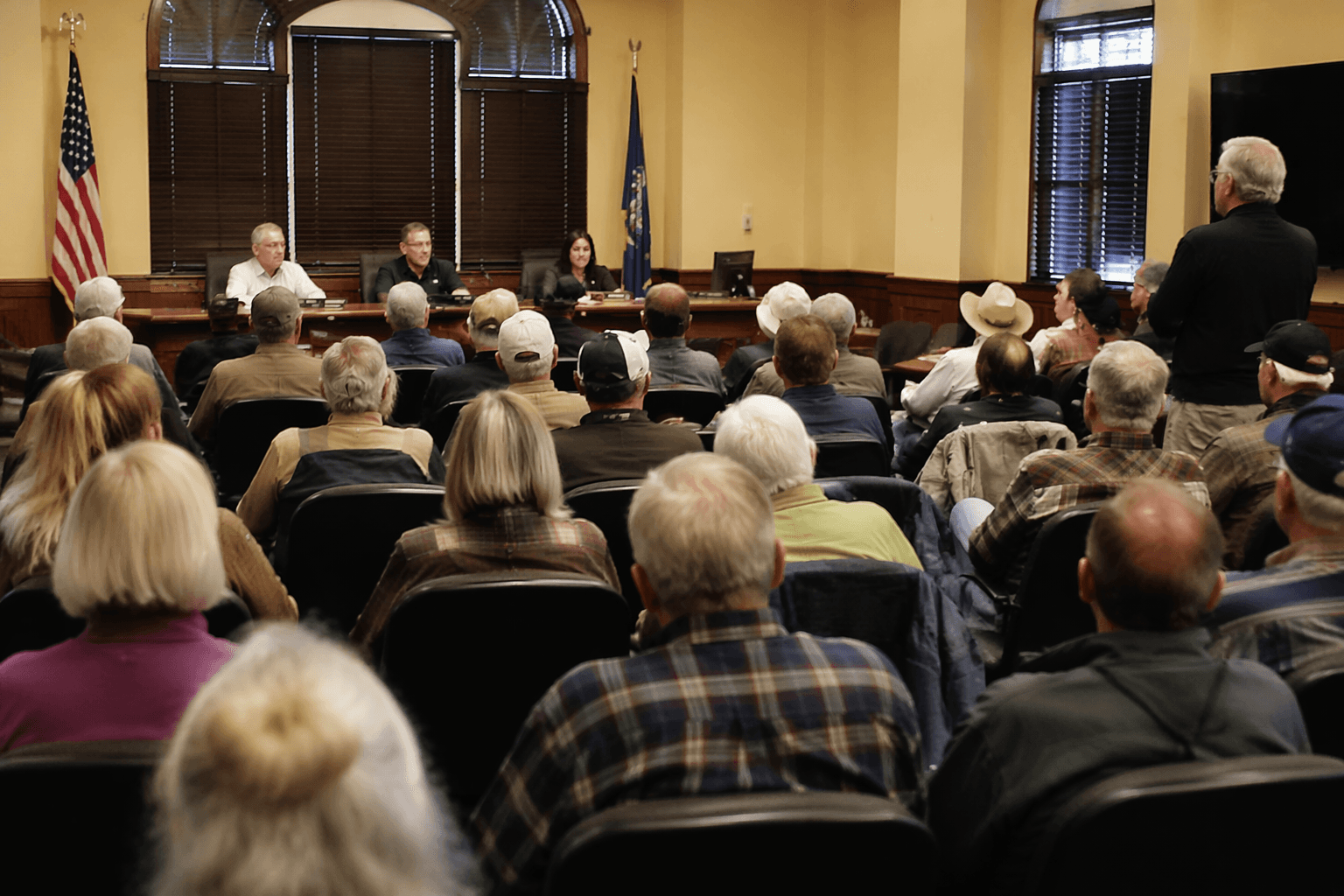
The county’s schedule has kept Measure 31-101 on the calendar in February, June and October, ensuring the issue does not disappear between election cycles. By 2024, 13 eastern Oregon counties had approved similar Greater Idaho measures, widening the movement’s footprint across the region even as the political path remained long and uncertain.
Those sessions have also drawn limited public attention. Reports from earlier meetings in 2024 and 2025 described little or no turnout from residents, and some sessions had no public comments submitted in advance. That made the June meeting less a dramatic showdown than a test of whether a voter-approved measure still commands the attention that put it on the ballot in the first place.
This article was produced by Prism’s automated news system from verified source data, official records, and press releases, then run through automated quality and moderation checks before publishing. The system is built and supervised by the people who set the standards it runs under. Read our full AI policy.
Did this article answer your question?