Bucknell study finds stress hormones shape kittiwake chick survival
Bucknell researchers found stress hormones can make kittiwake chicks more aggressive and more likely to survive before they ever leave the nest.
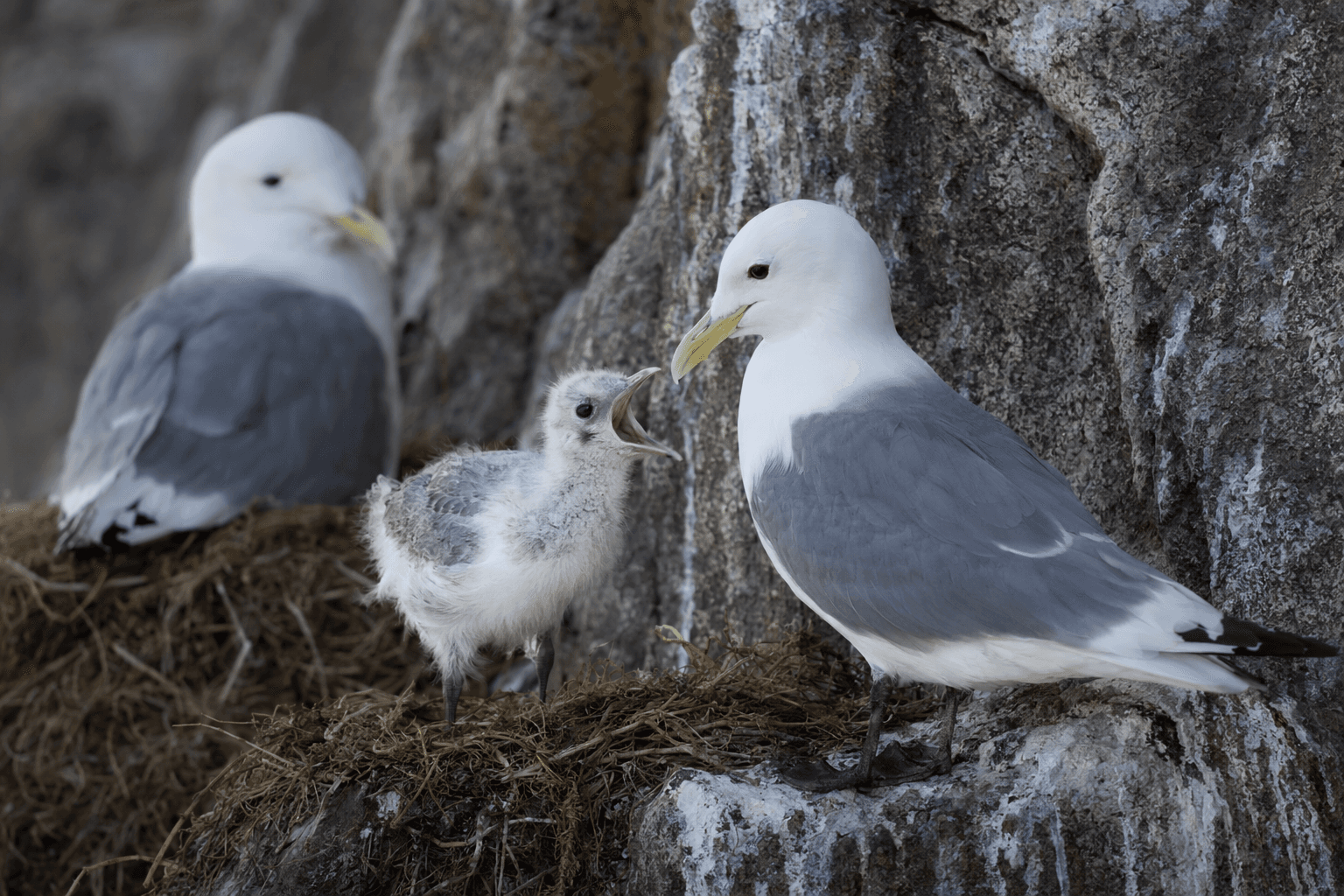
Stress hormones did more than signal hardship in a Bucknell University study in Lewisburg. In black-legged kittiwake chicks, elevated corticosterone shaped aggression and survival before the birds ever took their first flight.
The work, led by Bucknell biology professor Morgan Benowitz-Fredericks, looked at a stark reality for the seabirds: even in the nest, they were already facing a competition-or-die dynamic. The study found that stress physiology was not just a byproduct of a harsh environment. It could actively change behavior and alter which chicks were more likely to make it.
That makes the findings especially notable for Union County, where Bucknell’s biology department is putting local researchers into a larger scientific conversation about ecology and animal behavior. Benowitz-Fredericks directs the university’s animal behavior program, giving the project a strong academic base in Lewisburg and showing that Bucknell’s research reaches well beyond classroom instruction.
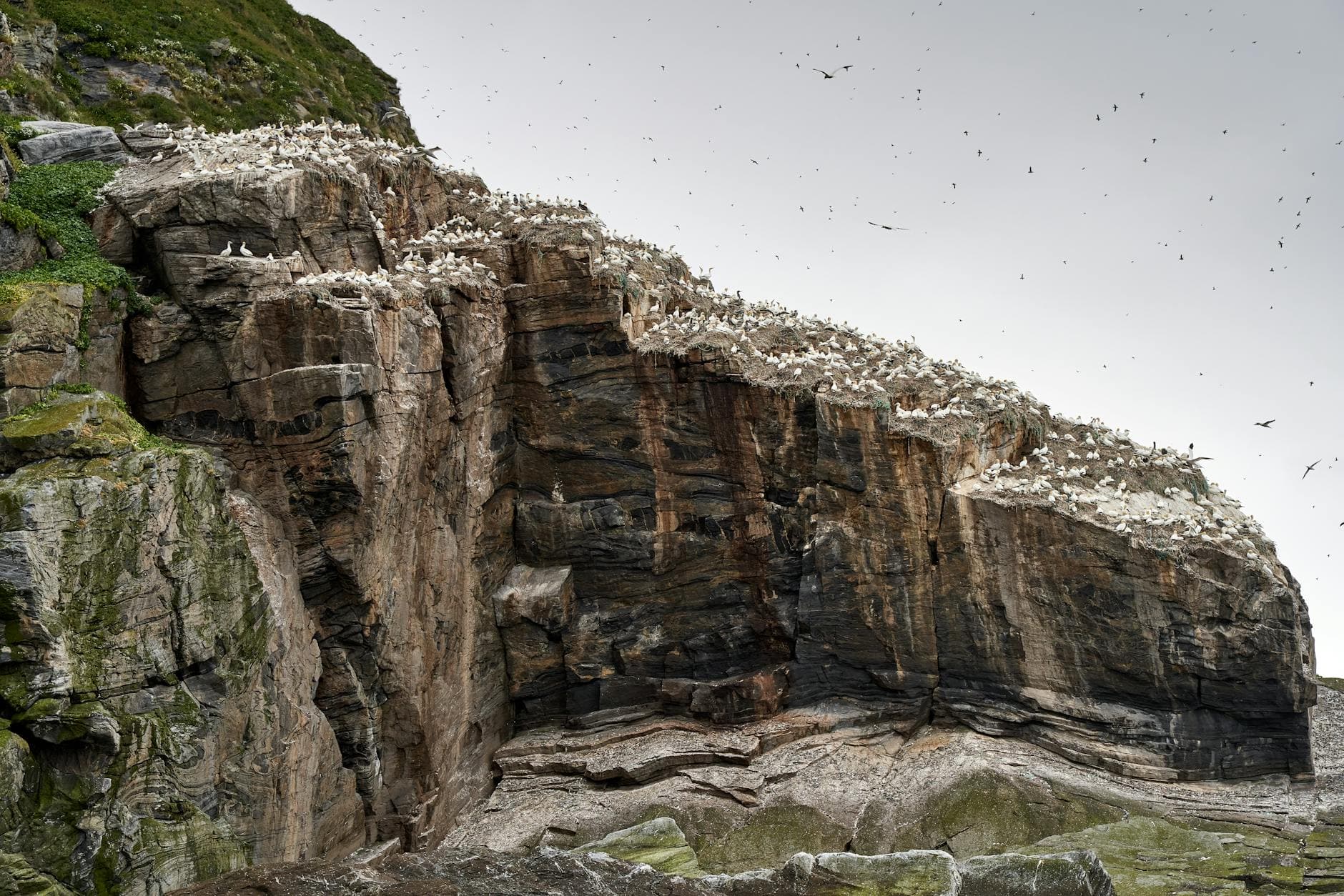
The key result is counterintuitive but important. In a crowded, competitive setting, higher corticosterone levels appeared to raise aggression and improve survival odds. For young kittiwakes, that hormonal response may help determine which chicks can hold their ground when resources are tight and sibling competition is intense.
The implications stretch beyond one bird species. Scientists studying how animals respond to climate pressure, habitat disruption and food scarcity often focus on the environment itself. This research points to another layer: the biological stress response that can shape behavior long before an animal leaves the nest. If hormones help determine who survives under pressure in kittiwakes, they may play a similar role across other species facing limited resources and unstable conditions.

For Bucknell, the study adds another example of work from Lewisburg that is drawing wider attention because it links basic biology to a larger question with broad relevance: how living things adapt when survival gets harder. In this case, the answer began with a seabird chick, a stress hormone and a fight for survival that started before the first flight.
This article was produced by Prism’s automated news system from verified source data, official records, and press releases, then run through automated quality and moderation checks before publishing. The system is built and supervised by the people who set the standards it runs under. Read our full AI policy.
Did this article answer your question?