Lewisburg Area schools eye 1.5% tax hike in preliminary budget
Lewisburg Area schools are weighing a 1.5% tax hike that would add about $60 a year to a $200,000 home as the district opens a $47 million budget with a deficit.
A Lewisburg homeowner with a $200,000 assessed property could face about $60 more a year if the Lewisburg Area School District’s proposed 1.5% tax increase survives the budget process. That is the early price tag attached to a preliminary 2026-27 spending plan that is still being shaped before any final vote.
Business Manager Kyle Winton laid out the first version of the budget during Thursday’s board meeting, when district leaders signaled that next year’s general fund plan was built around roughly $47 million in spending and a projected $460,691 deficit. Expenses were shown rising 5.3%, a jump that puts added pressure on salaries, benefits, transportation, special education and other day-to-day operating costs that make up school budgets.
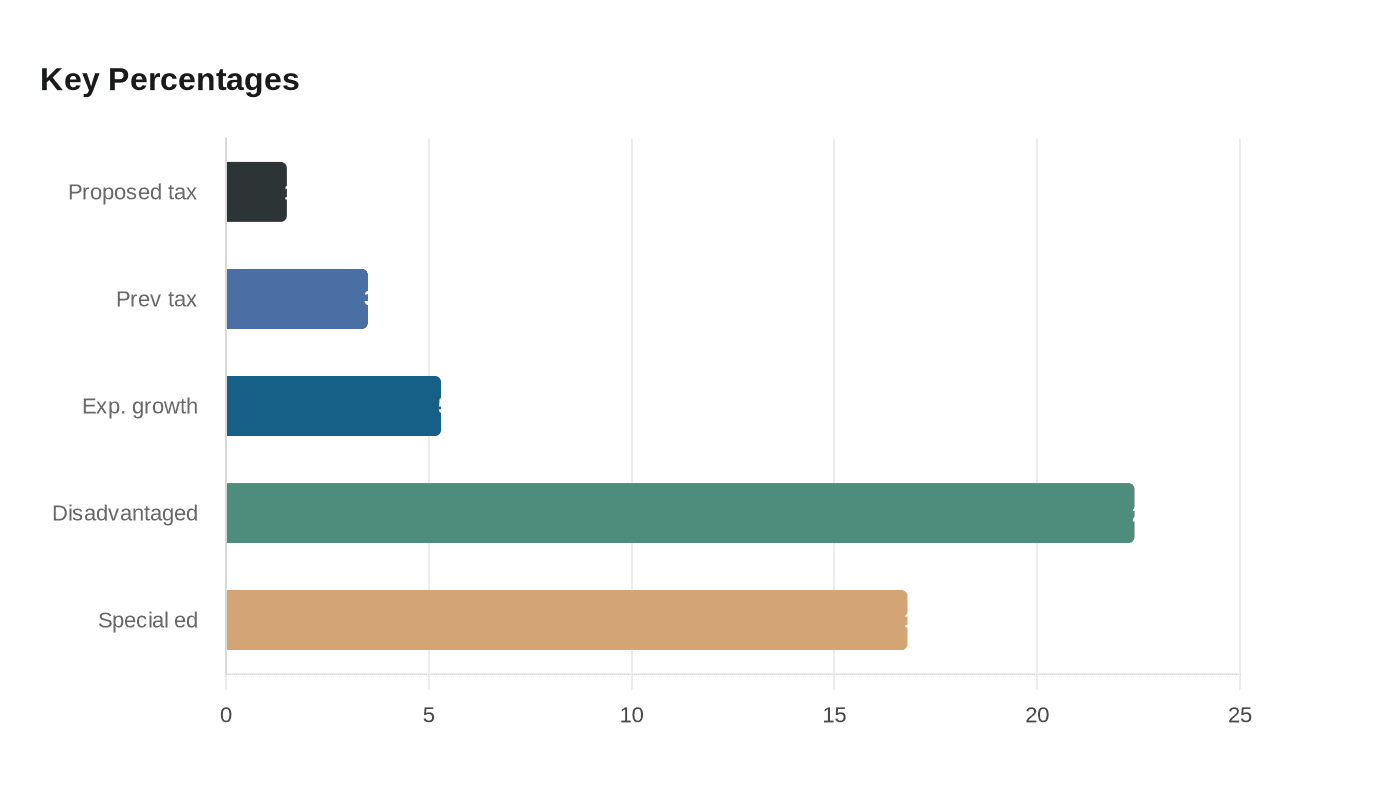
The district’s numbers matter in practical terms because Lewisburg Area School District already said more than 70% of its total expenses are directly tied to employment. In its 2024-25 budget explanation, the district said directors approved a 3.50% tax increase, set millage at 20.07, and showed that a home assessed at $200,000 carried a school property tax bill of $4,014 before exclusions. The new proposal would come on top of that earlier increase if it is ultimately approved.
Lewisburg Area School District serves just under 2,000 students and operates two campuses in Union County. Future Ready PA Fast Facts lists enrollment at 1,821 students, with 22.4% identified as economically disadvantaged and 16.8% receiving special education services. Those figures help explain why board members regularly return to staffing levels and support services when they discuss the budget, since those costs follow enrollment and student needs more closely than they do a simple annual spending target.
The district’s preliminary plan is not final. Pennsylvania’s Act 1 framework limits how much school districts can raise millage without exceptions or voter approval, which means the 1.5% figure remains a starting point while leaders refine revenues and expenses. The board’s public meeting schedule included March 12 and April 9 as part of the 2026-27 budget process, and a recording posted after the April 9 meeting showed a budget update and special education plan on the agenda.
Lewisburg’s business office also maintains a long-range financial plan, a reminder that this spring’s debate is part of a bigger fiscal picture. For taxpayers, the immediate question is how much local property taxes must rise to keep classrooms staffed and services intact, and for the board, the next few meetings will determine whether that first 1.5% signal holds or changes before the budget is adopted.
This article was produced by Prism’s automated news system from verified source data, official records, and press releases, then run through automated quality and moderation checks before publishing. The system is built and supervised by the people who set the standards it runs under. Read our full AI policy.
Did this article answer your question?