Del Rio vendors face new Texas permit rules before July Fourth events
Del Rio vendors were told some could miss July Fourth if they do not secure the new state permit in time, raising the risk of fewer booths and tighter food options.
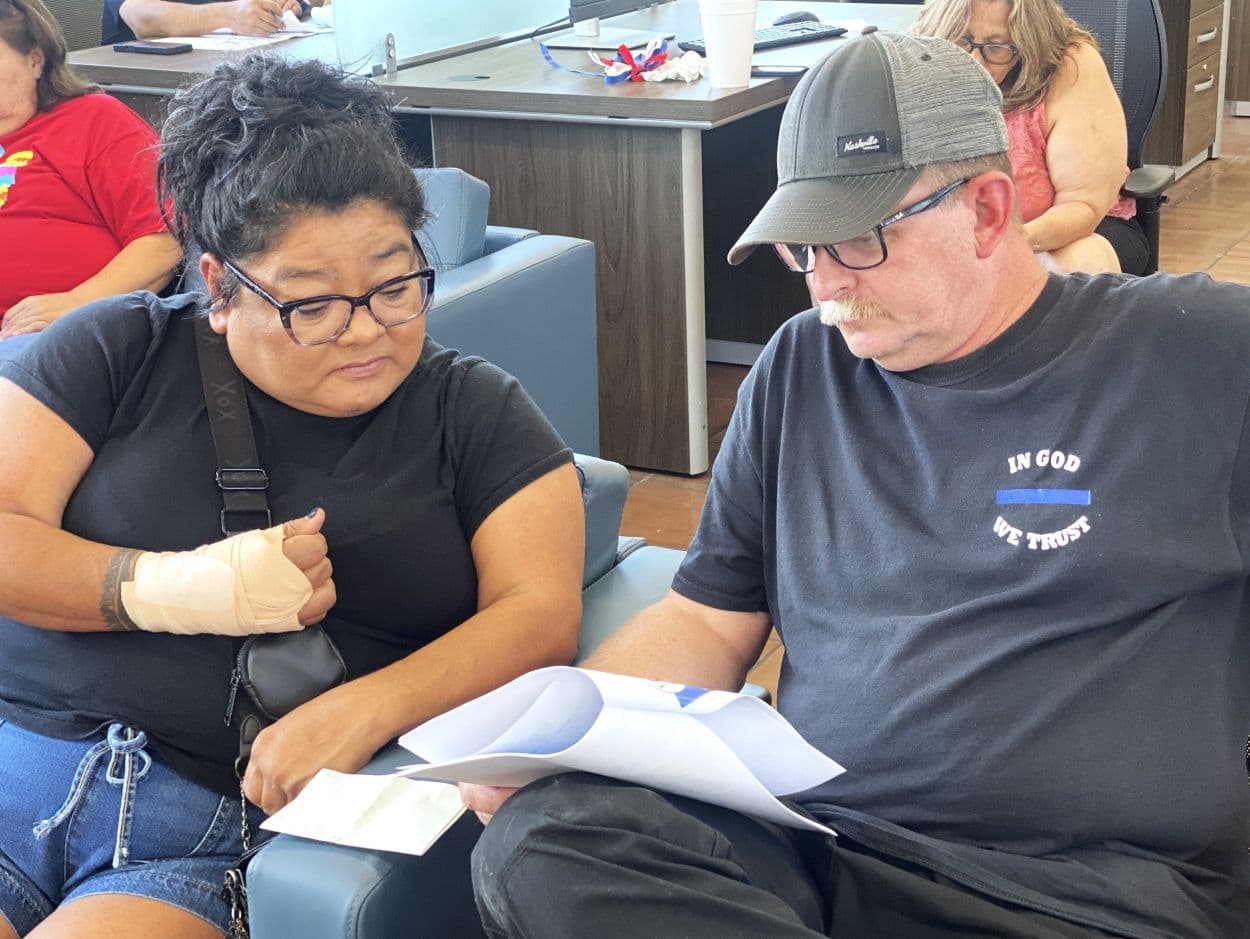
About 20 Del Rio mobile-food and booth vendors were told at a June 16 meeting that they may need new state paperwork in hand before the city’s July Fourth celebration begins. City operations and compliance manager Scot Carcasi said local mobile-food permits will stop being issued after July 1, and vendors who are not already cleared face a four- to six-week wait.
The meeting took place at the city’s transportation depot on West Ogden Street, where city staff laid out the new Texas rules and handed out registration forms. Esme Esparza, the city’s community services director, welcomed vendors and asked for details about business names, whether they sell food, novelties, toys, or arts and crafts, whether items are cooked on site, and whether the vendor already holds a current city permit.

Del Rio’s July Fourth activities are set for July 4 at the Dr. Alfredo Gutiérrez Jr. Amphitheater.
House Bill 2844, signed by Gov. Greg Abbott on June 20, 2025, created the state change. Statewide mobile-food-vendor licensing became available in early June 2026 and becomes mandatory on July 1, 2026. The new license is valid throughout Texas, replaces separate local licenses in each city or county, and is organized into three risk-based categories.
Vendors already working under a local license may keep operating after July 1 if they submitted a complete DSHS application and paid the required fees. New vendors without a current Texas license cannot operate until they pass the pre-licensing inspection. Vendors should keep their local license, application summary, and payment receipt on site during the transition, and the license remains valid for one year from a successful pre-licensing inspection.

The shift also ends a patchwork system that had required operators to pay separate permitting fees in each city or county where they wanted to do business.
This article was produced by Prism’s automated news system from verified source data, official records, and press releases, then run through automated quality and moderation checks before publishing. The system is built and supervised by the people who set the standards it runs under. Read our full AI policy.
Did this article answer your question?