Lake Amistad visitors urged to stop zebra mussel spread
Amistad Reservoir is now listed as infested, and every boat launch can spread zebra mussels on hulls, trailers and gear across Val Verde County.
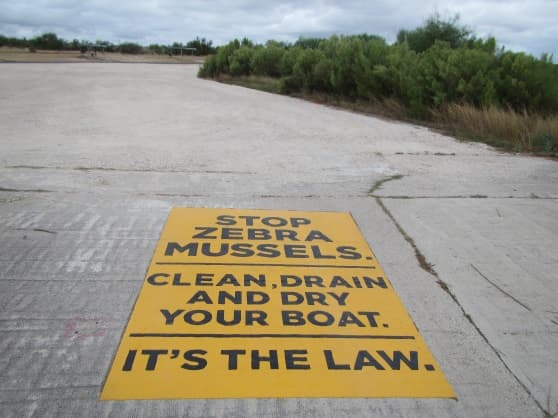
On March 20, 2024, Texas Parks and Wildlife Department designated Amistad Reservoir “infested” with invasive zebra mussels, and that turns every trip to Lake Amistad into a containment problem. In Val Verde County, the risk rides home on hulls, trailers, live wells, anchors, wet ropes and life jackets, so the routine at the ramp matters as much as the day on the water.
What to do before you leave the lake
At Amistad National Recreation Area, the National Park Service instructs boaters to Clean, Drain, Dry. Do it every time you come off the water, even if the boat never left Lake Amistad, because microscopic larvae can hide in boat water and adult mussels can cling to hard surfaces with byssal threads.
1. Clean off anything that might carry lake water or plant matter.
2. Drain live wells and bilges completely.
3. Dry boats, trailers and gear before the next launch.
Inspect hulls, trailers and anchors closely before you pull away from a ramp. Wet ropes and life jackets can move water too, which is why a quick wipe-down and a full drain are part of the basic boating routine now.
Why Lake Amistad is so exposed
Zebra mussels are highly invasive freshwater mollusks introduced to the United States in the late 1980s. They grow to about 1.5 inches long, but size is not the danger. The problem is how they travel: tiny larvae move in boat water, then adults lock onto hard surfaces and spread across docks, boats and intake systems.
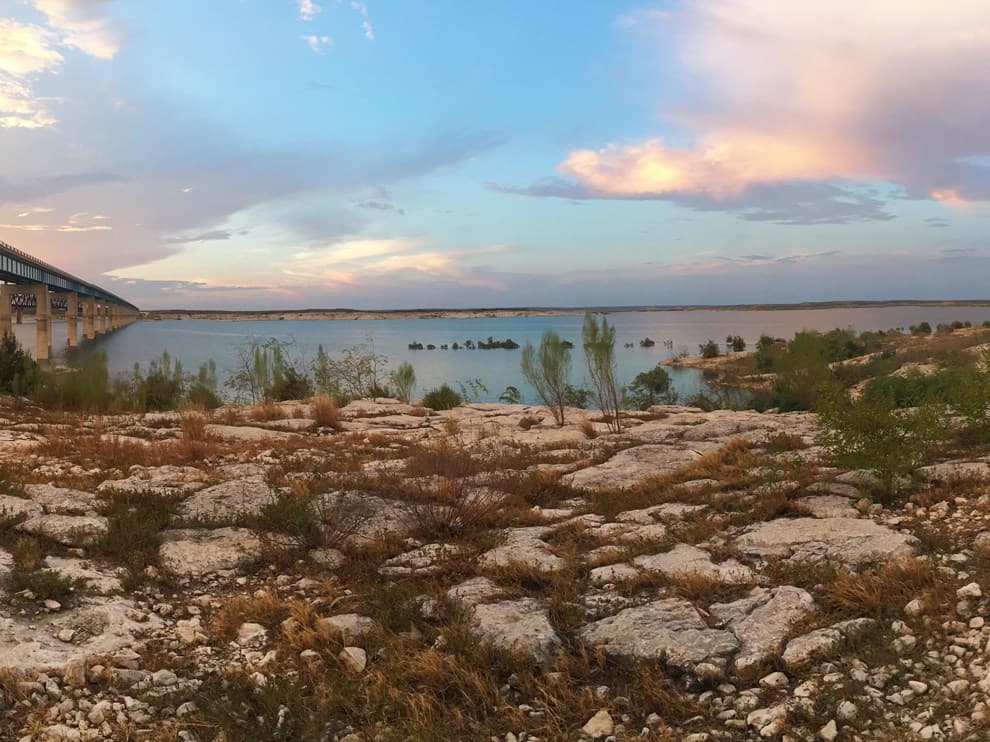
Amistad is not an isolated pond. It is one of Val Verde County’s biggest recreation assets, tied to fishing, boating and weekend use around Del Rio, and aquatic invasive species are a specific local issue at Amistad National Recreation Area.
What happens if the spread is not stopped
Zebra and quagga mussels can damage boats, hurt aquatic life, ruin shorelines, clog water intakes and cost taxpayers millions of dollars. Those costs show up in the real economy of the lake: more cleanup work for marinas, more maintenance on motors and trailers, more time spent scrubbing gear and more inconvenience for anglers trying to get on the water.
Prevention is the only effective long-term strategy because once mussels are established, they are difficult and expensive to control. That is why the service burden falls on visitors before it falls on agencies. Every missed rinse or skipped drain can become a new infestation point, and every new infestation point raises the long-term cost of keeping the reservoir usable.
How the Texas spread reached Amistad
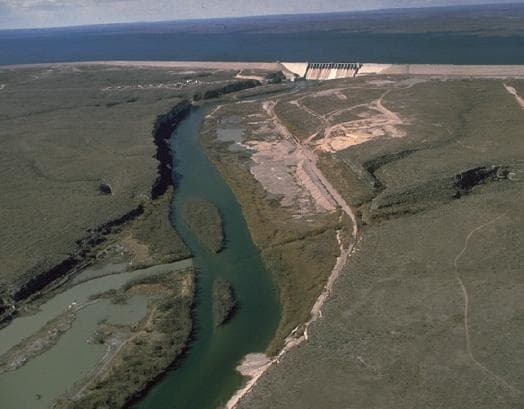
The concern at Lake Amistad is part of a broader west-to-southward spread inside Texas. O.H. Ivie Reservoir and Brownwood Lake were designated infested in 2020 and 2021, and TPWD detected quagga mussels in a Texas reservoir for the first time on Feb. 2, 2022. The state also keeps a zebra mussel monitoring page and threat map to track where the mussels are turning up next.
Amistad sits closer to the front edge of the spread than many longtime Texas lake users realize. A reservoir that serves anglers, boaters and shoreline visitors can turn into a transfer point if one boat arrives dirty, damp or still holding lake water from another water body.
What to check every single trip
- Inspect the hull, trailer and anchor before you leave the ramp.
- Drain live wells and bilges completely.
- Clean off mud, plants and any visible debris.
- Dry ropes, life jackets and other gear before moving to another lake.
- Never transport lake water from one water body to another.
The safest routine at Lake Amistad is simple and repetitive:
This article was produced by Prism’s automated news system from verified source data, official records, and press releases, then run through automated quality and moderation checks before publishing. The system is built and supervised by the people who set the standards it runs under. Read our full AI policy.
Did this article answer your question?