Laughlin Air Force Base names new 47th Student Squadron commander
Laughlin’s 47th Student Squadron changed commanders July 10 as more than 400 student aviators and nearly 80 simulator instructors kept the training pipeline moving.
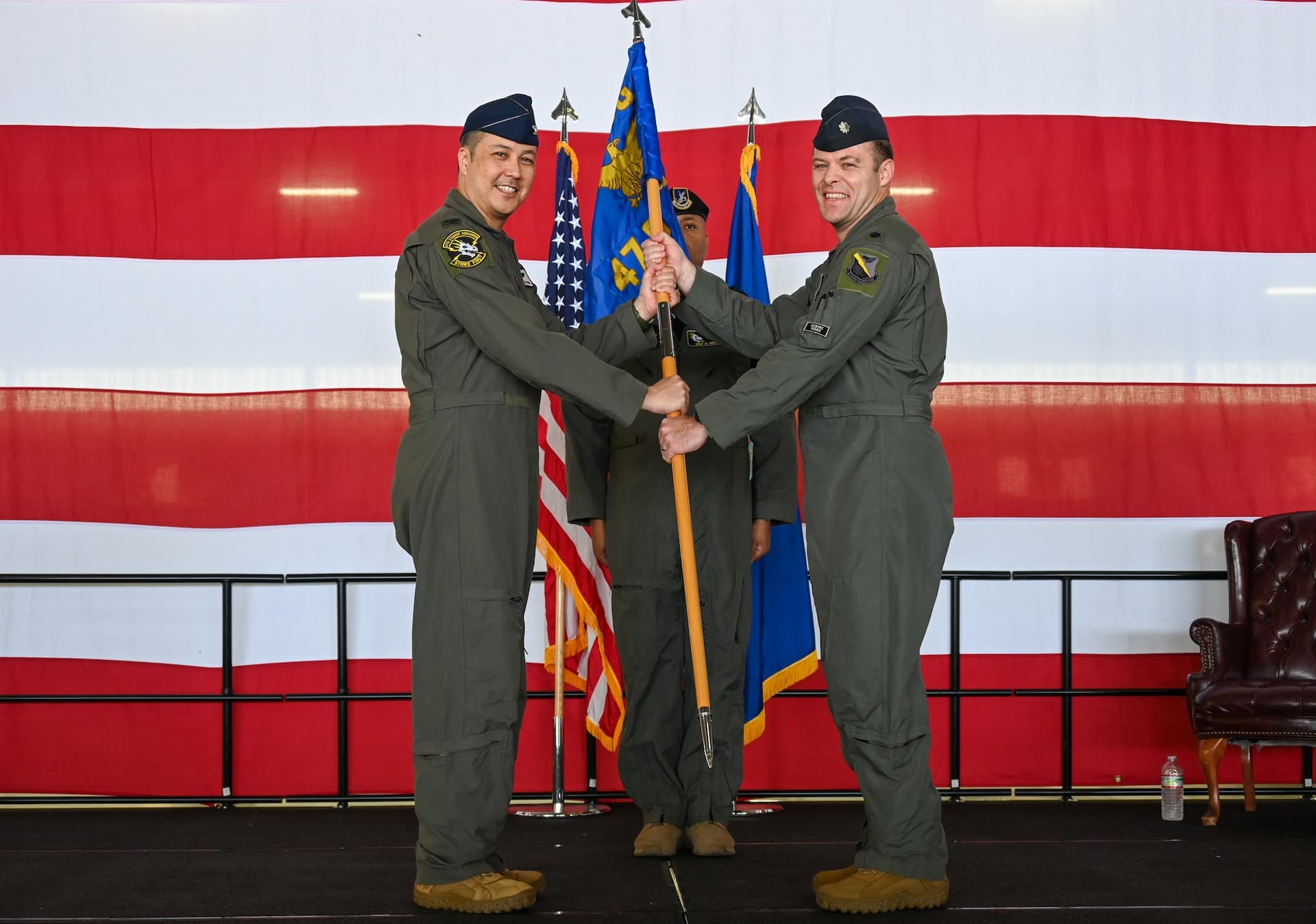
Lt. Col. Dane Coppini took command of the 47th Student Squadron on July 10 in Del Rio. Lt. Col. Aaron Borszich stepped down during the formal change of command ceremony, which Col. Richard Greig, commander of the 47th Operations Group, presided over.
The 47th Student Squadron supports more than 400 U.S. and international students in Specialized Undergraduate Pilot Training, oversees more than 200 additional students waiting for pilot training or moving to their next assignments, and manages nearly 80 civilian simulator instructors who deliver more than 40,000 hours of simulator instruction a year.
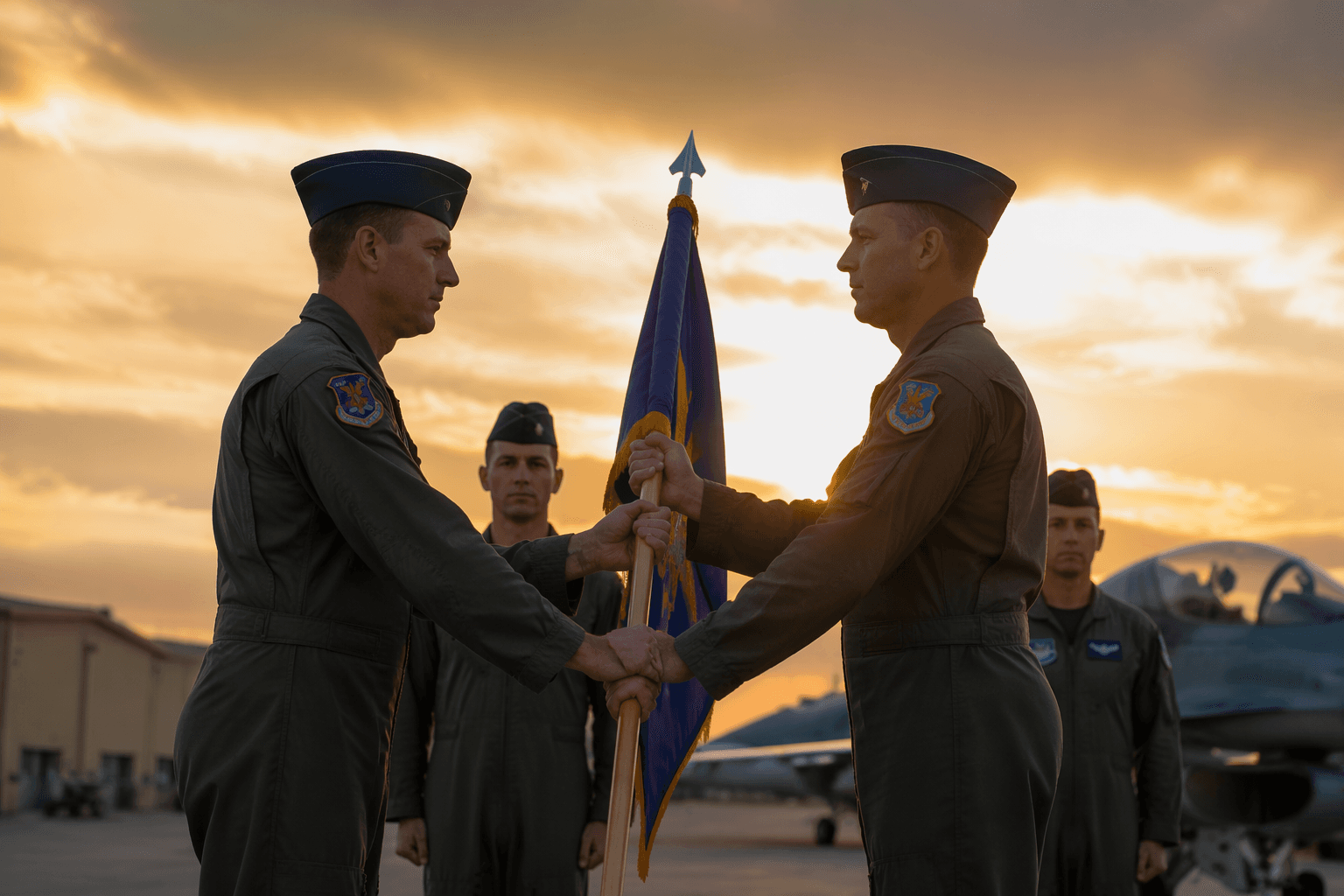
The 47th Operations Group, which includes three flying training squadrons, an operations support squadron and the student squadron, is responsible for training U.S. Air Force and allied nation pilots in Undergraduate Pilot Training. Student pilots fly nearly 100 hours in the T-6A Texan II, spend more than 60 hours in simulator and augmented reality training, and, for those headed to fighter or bomber aircraft, move on to about 100 more hours in the T-38C Talon.
The squadron was activated at Laughlin on Dec. 2, 2011, but traces its roots to the 47th STURON, constituted on March 22, 1972. At its peak, the unit graduated 461 students in 1982 and has produced more than 6,398 student pilots over 18 years. The squadron also once managed 156 foreign students in 1979, including 121 Iranian students, before that training ended in November 1979 during the Iranian Hostage Crisis.
Greig took command of the 47th Operations Group on June 18, 2026, and leads 1,100 active-duty, civilian and reserve personnel. In fiscal year 2025, Laughlin graduated 480 students across both training platforms and flew 38,245 sorties totaling 51,875 hours.
This article was produced by Prism’s automated news system from verified source data, official records, and press releases, then run through automated quality and moderation checks before publishing. The system is built and supervised by the people who set the standards it runs under. Read our full AI policy.
Did this article answer your question?