Seminole Canyon reveals Val Verde County’s ancient rock art history
Fate Bell Shelter turns Seminole Canyon into Val Verde County’s best outdoor classroom, with guided pictograph access, 200-plus rock-art sites and heat planning.
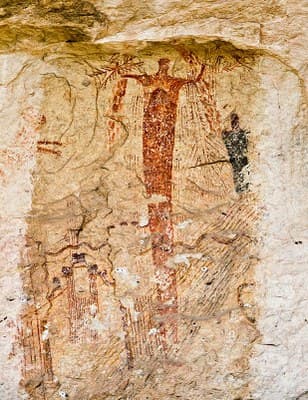
Fate Bell Shelter turns Seminole Canyon State Park and Historic Site into Val Verde County’s most useful outdoor classroom, where a guided walk leads straight to hundreds of pictographs on limestone walls. For a first-time visitor from Del Rio, the payoff is not just scenery along the Rio Grande near Comstock, but a close look at the region’s earliest residents through art that has survived for thousands of years.
Why Seminole Canyon matters
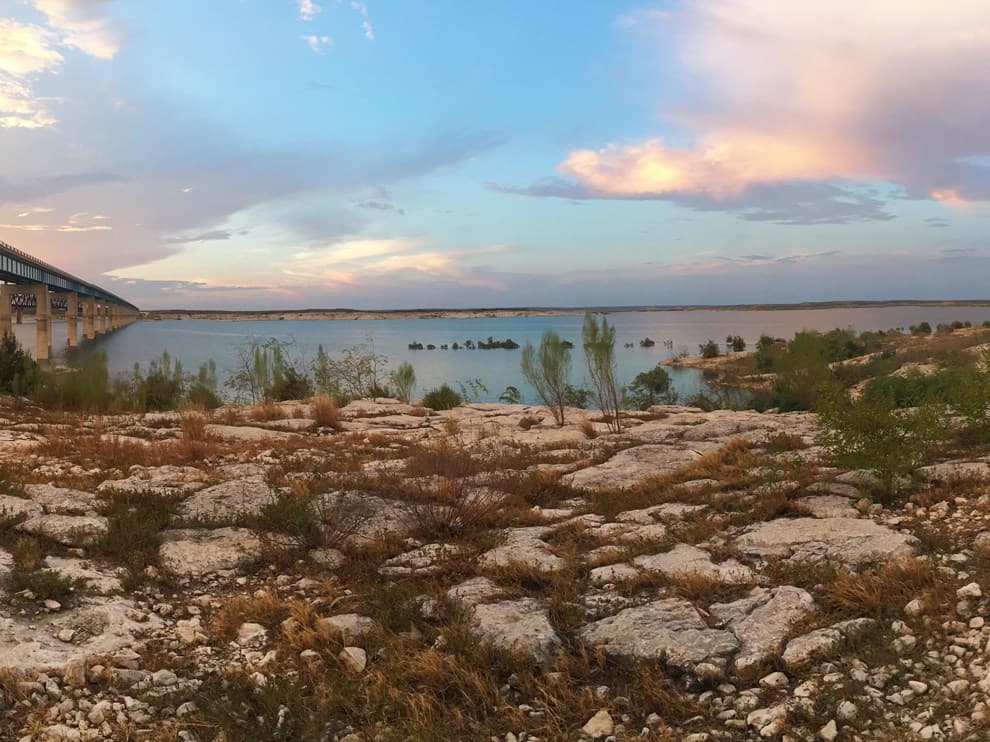
Seminole Canyon sits in the Lower Pecos Canyonlands, one of the most important rock-art landscapes in Texas, and the park’s setting explains why the place feels so distinct the moment you enter it. Texas Parks and Wildlife says the park is along the Rio Grande near Del Rio, and its 2024 video description says rock artists from 7,000 years ago still left their mark here, along with more than 200 pictograph sites spread across the park.
That matters because the canyon is not just a backdrop for hiking. It is a protected cultural landscape where geology, archaeology and public access meet, and Texas Parks and Wildlife says the state park system has been protecting Texas’s natural and cultural beauty since 1923. Seminole Canyon fits that mission tightly: dramatic walls, desert wildlife and a finite archaeological record all sit in one place.
Fate Bell Shelter is the anchor
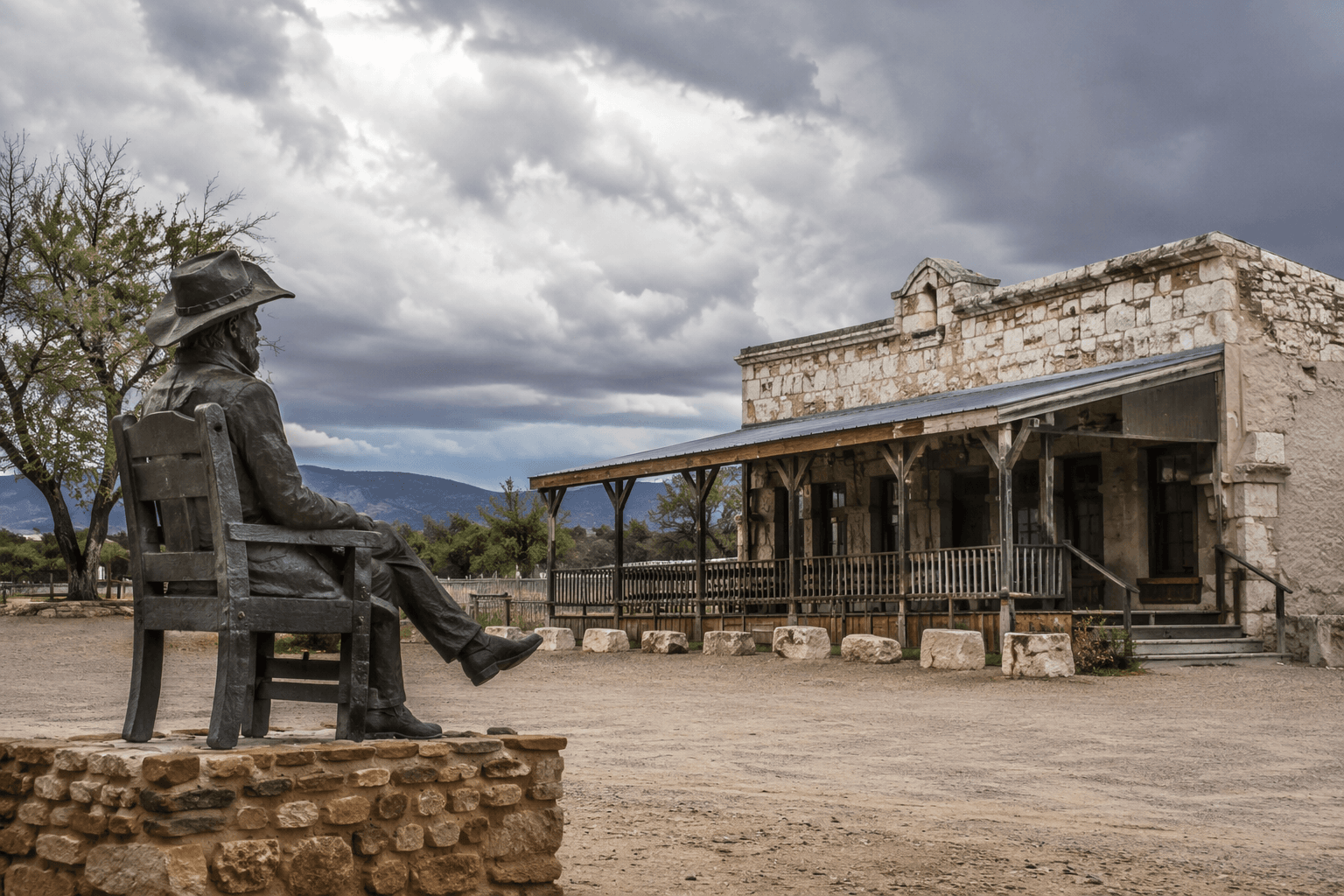
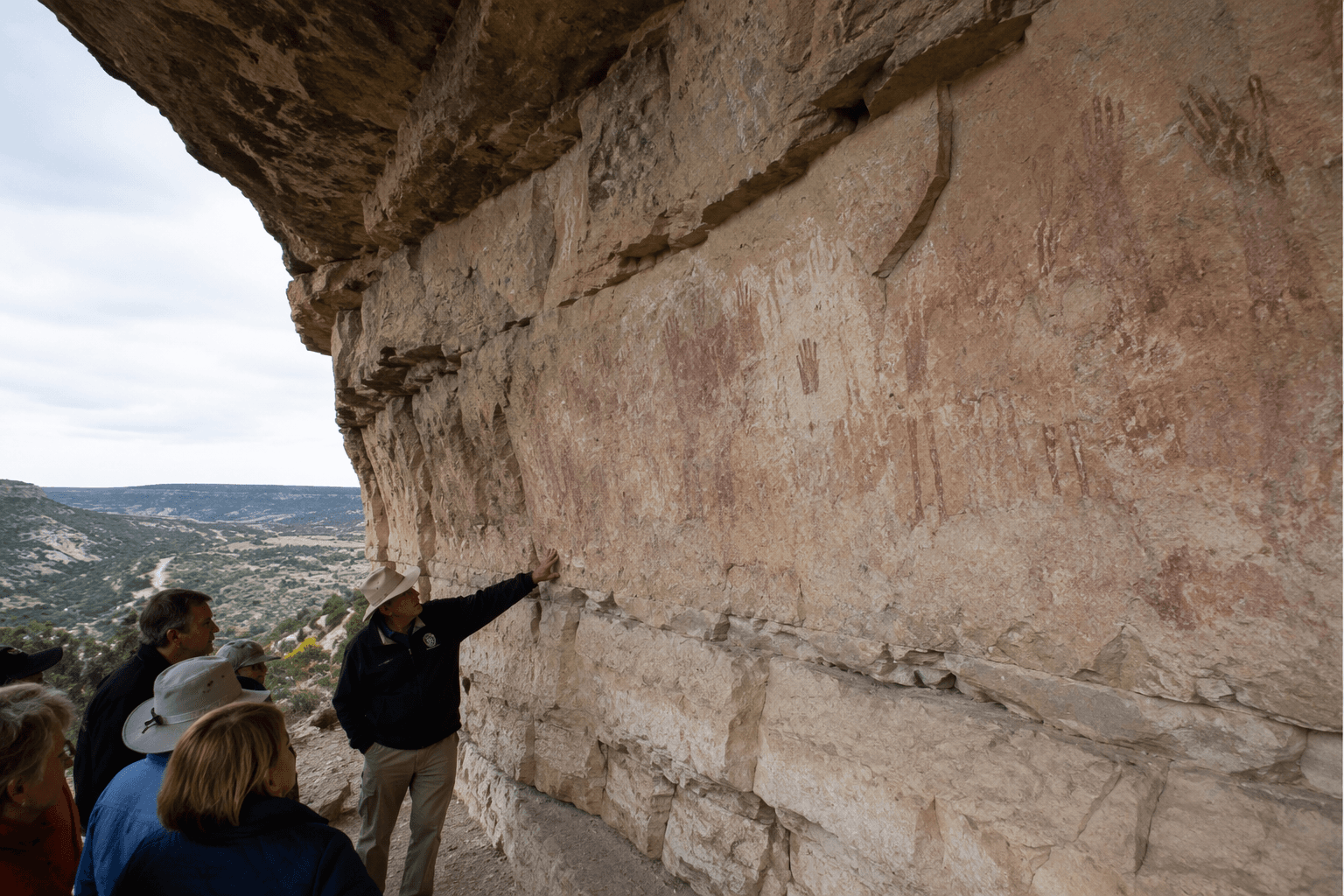
Fate Bell Shelter is the site that makes Seminole Canyon feel immediate instead of abstract. Texas Beyond History identifies it as one of the largest rockshelters in the Lower Pecos, and the shelter walls are covered with hundreds of pictographs, making it one of the clearest windows into the region’s prehistoric past.
The site’s history also explains why it is handled carefully today. A.T. Jackson partially excavated Fate Bell Shelter in 1932, Mark Parsons briefly tested it in 1963, and much of the cave was churned up by looters before it was protected inside Seminole Canyon State Park. What visitors see now is not a museum display but a real archaeological site, preserved because the record it holds cannot be replaced.
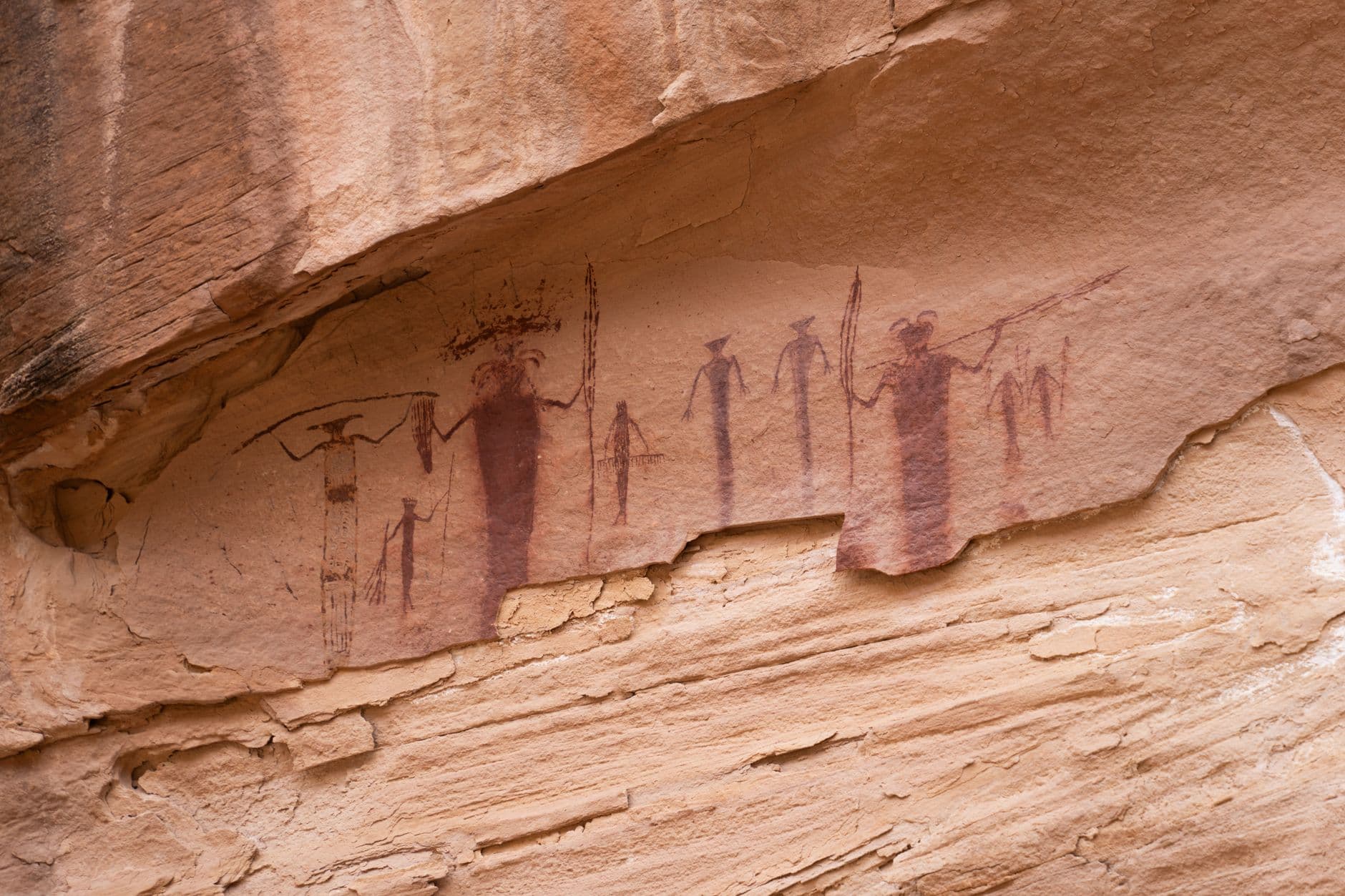
That is why the shelter works so well as a guide for first-timers. The paintings are not there to decorate a wall; they are a record of people who lived in the canyon thousands of years ago, and Texas Monthly has described the rock art there as millennia old. Seen that way, the canyon becomes less about a scenic stop and more about reading the oldest chapters of local history in place.
How to see the rock art
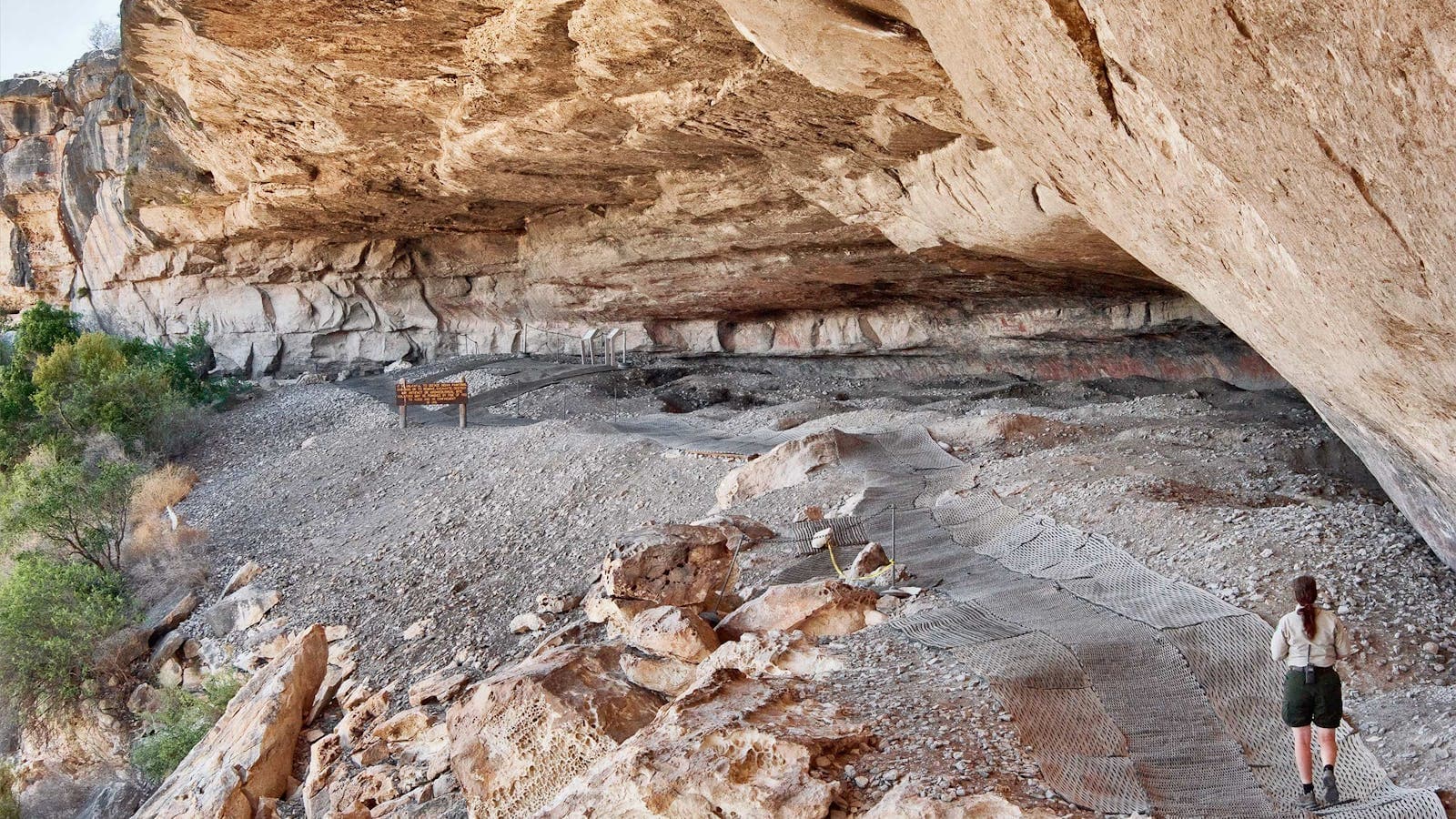
The practical answer is that you do not simply wander up to Fate Bell Shelter on your own. TPWD materials say the shelter can be visited on regular ranger-led tours, and a TPWD social post says reservations are required for guided access and lists the park’s reservation number as (512) 389-8900, with online booking also available.
The park map also makes the access rules plain. Fate Bell Pictograph Site is marked guided tour only, while Panther Cave Pictograph Site has no public access, which is a strong reminder that Seminole Canyon is managed as a protected archaeological site, not an open-air picnic ground with a few old drawings on the side. That controlled access is part of the experience, because the ranger-led format helps visitors understand what they are seeing before they stand in front of the art.
For families and road-trippers, the rest of the park adds enough range to make the trip worthwhile even beyond the shelter tour. The 2024 TPWD description says visitors can recreate on almost 10 miles of trails and see Chihuahuan Desert wildlife, and the trail map lists Canyon Rim Trail at 4.9 miles, Middle Fork Trail at 1.0 mile, Rio Grande Trail at 2.3 miles, Presa Overlook Trail at 0.6 mile, Windmill Nature Trail at 0.5 mile and Birding Trail at 0.1 mile.
A simple visit plan looks like this:
- Book the Fate Bell Shelter tour first, since guided access is required.
- Build the rest of the day around one longer trail and one shorter trail, rather than trying to cover everything.
- Treat the rock-art stops as the core of the visit and the hikes as the way to understand the canyon landscape around them.
Heat safety and timing
Seminole Canyon is beautiful in the same way it is demanding. An Outdoorsy guide on the park says temperatures can rise above 100 in the summer, and that is enough reason to treat any warm-weather visit as a heat-planning exercise, not a casual stroll.
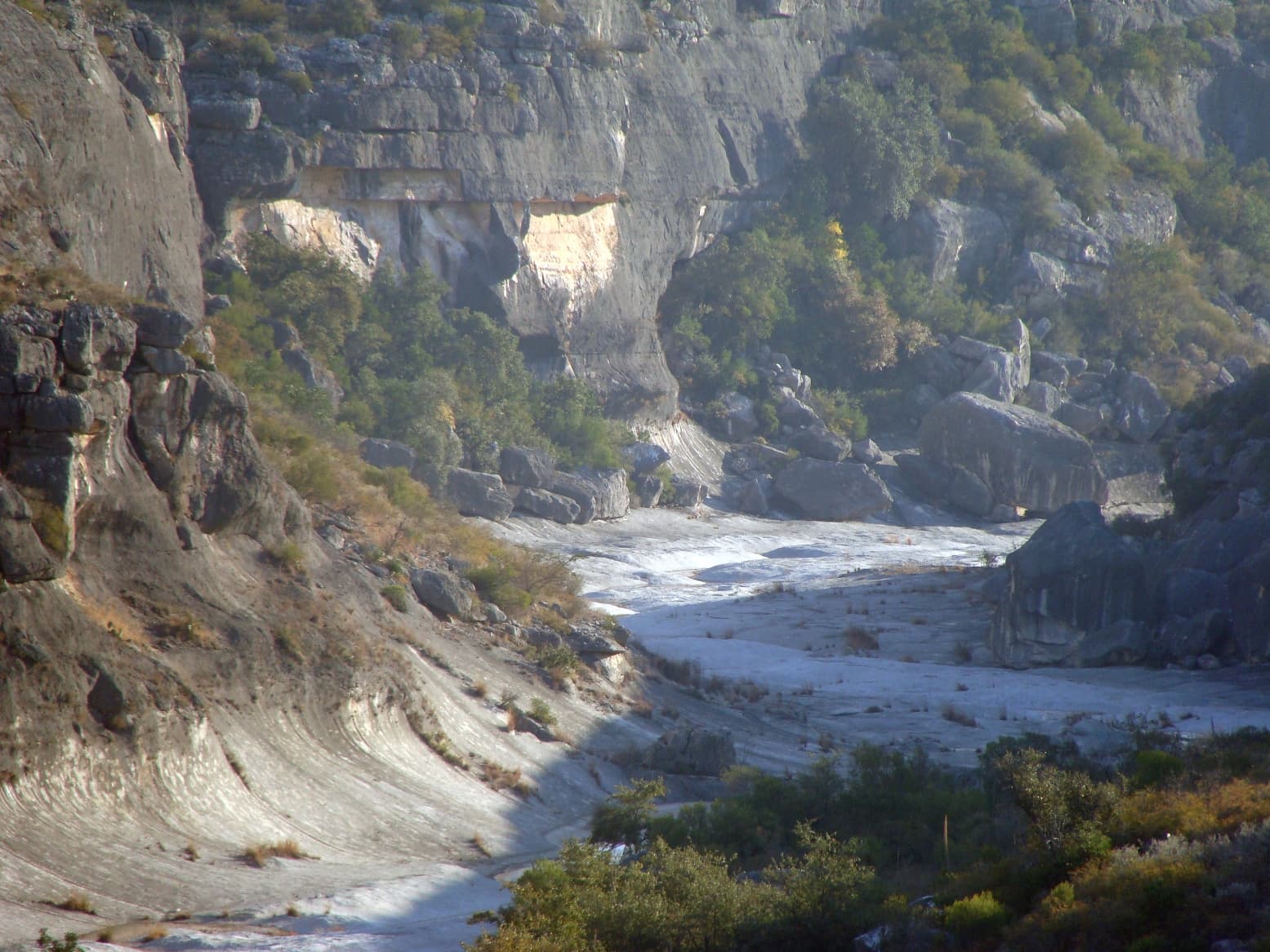
That means the best first visit from Del Rio is one that starts early, with more water than you think you will need and a realistic plan for shade and pacing. The canyon country can be punishing in midsummer, but it becomes much easier to enjoy once the day is built around the heat instead of fighting it.
Shumla, the Comstock-based organization focused on preserving and educating about Lower Pecos rock art, reinforces why that care matters. Seminole Canyon is not just a place to look at ancient paintings, it is part of an active stewardship landscape where preservation, interpretation and public access all have to work together.
For Val Verde County, that is the point of the park’s appeal: Seminole Canyon gives locals and visitors a direct way to see how early people lived, what they chose to paint and why the canyon walls still matter. The site’s value is not sentimental, it is visible in the shelter itself, in the ranger tours that protect it and in the fact that the art is still there to teach the next visitor something real.
This article was produced by Prism’s automated news system from verified source data, official records, and press releases, then run through automated quality and moderation checks before publishing. The system is built and supervised by the people who set the standards it runs under. Read our full AI policy.
Did this article answer your question?