Val Verde Winery tells Del Rio's story of water and survival
Val Verde Winery still works from its original adobe building, carrying Del Rio’s water history, immigrant roots, and Prohibition-era survival into the present.
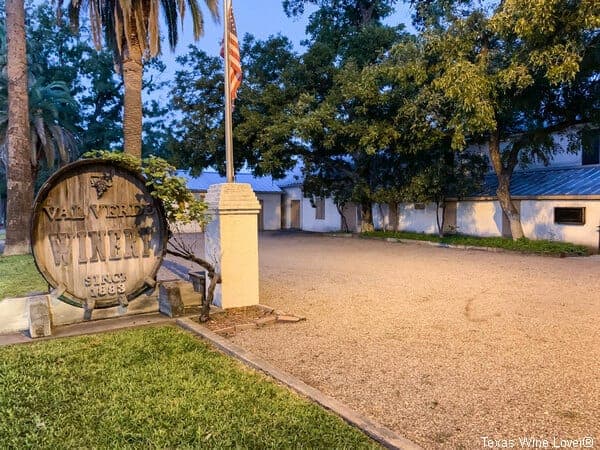
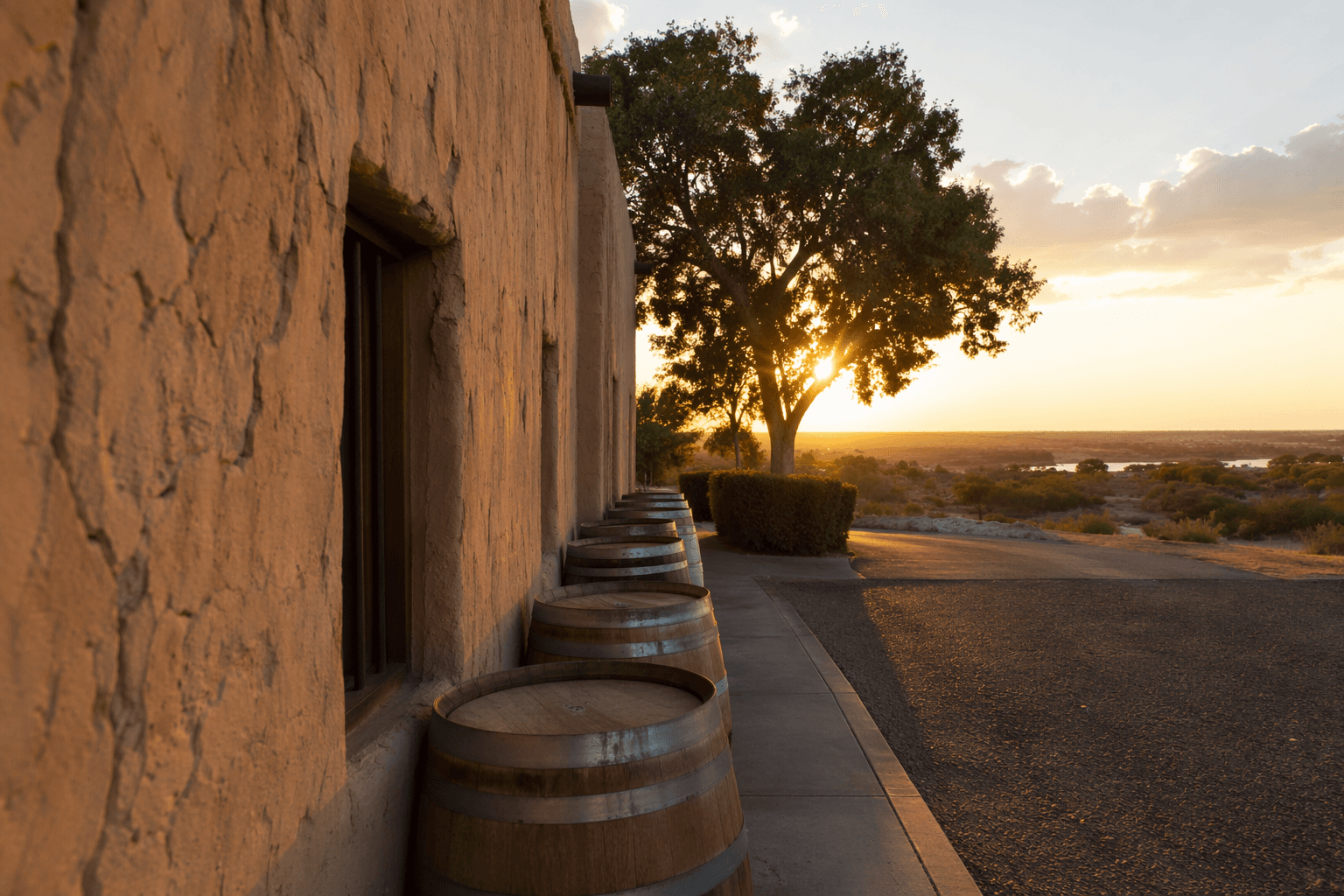
Val Verde Winery stands on the original 1883 farmstead in Del Rio, where thick adobe walls still shelter the cellar and tasting room. Its story is not just about wine; it is about how one immigrant family found land, water, and enough staying power to keep a business alive through Prohibition, border-region swings, and more than a century of change.
How water made the winery possible
Frank Qualia, an immigrant from Milan, Italy, arrived in Del Rio around 1881 or 1882 and bought land in 1883 in the San Felipe del Rio area. The Texas State Historical Association ties his decision to a practical advantage that shaped much of Val Verde County’s early development: inexpensive land and access to surface water. In a place where agriculture depended on moving water into dry ground, that combination made vineyard work possible when it would not have been elsewhere.
The land around San Felipe Creek had already been altered by generations of water management. A Del Rio canal-system marker says Indigenous and Spanish inhabitants used crude irrigation systems drawing from San Felipe Springs and San Felipe Creek, and Anglo-American settlers organized an irrigation group around 1869 to expand that work. The Texas State Historical Association says Qualia’s success came from that same larger system, with dams and irrigation ditches supplying water for farm owners in the creek area. Val Verde Winery therefore belongs to the county’s irrigation history as much as its tasting-room culture.
From truck crops to the first wines
After Qualia acquired the land, he raised truck crops and planted Lenoir grapes for his first wines. That detail matters because it shows the winery began as a working farm first, then a wine operation second, shaped by the realities of South Texas agriculture rather than by any romantic notion of vineyard life. Texas wine-history sources and the winery’s own history page describe the operation as Texas’ oldest continuously operating winery, established in 1883, and as the longest-operating bonded winery in the state.
The family name appears in several forms in historical records, including Quaglia and Qualia, which is common in immigrant family histories that shift spelling after settling in Texas. Local historical materials also place the family inside Del Rio’s small-town growth story: one marker says Qualia came from Milan when Del Rio had about 200 people. The Val Verde County Historical Commission lists his children as John, Chris, Margaret, Charles, Mary Louis, and Jeanne, underscoring how quickly the winery became a family enterprise rather than a one-generation experiment.
Prohibition did not erase the vineyard
The most important reason Val Verde Winery still matters is that it did not disappear when Texas wine making collapsed around it. The Texas State Historical Association says Qualia kept tending the vines after Prohibition and sold table grapes to stay afloat, preserving the vineyard base for the post-Prohibition era. A historical marker says the winery was one of about 25 once operated in Texas and emerged as the only survivor, which gives Del Rio a rare place in the state’s wine history.
That survival turned the vineyard into a bridge between eras. Instead of starting over after Prohibition, the family held on to the land, the vines, and the building, then kept the operation moving forward through changing markets and shifting agricultural conditions in border Texas. In a county where water access, crop choice, and land use have always been tied together, the winery’s persistence reads like a case study in adaptation.
What visitors see today
The winery’s current materials say the property covers about 18 acres, with 13 acres in grape production, while other wine guides place the vineyard at about 12 acres. Even with that small variation, the picture is clear: this is still a working vineyard, not just a preserved site. Current plantings include Lenoir, Blanc Du Bois, and Herbemont, varieties that fit the region’s climate and carry the business forward without losing its regional identity.
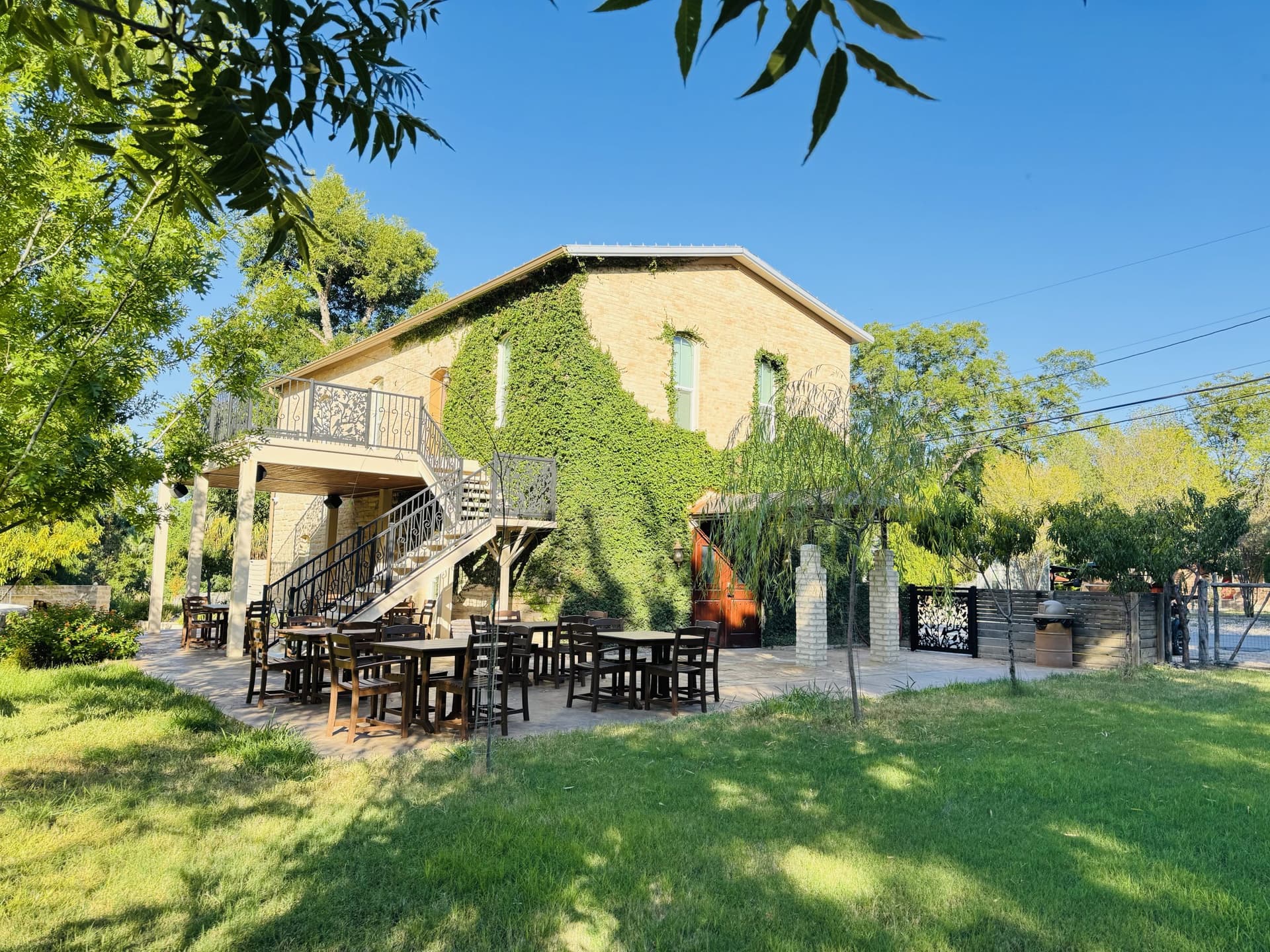
The cellar and tasting room remain in the original 1883 building, which gives the visit its strongest physical link to the past. Thick adobe walls keep the structure grounded in the materials and methods of its era, and the original farmstead setting makes the place feel like part of Del Rio’s old agricultural edge rather than a separate attraction dropped into town. That continuity is one reason Texas Highways describes the winery as occupying the original farmstead of Italian immigrants Francisco and Mary Qualia.
A family business that still defines the place
The family line has not broken. Texas Time Travel identifies Thomas Qualia as a third-generation vintner, and the current winery family includes Michael Qualia and Paige Qualia. That succession matters because the story is not frozen in amber; the same name that entered Del Rio in the 1880s still appears on the business today, carrying the work across generations instead of handing the property to outsiders.
The wines have earned recognition too, with medals stretching from Texas to New York and special attention for Don Luis Tawny Port. Those awards help explain why the winery remains relevant beyond local nostalgia: it is still producing wine that competes outside Val Verde County while staying rooted in the original site. In Del Rio, that combination of heritage and commercial survival is the point.
Val Verde Winery endures because it sits at the intersection of immigrant entrepreneurship, irrigation history, and family succession. In a county shaped by water, the winery shows how land, labor, and inheritance can keep a local institution alive for well over a century.
This article was produced by Prism’s automated news system from verified source data, official records, and press releases, then run through automated quality and moderation checks before publishing. The system is built and supervised by the people who set the standards it runs under. Read our full AI policy.
Did this article answer your question?