Tomé Hill remains a sacred landmark on El Camino Real
Tomé Hill still draws Good Friday pilgrims and stands as a sacred stop on El Camino Real between Belen and Los Lunas. Its year-round access comes with limited conditions and clear etiquette.
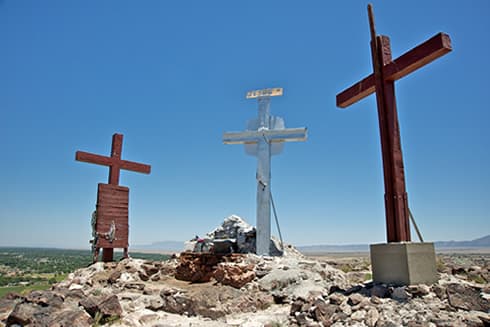
Tomé Hill rises only about 380 feet above the Rio Grande Valley, but it still carries the weight of centuries. Drivers on I-25 between Belen and Los Lunas can spot the lone volcanic rise from miles away, and many locals know it first as a landmark, then as a pilgrimage site, and then as a place with formal preservation history.
Why Tomé Hill still matters in Valencia County
El Cerro de Tomé is the National Park Service name for Tomé Hill, and the agency identifies it as a certified site on the El Camino Real de Tierra Adentro National Historic Trail. That trail linked Mexico City and northern New Mexico, stretched about 1,600 miles, and remained in use for nearly three centuries. The hill sits inside that larger story of travel, religion and exchange, which is why it still reads as more than a scenic rise off the highway.
Its geology helps explain its silhouette, but not its meaning. A public-lands source describes the hill as the remnant of a volcano that erupted about 3.5 million years ago, which is why it stands apart from the flat valley floor. That geologic prominence has made it visible to generations of travelers, and its location near Belen and Los Lunas keeps it visible to anyone moving through the heart of Valencia County today.
A pilgrimage site, not just a viewpoint
The hill’s spiritual identity is strongest on Good Friday, when Christian pilgrims climb Tomé Hill as part of Holy Week observance. KOB described it as one of New Mexico’s sacred places and quoted pilgrim Pam Nicolary saying, “I surrender to God, my experience today and let him guide me up the hill of Tomé.” The climb is part devotion, part endurance, and part public expression of faith.
The summit is marked by three crosses and a shrine, a detail that changes how the place should be approached. KOB has also said hundreds, even thousands, of pilgrims make the Tomé Hill and Chimayó treks every year from all over the state. In one KOB social post, the total for Chimayó and Tomé Hill was placed at as many as 30,000 walkers on Good Friday, a reminder that this is not a private hilltop but a heavily used sacred landscape.
What to expect when you go
INAH lists El Cerro de Tomé as open to the public year-round, but with limited conditions. That matters for anyone treating the hill as a casual hike or photo stop, because the site functions first as a religious and cultural place. The hilltop crosses and shrine should be treated with the same care people bring to any active devotional site.
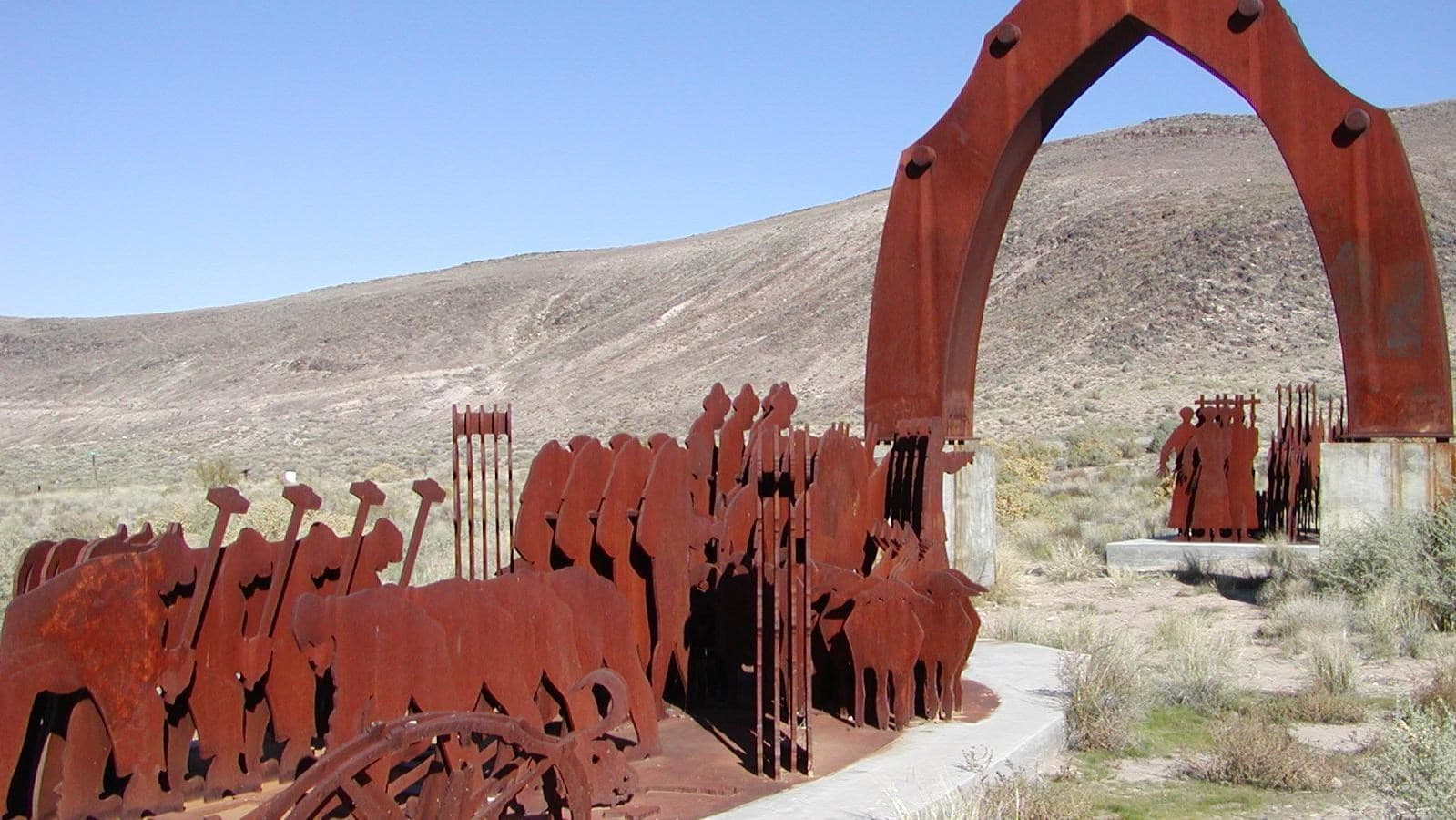
Practical access is shaped by its setting above the valley and by its visibility from the interstate. The approach is straightforward from the Belen and Los Lunas side of the county, but the terrain is steep enough that visitors should plan for a climb rather than a stroll. On Good Friday, KRQE noted that motor vehicle traffic should expect delays, no animals are allowed on the hill, and visitors should not leave additional crosses on the hill.
- Stay on established paths where they exist.
- Treat the crosses and shrine as sacred objects, not scenery.
- Avoid leaving extra items unless a pilgrimage tradition explicitly calls for it.
- Expect crowds and slower access during Holy Week observances.
A respectful visit usually comes down to a few simple habits:
How the site fits into local memory
Tomé Hill is also preserved on paper, not just in devotion. The Tomé Hill Project Archive at the UNM-Valencia Campus Library says it presents archaeological study and historical documentation detailing the history of Tomé since the late 1700s. That archive gives Valencia County a local record of how the hill and surrounding community have been studied, remembered and interpreted over time.
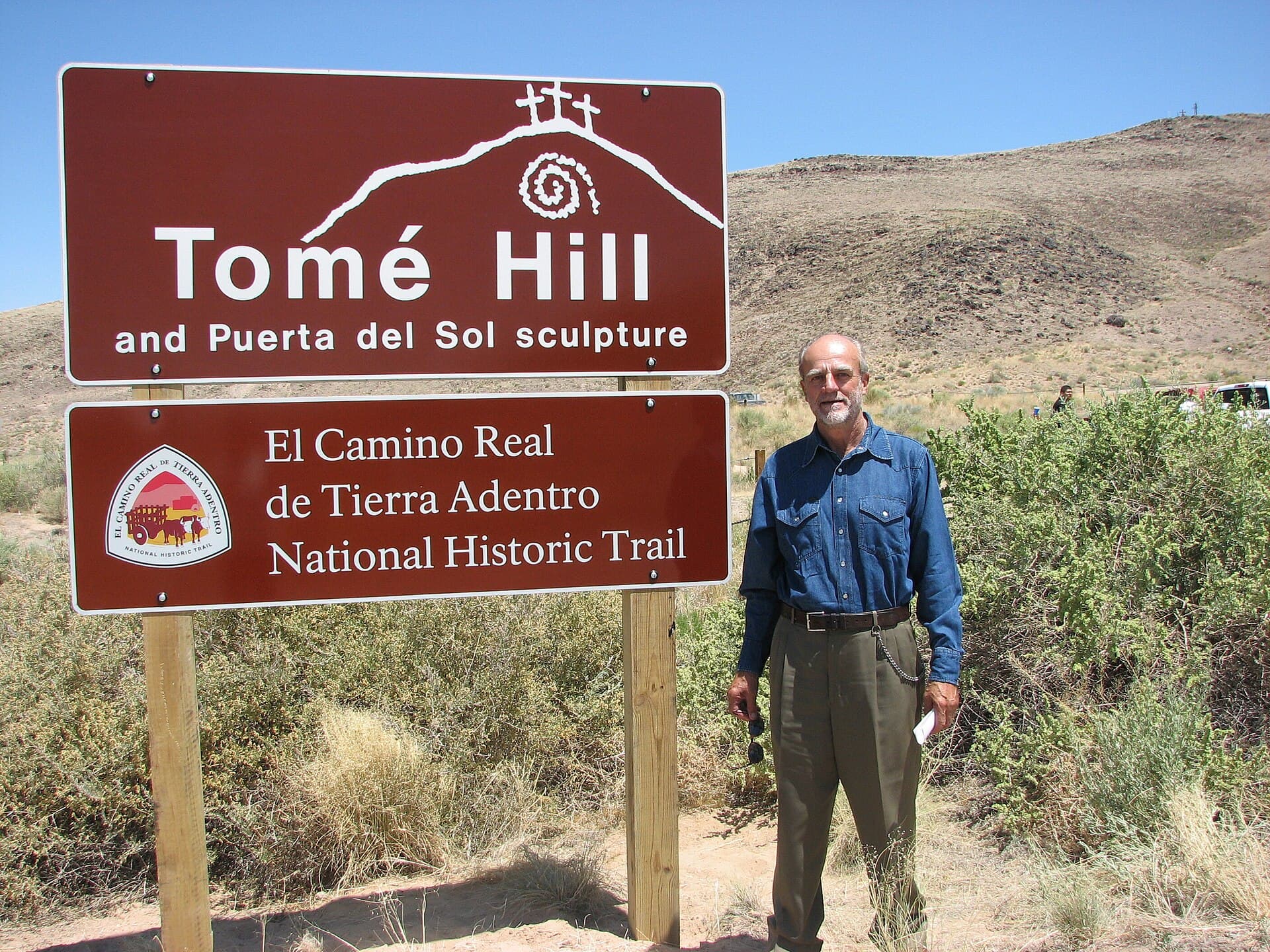
National Register of Historic Places documentation also exists for the property, which adds another layer of official recognition. Taken together, the archive and the preservation record show that Tomé Hill is part of both living tradition and institutional memory. It is not simply a site people visit once a year; it is a place the county continues to document and protect.
A landmark that bridges faith, travel and preservation
In April 2025, the New Mexico History Museum blog highlighted Good Friday pilgrimages across the state and placed Tomé Hill within that broader Holy Week tradition. That context matters in Valencia County because the hill is doing several jobs at once: it is a sacred destination, a visible geographic marker, and a certified point on a major historic trail. Few places between Belen and Los Lunas carry that combination so plainly.
That is why Tomé Hill remains part of the county’s civic and cultural landscape, not just its skyline. It is where El Camino Real history, Catholic devotion, volcanic geology and preservation policy all meet in one place, on one rise above the valley.
This article was produced by Prism’s automated news system from verified source data, official records, and press releases, then run through automated quality and moderation checks before publishing. The system is built and supervised by the people who set the standards it runs under. Read our full AI policy.
Did this article answer your question?