Vinton County Schools Gain More Than $600,000 for Special Education
At the Dec. 16 Vinton County Local Board of Education meeting officials detailed an IDEA B special education grant totaling just over $600,000, funds administered from the federal level through the state. The injection of grant dollars primarily covering salaries and fringe benefits reduces pressure on the district general fund and supports programming and staffing flexibility for students with special needs.
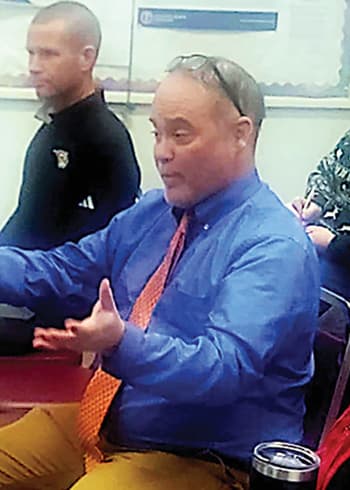
Vinton County Local Schools officials reported to the school board on Dec. 16 that the district will receive just over $600,000 in IDEA B special education funding administered from the federal level through the state. Treasurer Erica Zinn told board members that about 97 percent of the grant dollars are allocated to salaries and fringe benefits for teachers and aides who serve students with special needs, with additional funds set aside for student specific supports.
School leaders framed the grant as a budgetary relief measure that preserves district general fund resources for other priorities. Zinn explained the funding takes pressure off the general fund by covering the staffing costs that are central to delivering federally mandated special education services. Special Education Director Larry Arthur outlined how the grant allows the district to expand innovative programming and to exercise greater staffing flexibility in response to student and parent needs.
The grant’s concentration on personnel costs carries immediate operational consequences. By underwriting the payroll and related benefits of special education staff, the award helps maintain continuity of services for students with individualized education programs. It also stabilizes employment for teachers and aides whose positions are funded through federal allocations rather than local tax revenue. For families, the district’s ability to sustain specialized staffing translates into more consistent access to supports at school.
The fiscal implications extend beyond the classroom. School board members and district administrators must now incorporate the grant into multi year budgeting, recognizing that federal funding levels and state allocations can change. Reliance on a single large grant for nearly all special education staffing raises questions about long term sustainability, and it will require the board to monitor program outcomes closely and plan for contingencies if funding shifts in future years.
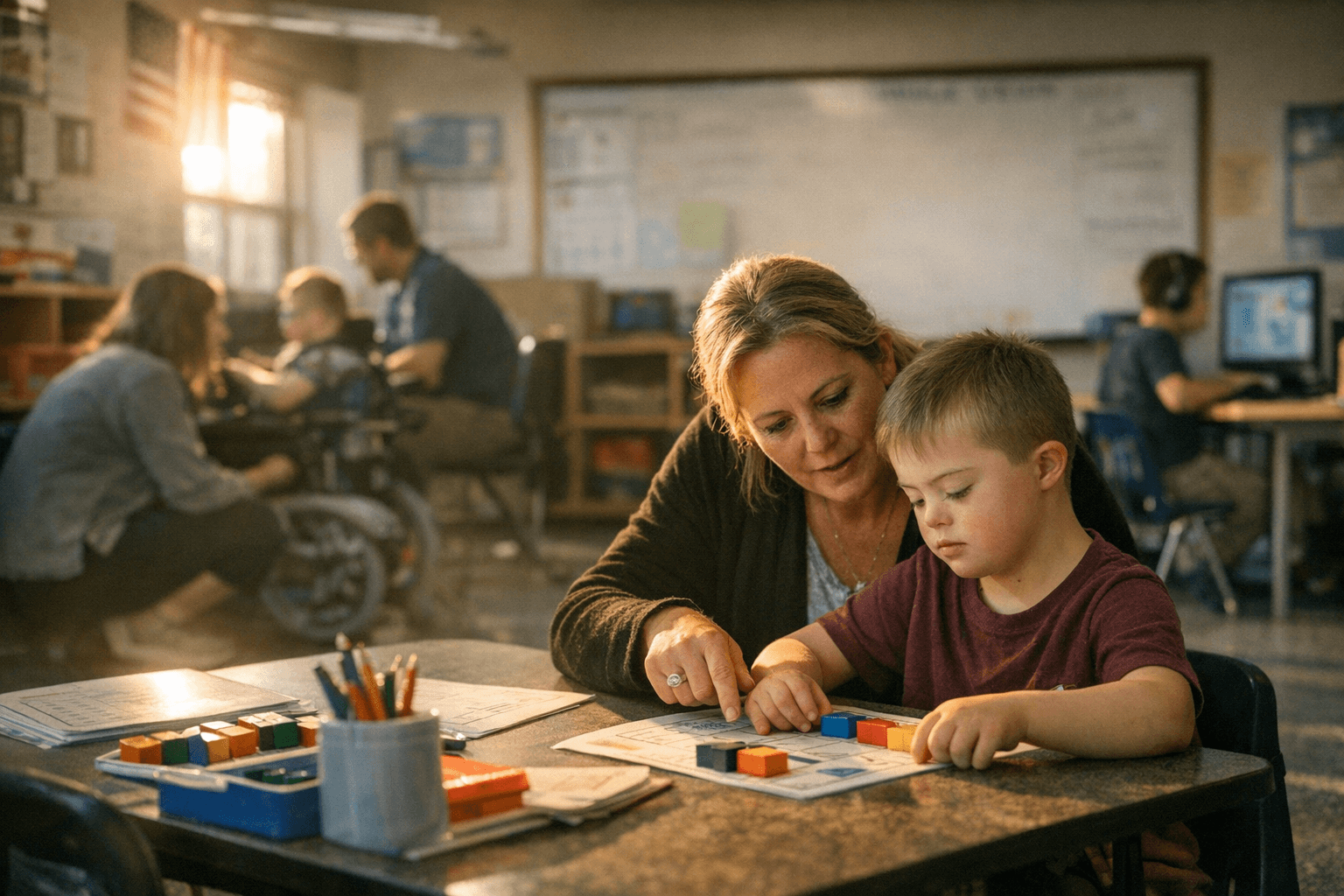
There are political and civic dimensions for county residents to consider. Funding that eases strain on the general fund can influence local spending priorities and the case school leaders make to voters when seeking levies or bond measures. Transparency about how federal grants are used, and how they affect local taxes and services, will be important for public trust and for informed voter participation in school finance decisions.
Superintendent Brad Silvus expressed appreciation for the work being done to serve students with special needs, and the board’s discussion signaled an intent to track how IDEA B funds are deployed. As the district moves forward, local officials will need to balance immediate service needs with a clear strategy for sustaining special education programs over time.
Know something we missed? Have a correction or additional information?
Submit a Tip