Johnston County man charged with laser strikes on medical helicopters
A Smithfield man faces eight felony counts after investigators said he aimed lasers at medical helicopters near Johnston County Regional Airport.

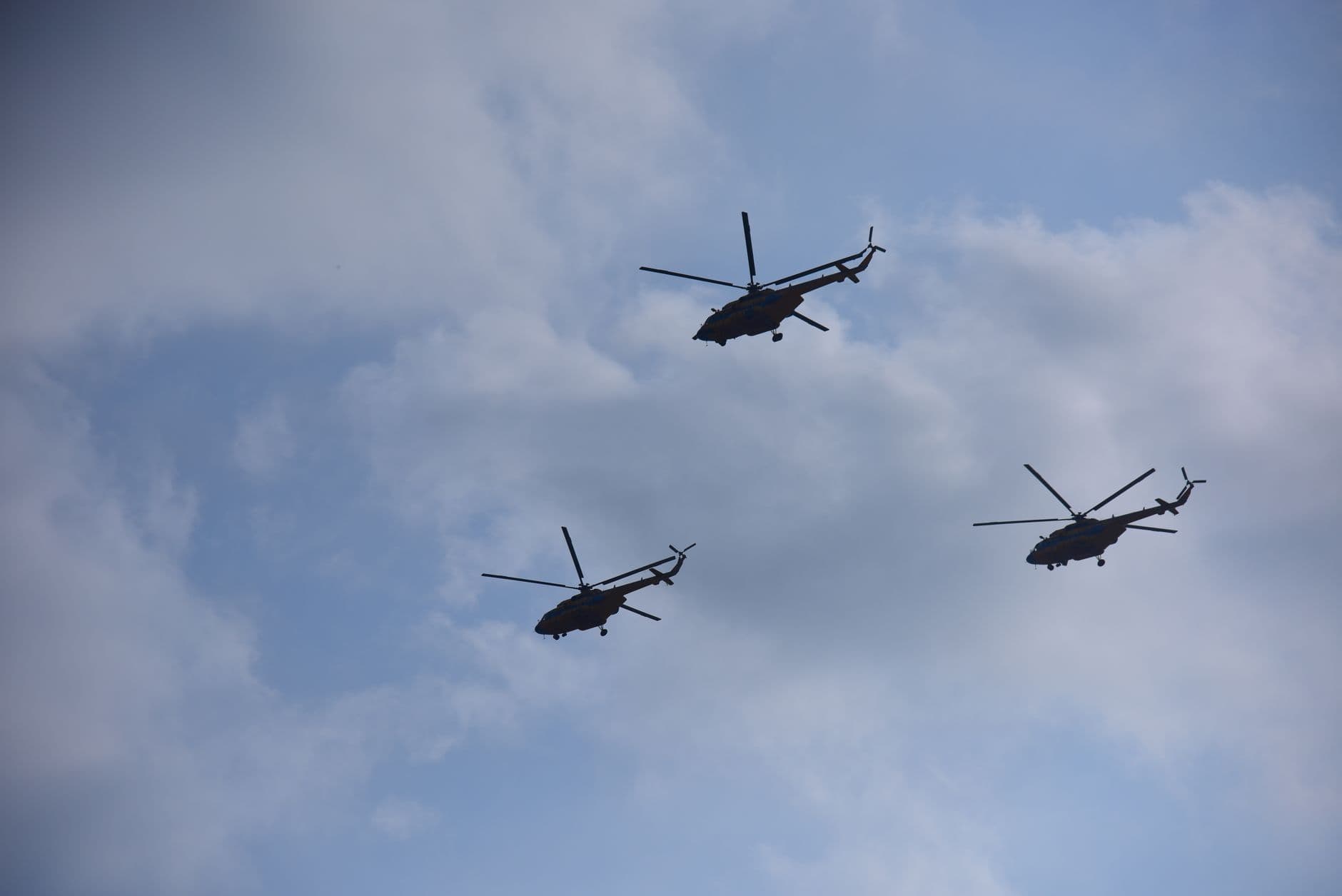
A Smithfield man now faces eight felony counts after investigators said he pointed lasers and high-beam lights at aircraft near the Johnston County Regional Airport, a move that could have endangered life-flight missions serving the Raleigh area when every minute counts. The case puts a spotlight on how quickly an emergency transport chain can be disrupted when pilots are forced to fight a sudden blast of light instead of flying patients to care.
Johnston County deputies arrested 49-year-old Alexander Tyson Urtso on Wednesday, May 14, 2026, after investigators said the aircraft involved included Duke Life Flight and the Johnston County Sheriff's Office. Authorities said the case remains under investigation.

Duke Life Flight is a CAMTS-accredited critical care and emergency air and ground transport agency based in Durham that serves North Carolina and surrounding states. In a region where helicopter transports can shave critical time off trauma response, any interference with a flight path raises the risk not just to crews in the air, but to patients waiting on the ground for urgent transport.
The Federal Aviation Administration says pointing a laser at an aircraft is a federal crime and warns that laser strikes can incapacitate pilots. FAA data show pilots reported 10,993 laser strikes in 2025, down from 12,840 in 2024, underscoring that the danger remains widespread even as the number dipped year over year.

Laser incidents have become a recurring aviation safety problem because the beam can distract, blind or temporarily disable a pilot during takeoff, landing or low-altitude flight. For medical helicopters that often operate close to the ground and in fast-moving emergency conditions, that threat can carry immediate consequences for the aircraft, the crew and the patient being rushed to care.
Urtso’s arrest adds another local example of how a single act near an airport can ripple far beyond one night’s flight path. For Duke Life Flight and other emergency responders in Johnston County and the wider Triangle, the case raises the same question aviation safety officials keep returning to: whether enough is being done to protect aircraft that people in crisis depend on most.
This article was produced by Prism’s automated news system from verified source data, official records, and press releases, then run through automated quality and moderation checks before publishing. The system is built and supervised by the people who set the standards it runs under. Read our full AI policy.
Did this article answer your question?