Raleigh crime drops, but traffic deaths rise sharply in second quarter
Raleigh’s second-quarter numbers show violent crime and property crime down 1%, but traffic deaths jumped from nine to 15 and motor vehicle theft rose 5%.
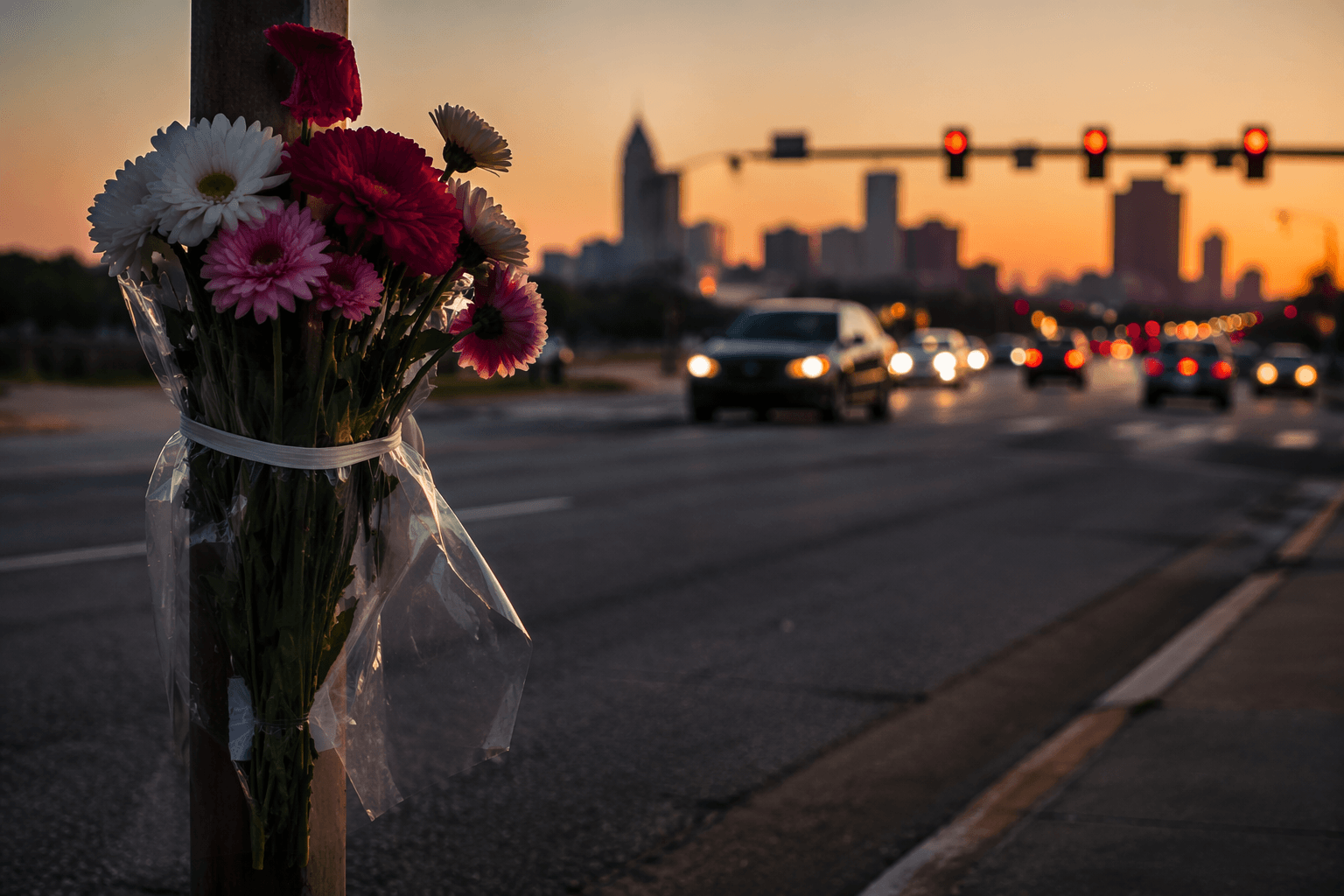
Raleigh police updated its crime data page July 10 with second-quarter figures that show violent crime and property crime each fell 1% from the same period last year. The same report also shows a sharper danger on the roads, where traffic fatalities climbed 67%, from nine deaths last year to 15 in this quarter.
The decline in violent crime included fewer homicides and robberies. Homicides fell from six to four, robberies dropped 14%, and residential and commercial burglaries were also down. That gives Raleigh a cleaner picture in the categories that usually drive the loudest public debate, even as the city still faces a stubborn theft problem and a deadlier roadway picture.
Motor vehicle theft rose 5%, adding another strain to a public-safety landscape shaped by growth. Raleigh says it is the second-fastest growing large metro area in the United States, and the city’s Vision Zero materials tie that growth to the need for stronger roadway safety efforts. Its Safe Streets for All Comprehensive Safety Action Plan sets a goal of zero fatal and serious-injury crashes by 2045 and calls for a 25% reduction in those crashes every five years.
The stakes are clear in North Carolina, where the state recorded 1,755 traffic deaths in 2021, a record at the time, according to the city’s Vision Zero page citing the National Highway Traffic Safety Administration. For Wake County residents, that means Raleigh’s safety picture can no longer be read only through street crime. A quarter with fewer homicides and robberies still leaves deadly crashes, car thefts, and the everyday risks that come with denser neighborhoods, heavier commuting, and constant construction.
Raleigh police say the crime figures are published to keep the public informed about crime trends in the community, and residents can track year-to-year and neighborhood-level changes through CrimeMapper and other open-data tools. Chief Rico Boyce, who began his law-enforcement career in 2000 in the Raleigh Police Department’s 76th Police Academy and was promoted to chief on March 1, is also overseeing a Summer Action Plan that runs from June 1 through Aug. 31 and focuses on proactive crime prevention, strategic enforcement, and community engagement.
This article was produced by Prism’s automated news system from verified source data, official records, and press releases, then run through automated quality and moderation checks before publishing. The system is built and supervised by the people who set the standards it runs under. Read our full AI policy.
Did this article answer your question?