Education Forward Arizona opens 2026-27 scholarships for Yuma students
Education Forward Arizona opened applications for 2026-27 scholarships to help local students complete postsecondary training; ten Yuma-area students already receive support.
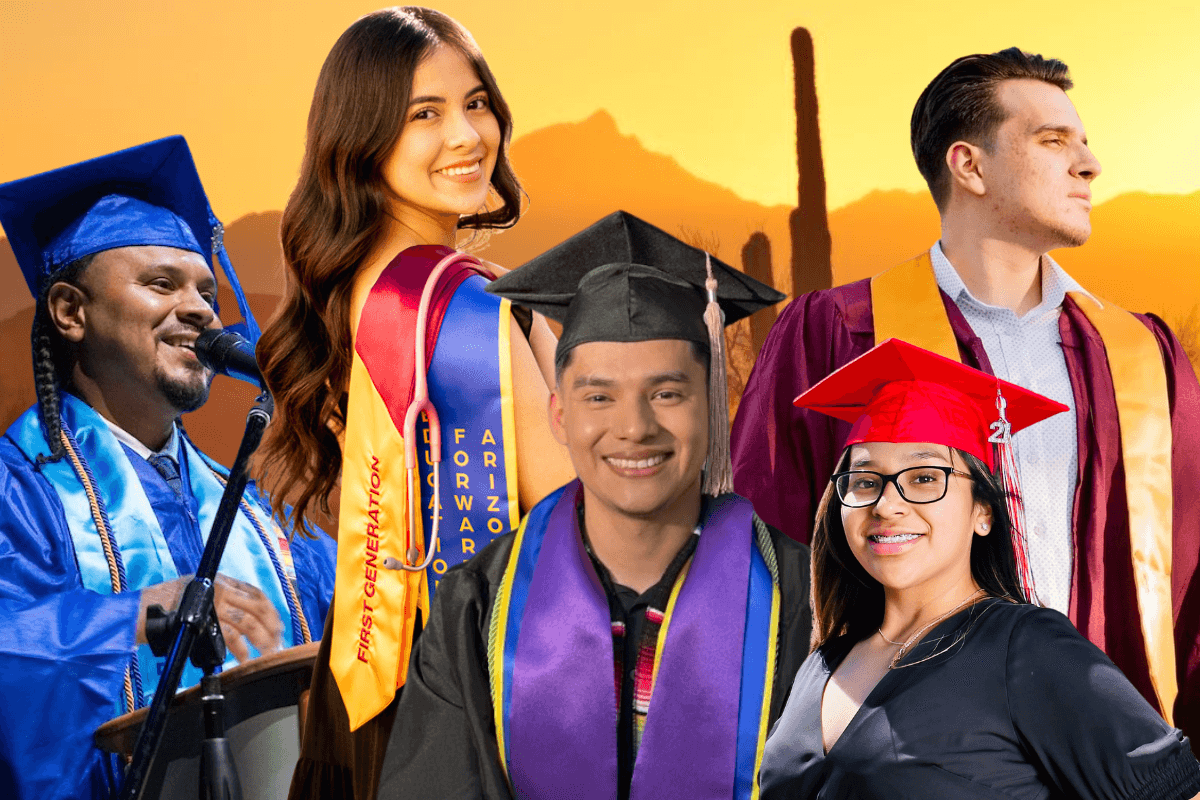
Education Forward Arizona announced Jan. 12 that it has opened applications for its 2026-27 scholarship programs aimed at increasing postsecondary completion in Arizona. The organization said the scholarships are "designed to strengthen Arizona’s workforce by helping students complete education and training beyond high school," a stated objective that links student aid directly to local workforce development.
The scholarship offerings this cycle include three distinct programs. The Education Forward Arizona Scholarship provides up to four years of funding for Pell Grant–eligible students who commit to completing a bachelor’s degree in Arizona; that application window was open Jan. 15 through March 6. The Adelante Scholarship, offered in partnership with Helios Education Foundation and Aliento, supports DACA and Prop 308–eligible students enrolled in community college or university, with applications accepted Jan. 15 through March 22. A Native American Scholarship Program, funded by the Freeport-McMoRan Foundation, supports Native American students pursuing associate, bachelor’s or master’s degrees as well as trade and professional certificates; its application period ran Feb. 1 through April 1.
Locally, the announcement noted that ten students in the Yuma, San Luis and Somerton areas currently receive support from Education Forward Arizona. For Yuma County residents, those awards represent direct investment in local talent pipelines at a time when postsecondary credentials increasingly shape employment prospects. Community colleges, trade schools and local employers stand to be affected if more students complete credentials tied to regional demand.
The program design reflects a broader policy focus on aligning scholarship aid with workforce objectives. Tying eligibility to Pell Grant status concentrates resources on low-income students, while targeted awards for DACA and Prop 308–eligible students and Native American learners address access gaps that have policy and civic implications. Partnerships with foundations and advocacy groups indicate a hybrid funding model that blends nonprofit and philanthropic support to supplement public programs.

For local institutions and policymakers, the scholarships raise questions about capacity and retention. Increasing the number of students who enroll is only one step; ensuring they can persist to degree or certificate completion will require coordination among colleges, employers and community services. Tracking outcomes in Yuma, San Luis and Somerton will be essential to measuring whether these awards translate into sustained workforce gains.
For prospective applicants and community stakeholders, the immediate significance is practical: application windows differ by program and eligibility rules vary. The broader significance is institutional, how local higher education and workforce systems absorb and support additional students will determine whether the scholarships meet their stated workforce goals. Follow-up reporting will track application uptake in Yuma County and whether scholarship recipients complete credentials that feed the county’s labor market.
This article was produced by Prism’s automated news system from verified source data, official records, and press releases, then run through automated quality and moderation checks before publishing. The system is built and supervised by the people who set the standards it runs under. Read our full AI policy.
Did this article answer your question?