New Health Careers Center announced for Yuma, construction to expand training
Arizona Western College and Onvida Health held a ceremonial groundbreaking on November 13, 2025, to launch a 60,000 square foot, two story Health Careers Center in Yuma. The facility is designed to expand local training capacity, address healthcare workforce shortages, and retain health professionals in Yuma County.
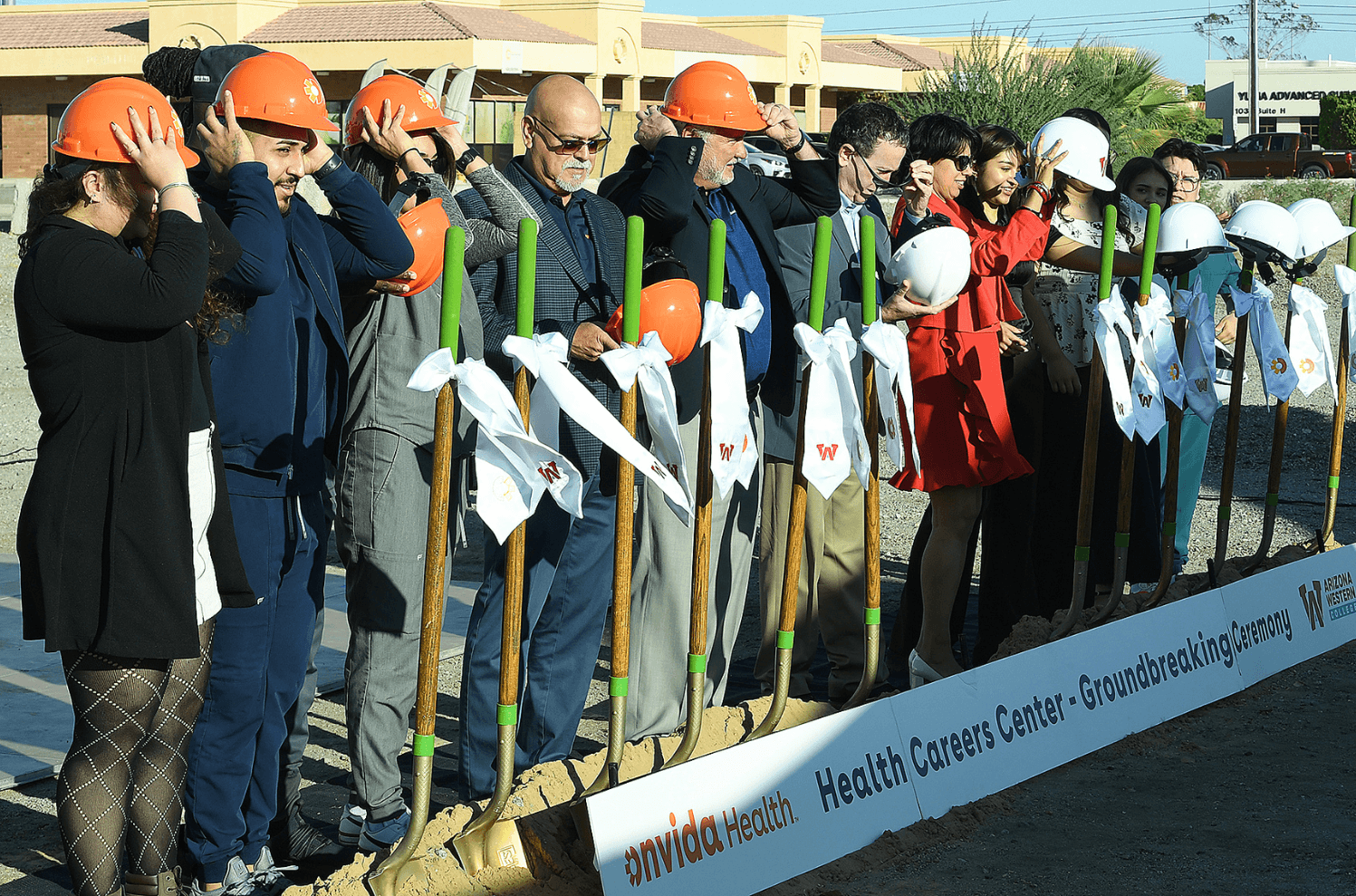
Arizona Western College and Onvida Health announced on November 13, 2025, a partnership to build a 60,000 square foot, two story Health Careers Center in Yuma. The organizations held a ceremonial groundbreaking and released project details that position the new facility as a major investment in local workforce development and healthcare access. Construction was scheduled to be completed in late 2025, according to the announcement.
The center is planned to include a cutting edge simulation lab for hands on clinical skills training. The release specified practical competencies to be taught in the lab, including vital signs, catheterization, IV insertion, and patient evaluation. The project aims to expand training capacity so students can prepare locally for high demand healthcare positions and remain in the region after completing their education.
Leaders from Onvida and Arizona Western framed the facility as a strategic response to regional workforce shortages, and as a way to strengthen education to career pathways. The partnership combines AWC’s role as a community college training local students with Onvida’s participation as a health sector partner. The release described the center as a way to build a skilled local healthcare workforce and to support healthcare access across Yuma County.
For residents, the new center could affect both short term and long term access to care. More training slots and hands on learning opportunities can increase the number of qualified entry level and technically trained clinicians available to hospitals, clinics, and long term care facilities. Local training reduces the need for students to travel long distances for clinical education, which can improve retention of talent in rural and border communities that have historically struggled to keep medical staff.
The project also raises institutional and policy considerations. Local health providers will need to coordinate clinical placements and hiring pipelines to absorb graduates. Sustaining expanded capacity will depend on ongoing funding, accreditation, and alignment with employer needs. County officials, educational leaders, and health systems will need to track enrollment, graduate placement, and workforce outcomes to measure whether the center reduces staffing shortages and expands access in underserved areas.
The announced timeline, with construction scheduled for completion in late 2025, suggests an expedited build and an early start to program implementation. As the project moves from groundbreaking to operation, community stakeholders will face decisions about program offerings, clinical partnerships, and how best to translate new training capacity into measurable improvements in local health services.
Know something we missed? Have a correction or additional information?
Submit a Tip