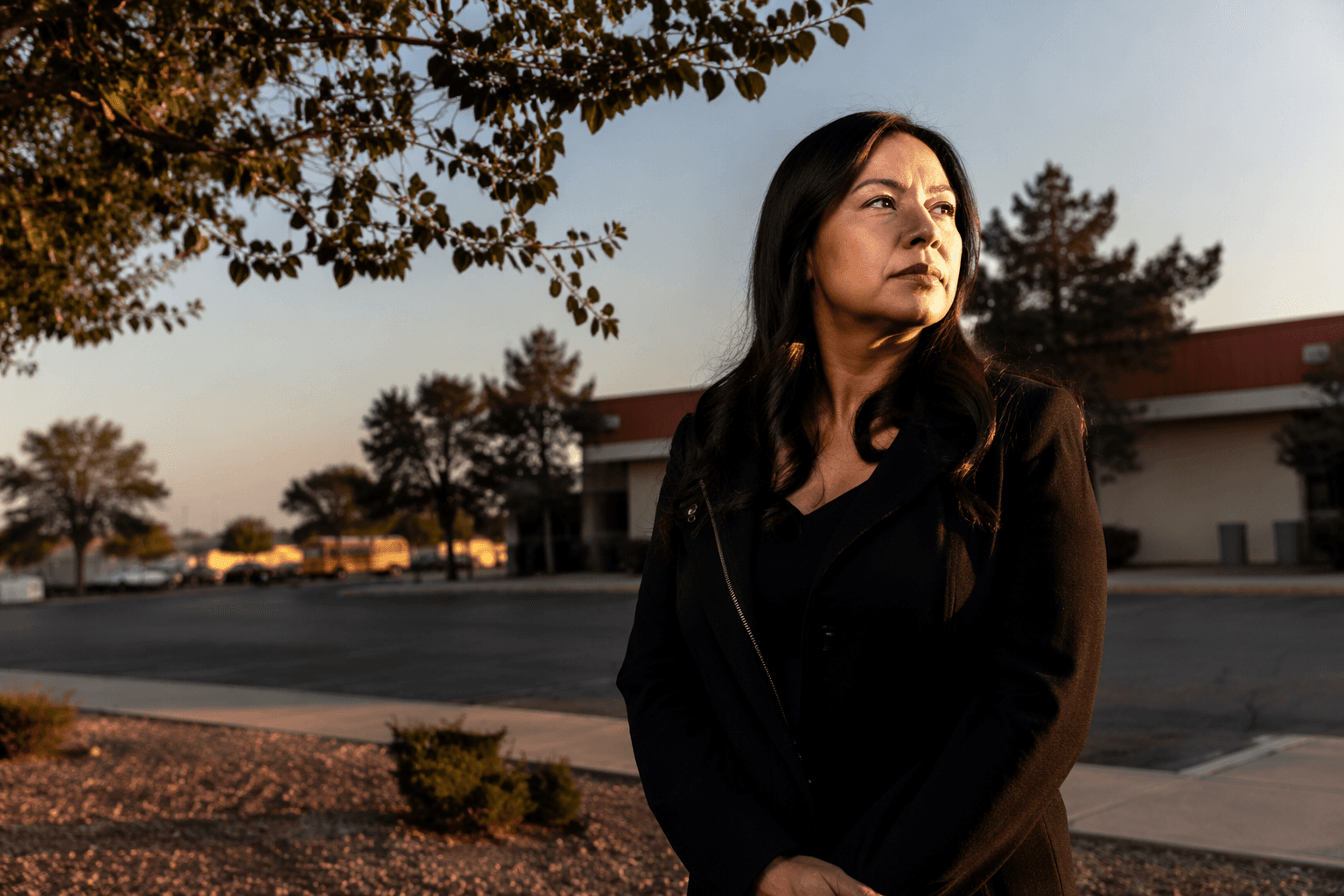
University of Arizona leaders visit Yuma station to expand ag education
University of Arizona deans and officials toured the U of A Cooperative Extension and agricultural experiment station in Yuma on Jan. 7, 2026, to review local research, extension services, and funding needs. The visit highlighted opportunities to expand internships, upper-division classes and degree offerings tied to the land-grant mission, moves that could strengthen Yuma's agricultural workforce and local economy.
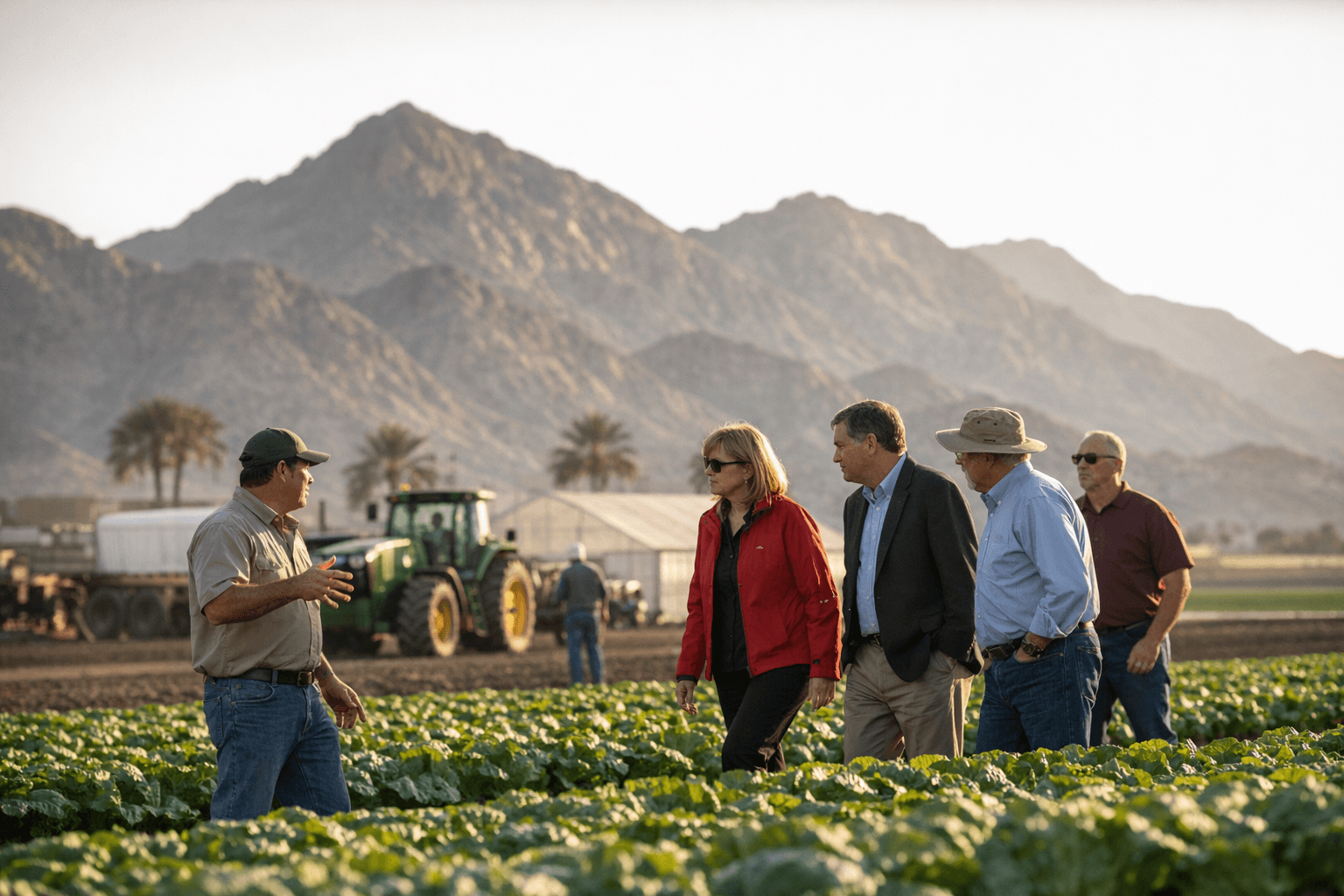
University of Arizona deans and senior officials visited the U of A Cooperative Extension and agricultural experiment station in Yuma on Jan. 7, 2026, as part of a statewide tour of rural extension offices. The delegation examined applied research projects and community outreach programs that support Yuma County agriculture and local services, and held discussions about current funding and potential future investments to expand academic programming in the region.
Local extension leadership emphasized the experiment station's unique role in conducting trials and research that cannot be carried out in standard commercial fields because of experimental methods and chemicals. The station's capacity for controlled, applied research underpins pest management trials, variety testing and other innovations that directly affect farm productivity and regulatory compliance. That capacity also informs extension work that offers technical assistance to growers, master gardener programs and other community services tied to the land-grant mission.
Officials explored a range of academic expansions centered on workforce development, including more internships, upper-division undergraduate classes delivered in Yuma, and the possibility of offering degree pathways locally. Expanding such programming aims to keep students in the region, build a pipeline of skilled labor for local employers and accelerate adoption of new agronomic practices and technologies across Yuma County operations.
Arizona State Senator Tim Dunn attended the visit and signaled support for broadening academic ties and opportunities in Yuma. His presence underscores the political dimension of any expansion: further program growth will likely depend on cooperation between university leadership and state policymakers to secure recurring funding or targeted investments.
For Yuma County, which relies heavily on irrigated agriculture and seasonal labor, the proposed expansions carry practical economic implications. Localized degree offerings and enhanced internship pipelines could reduce barriers to higher education, increase retention of young workers, and boost the technical workforce available to farms and agribusinesses. Strengthening the experiment station maintains a testing venue for innovations that can raise yields, manage pests and adapt practices to evolving regulatory and environmental constraints.
The university visit is part of a broader push to reinforce the land-grant mission in rural Arizona by aligning research, teaching and extension more closely with regional needs. University officials said they will continue exploring funding and program models to bring more coursework and experiential learning to Yuma, with next steps to be informed by follow-up planning between campus leaders, extension staff and state representatives.
This article was produced by Prism’s automated news system from verified source data, official records, and press releases, then run through automated quality and moderation checks before publishing. The system is built and supervised by the people who set the standards it runs under. Read our full AI policy.
Did this article answer your question?