Yuma residents push back on APS's proposed 14% rate hike
APS's proposed 14% hike would add about $20 to a typical 1,000-kWh bill, hitting Yuma homes hardest when summer cooling spikes.
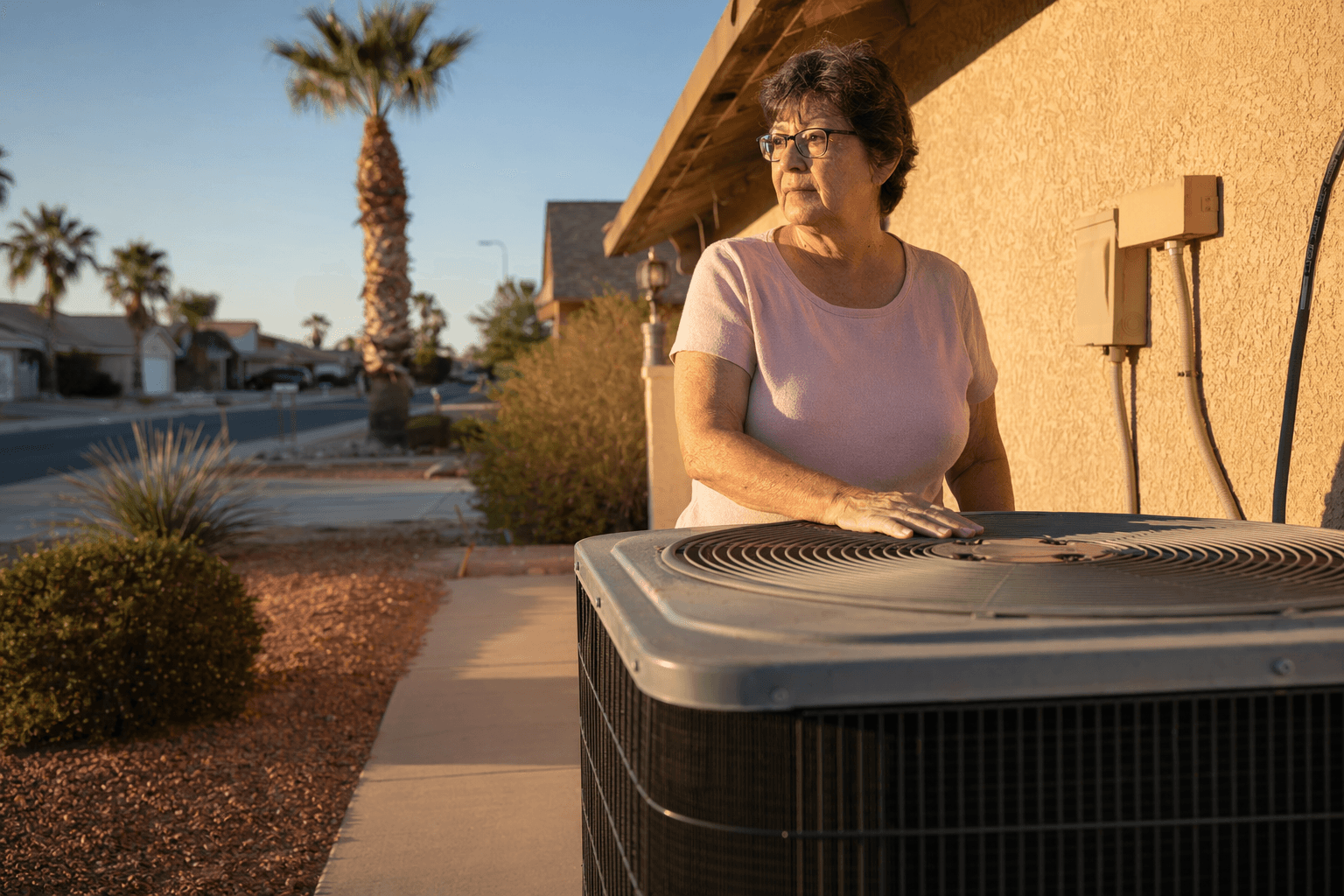
APS's proposed 14% rate hike would add about $20 to the average 1,000-kilowatt-hour monthly bill, a change Yuma households say would land hardest when air conditioners are already running almost nonstop. In a desert county where cooling is not optional, that extra charge could push already-stretched summer budgets even tighter.
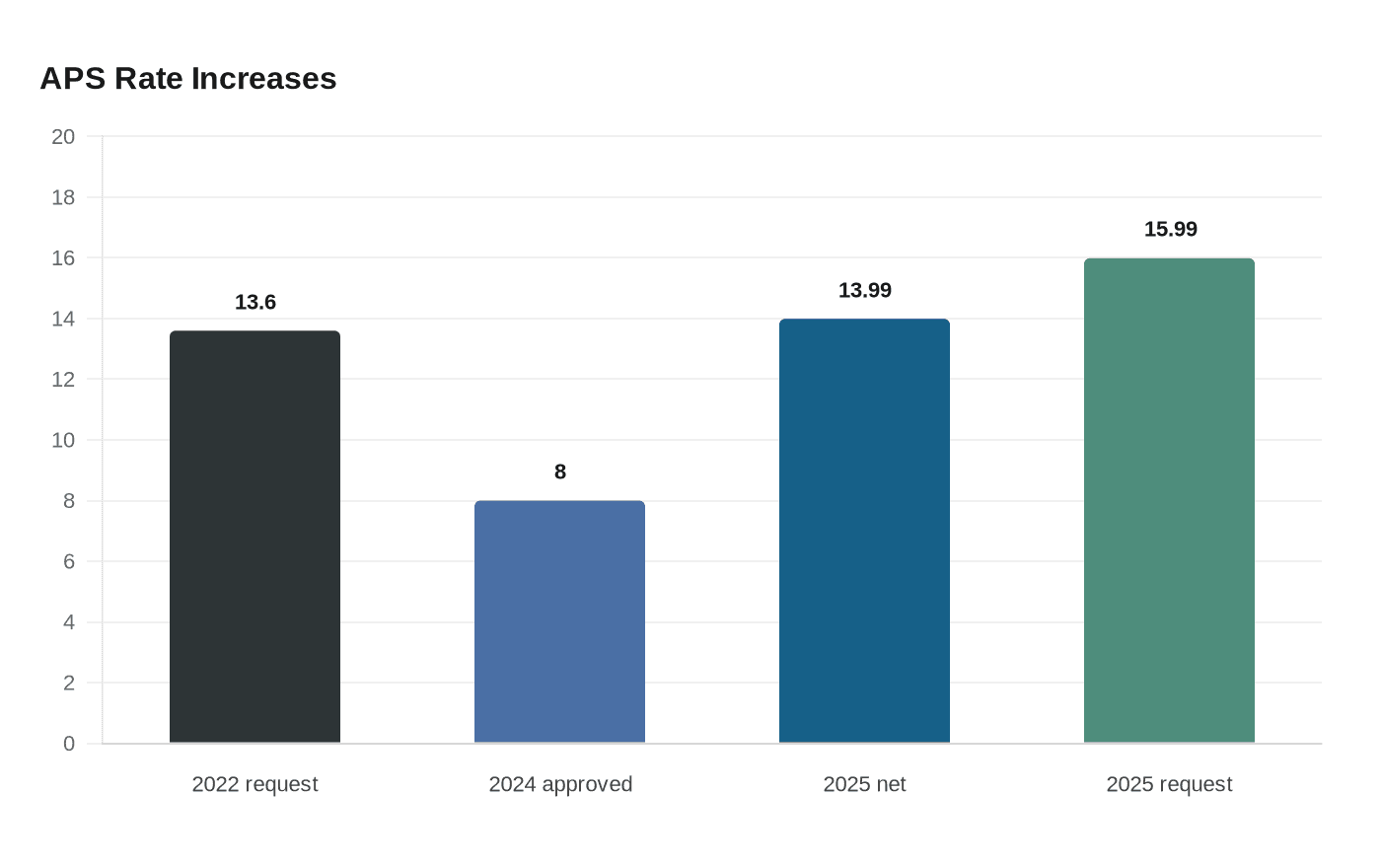
Arizona Public Service filed the request on June 13, 2025, asking the Arizona Corporation Commission for a $662.44 million annual increase in base-rate revenue, or 15.99 percent. APS says the net customer increase would be $579.52 million, or 13.99 percent, and that new rates would not take effect until the second half of 2026 if regulators approve the plan. The filing follows APS's earlier push for a 13.6 percent increase in 2022 and a commission decision in 2024 that approved a lower increase of roughly 8 percent.
The utility says the current rates are based on costs from three to four years ago and argues the new revenue is needed to keep the grid reliable and resilient. APS says the money would support pole repair and replacement, substation and grid technology upgrades, vegetation management, predictive maintenance, wildfire early-detection and mitigation tools, and smart-grid systems that can restore service faster after outages. The company is also seeking a Formula Rate Mechanism that would allow annual adjustments for five years before another general rate case, while eliminating the Lost Fixed Cost Recovery Mechanism if the new formula is adopted. APS says it would also set a separate rate design for large industrial users, including data centers, so those costs are not shifted onto residential and small-business customers.

The public hearing made clear how personal the issue has become in Yuma. Dawn Rico-Angermeier said she did not like the idea of another increase because things are already hard enough. Charity Jenkins warned that families could be forced to go without basic groceries if rates keep climbing. Other speakers said customers cannot shop for another electric company because APS is a monopoly, and some tied the case to Arizona's extreme heat and concerns about heat-related deaths.
The commission says the case is now in the evidentiary-hearing stage, with hearings beginning May 18, 2026 and expected to last about eight weeks. More than two dozen intervenors are involved, and the commission is expected to make a final decision this fall. Attorney General Kris Mayes has intervened and criticized the request, while consumer advocates point to Pinnacle West Capital Corporation's $609 million in net income last year as evidence that the utility should do more to shield customers. For Yuma County families, the outcome will shape what the next cooling season costs before the desert heat arrives again.
Know something we missed? Have a correction or additional information?
Submit a Tip