12-year-old boy dies after shark attack in Sydney Harbour
A 12-year-old boy died after a shark bite in Sydney Harbour, renewing concern across the east coast.
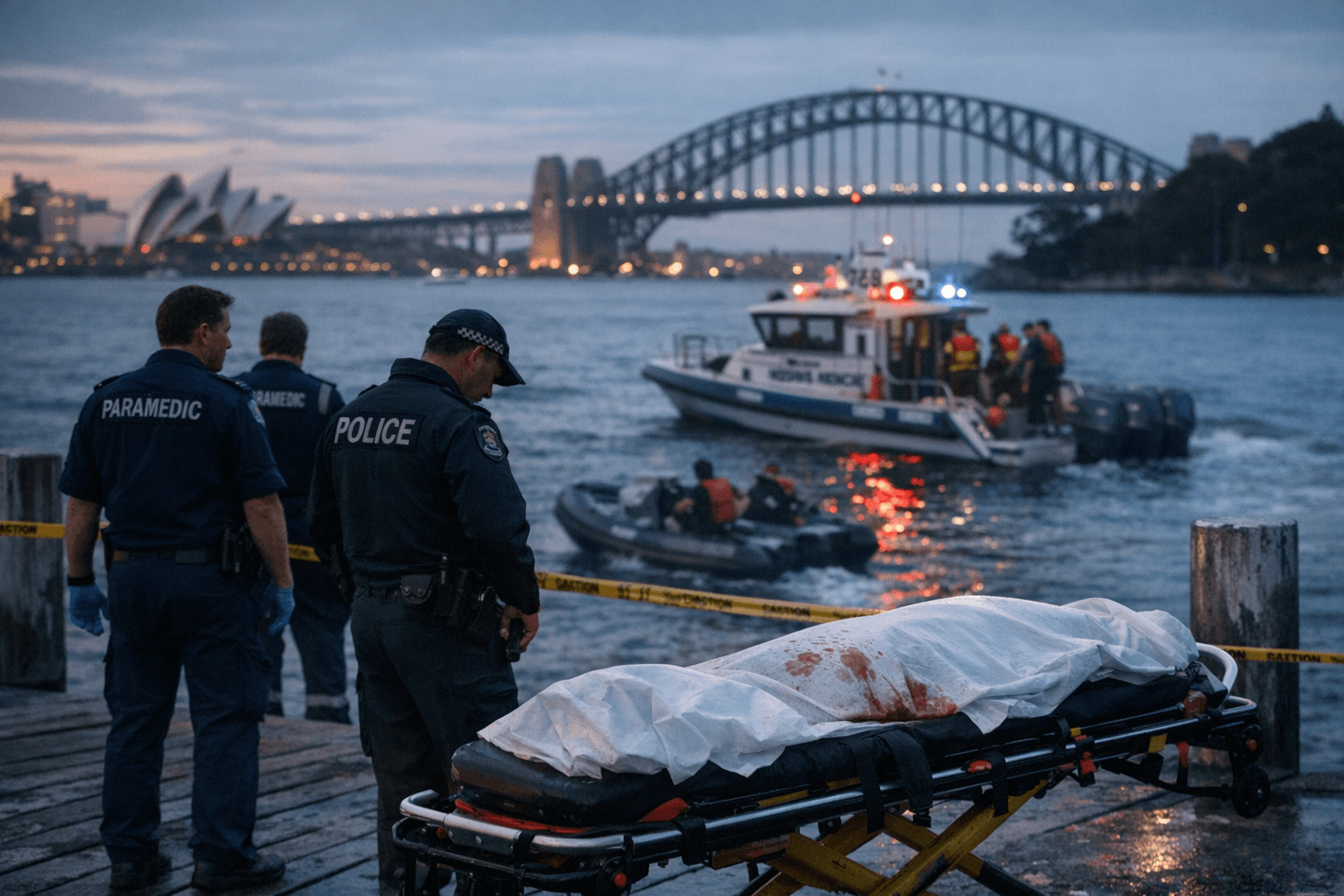
Nico Antic, 12, died in hospital after being bitten by a shark while swimming with friends in Sydney Harbour, authorities confirmed. The attack occurred on January 24 near the cliffs at Vaucluse, about 9 kilometres east of the central business district, where the boys had been jumping off rocks into the water.
Emergency crews responded to the scene after the boy sustained severe leg injuries and was brought to hospital. Medical teams treated him there, but he later died. Local police and ambulance services were involved in the response and investigators moved quickly to secure the area and advise the public, while offering support to the family and the wider community grappling with the loss.
The location of the attack, within the harbour that bisects Sydney, underscored the unpredictable nature of shark encounters in coastal and nearshore waters. Vaucluse is a popular spot for young people who swim and jump from rock ledges into deep water, and the proximity of the incident to the city centre heightened public alarm. Residents and visitors along the eastern suburbs reported a mixture of grief and disbelief as news spread.
The fatality comes amid a series of shark incidents along Australia’s east coast in recent weeks that have prompted stepped-up warnings from marine safety agencies and renewed debate over coastal protections. Shoreline closures and patrols have been increased at certain beaches in response to recent encounters, and authorities have reiterated standard safety advice to avoid swimming at dawn and dusk, stay in groups, and heed beach signage. Government agencies and wildlife experts typically follow such attacks with forensic examination of bite patterns and any available tissue to attempt species identification, and that process was expected to begin.
The death of a child in such circumstances has provoked both immediate practical questions and wider discussions about the balance between ensuring public safety and protecting marine ecosystems. Sharks are a culturally resonant species in Australia, central to Indigenous coastal knowledge as well as to national debates over tourism, fisheries and conservation. Public officials face the difficult task of addressing community safety concerns while also avoiding measures that could harm marine life or disrupt long-term conservation strategies.
Local schools and community groups have planned vigils and support services for grieving friends and family. Mental health and crisis counselling resources have been mobilised by municipal authorities to assist those affected, particularly the young people who were present during the attack.
As investigators continue to piece together the circumstances, the incident is likely to intensify scrutiny of how coastal safety is managed across densely populated parts of the east coast. For residents and visitors, the tragedy is a stark reminder of the risks that can accompany recreation in natural environments and of the need for clear communication and preparedness from public safety authorities.
This article was produced by Prism’s automated news system from verified source data, official records, and press releases, then run through automated quality and moderation checks before publishing. The system is built and supervised by the people who set the standards it runs under. Read our full AI policy.
Did this article answer your question?


