15 Ethical Jewelry Brands Shaping 2026, Sustainable Design and Transparency
The Good Trade curates 15 brands that prioritize traceability, recycled metals, lab-grown diamonds and fair labor, while Lia Atelier reports lab-grown stones now capture 56.8% of the market.
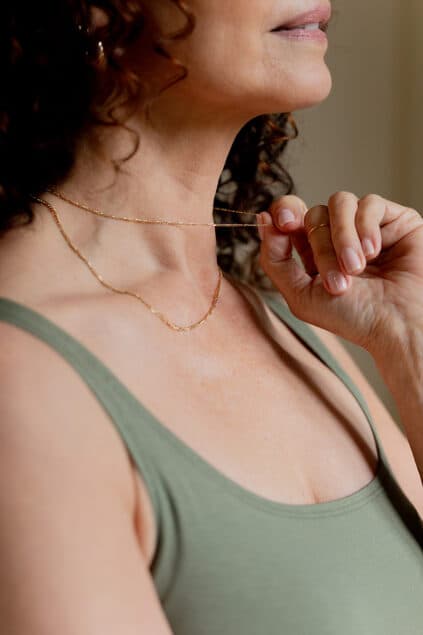
The Good Trade curates 15 jewelry brands that prioritize recycled metals, traceability, lab-grown diamonds, fair labor and community impact, and that framing matters: consumers and designers are treating provenance as design detail. Market analysis from Lia Atelier sharpens the stakes, noting that "The Sustainable Jewelry Market will reach $61.75 billion by 2032" and that lab-grown stones have surged, with "lab-grown diamonds now dominate with 56.8% US market share" and "lab-grown diamonds capturing 56.8% of the 1-carat engagement ring market in the US." These figures sit beside another striking line from Lia Atelier: "78% of American consumers now prioritize ethical sourcing." Below are 15 brands spotlighted for meaning, materials and measurable practices.
Brilliant Earth Brilliant Earth is listed as "Best For Conflict-Free Gemstones" with prices starting around $95. The Good Trade notes the brand "was one of the first jewelers to provide traceability of a diamond’s origin and ownership, and to offer blockchain-enabled diamonds at scale," and that "their provenance claims for natural diamonds, recycled gold, and recycled diamonds are independently audited and verified." That level of third-party verification is a model for buyers who want documentary proof that a stone and its metal traveled responsibly.
Mejuri Mejuri earns the "Best For Responsibly Sourced & Recycled Gold" tag and a $35+ entry point. The brand’s positioning as accessible fine jewelry built from recycled metals aligns with Lia Atelier’s observation that "recycled gold becomes industry standard," making Mejuri a practical example of mainstream recycling commitments meeting affordable price points.
Aurate Aurate is identified as "Best For Fine Jewelry With No Markups" with pieces from about $38. The value claim matters when assessing sustainability: less opaque pricing lets buyers weigh whether recycled gold or certified materials meaningfully factor into cost, and Aurate’s transparency about pricing makes cost-per-karat comparisons easier for conscientious shoppers.
Bario Neal Bario Neal is singled out as "Best For Custom & Ready-To-Ship Engagement Rings" from $60 and comes with unusually full provenance detail: "Founded by designers Anna Bario and Page Neal," it is a "women-owned jewelry company" and "each item is carefully crafted in their Philadelphia flagship store using fairmined gold, reclaimed precious metals, and ethically sourced stones." Their gender- and size-inclusive design ethos and in-house fabrication offer buyers a verifiable path from metal source to finished ring, a rare supply-chain intimacy for engagement pieces.
GLDN GLDN, "Best For Personalized Jewelry & Modern Heirlooms," starts around $22. The brand’s customization-first approach supports meaningful gifting while often using recycled metals, providing a lower-cost entry to heirloom-style pieces for buyers who want personalization and a smaller environmental footprint.
Quince Quince is the "Best For Affordable Fine Jewelry" pick with prices near $30. As Lia Atelier pushes recycled metals toward industry standard, Quince demonstrates how affordability and sustainability can coexist at scale, especially for those building layered collections without sacrificing sourcing expectations.
SOKO SOKO, "Best For Kenyan Artisan-Made Pieces" with $55+ starting prices, ties design to place and labor: the brand partners with Kenyan artisans and highlights local techniques. That model foregrounds fair labor and community impact in ways the market-size figures cannot, offering buyers a direct connection to craft and regional livelihoods.
Etsy Etsy is listed as "Best For Customizable, Unique Jewelry," price varies. As a marketplace rather than a single producer, Etsy’s value to ethical buyers depends on vetting individual sellers: many small designers sell reclaimed-metal or responsibly sourced-stone pieces, but provenance and verification vary widely across listings.
Catori Life Catori Life, "Best For Jewelry Inspired By Nature," begins around $166. Its nature-driven aesthetic reminds buyers that material choices—pearls, organic shapes, responsibly sourced gemstones—carry both design and ecological implications, and that those choices can justify a higher starting price when artisan labor and sourcing standards are explicit.
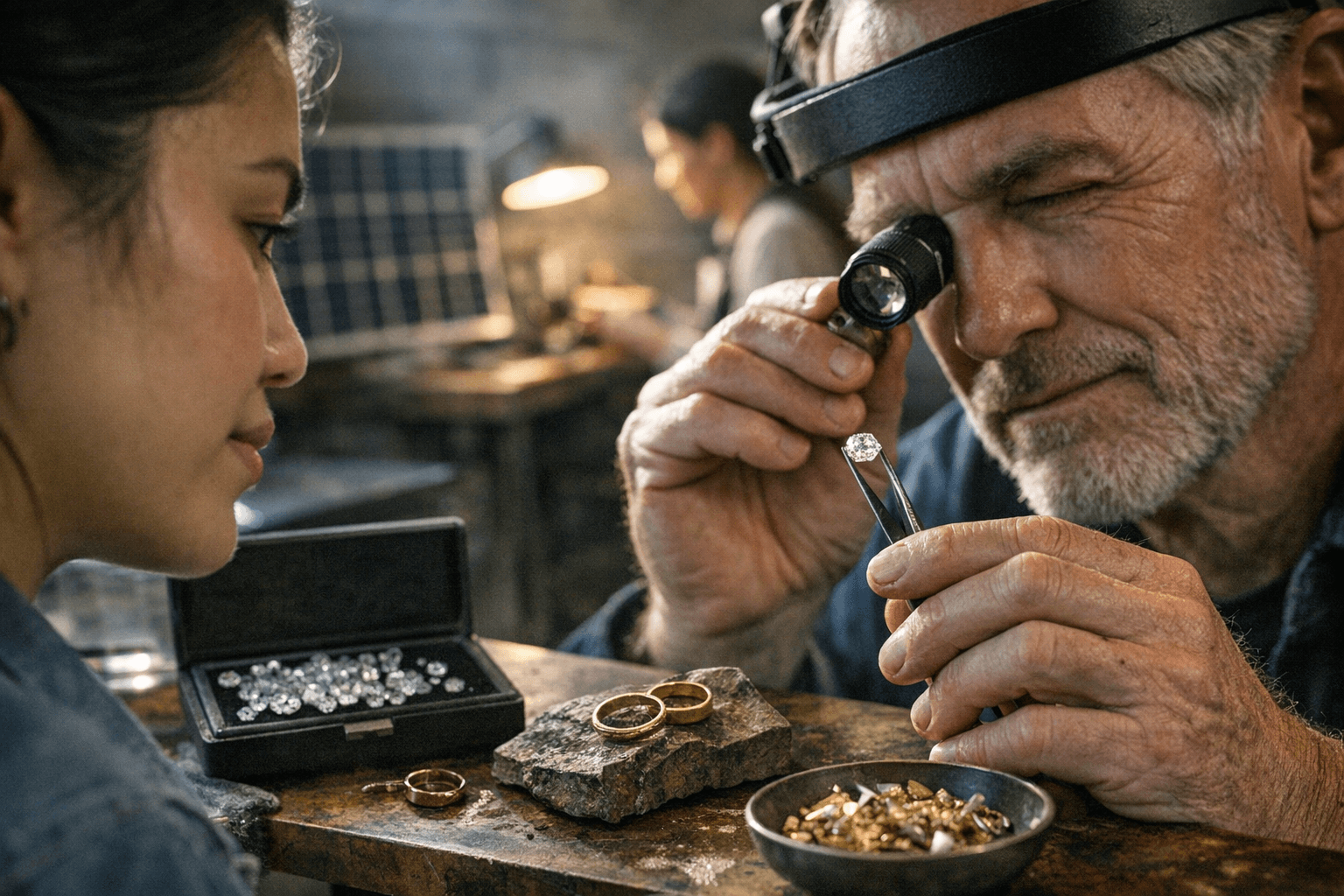
Made By Mary Made By Mary, the roundup’s "Best For Everyday Chains You Won’t Want To Take Off," starts at $24 and emphasizes well-made staples. Everyday pieces are where recycled metals and repairability matter most: a chain worn constantly should be made to last and be traceable where possible, something Made By Mary foregrounds at an accessible price.
Catbird Catbird, "Best For Dainty Pieces For Layering," starts at $14 and represents the continued appetite for delicate stacking jewelry made from recycled or responsibly sourced metals. Catbird’s small-scale approach aligns with Lia Atelier’s note on "handcrafted small-batch production" as a durable way to combine luxury and sustainability.
Linjer Linjer, "Best For Birthstone Jewelry" with $29+ entry points, bridges classic signifiers and modern sourcing. Birthstone collections are often impulse purchases; Linjer’s visibility on responsible sourcing and recycled metals makes those sentimental buys easier to justify.
AMYO AMYO, "Best For Modular Jewelry," starts near $24 and offers pieces designed to reconfigure over time. Modular design supports circularity: components can be repaired, restyled or replaced rather than discarded, a practical expression of the "circular economy models" Lia Atelier highlights.
SVNR SVNR appears in fashion coverage for colorful, handcrafted drop earrings like the Jaipur earrings and pastel rainbow necklace, and founder Christina Tung calls the label a "union of ethics and aesthetics." Vogue’s note that Tung "makes each piece herself" offers rare maker-level traceability, a direct link from hands to product that many consumers prize when judging sustainability.
Akola Akola’s pieces such as the joy unlock-it bracelet are "made in Africa using local techniques and sustainably sourced materials," and the brand explicitly frames its mission around female empowerment and economic development. Its employee programs, which include leadership and financial literacy training for a female-only workforce, make Akola an example of jewelry that ties design to measurable social outcomes.
Practical context and what to ask before buying Lia Atelier’s market framing—56.8% lab-grown share and a projected $61.75 billion sustainable-jewelry market by 2032—pushes a key buyer question: is the brand documenting its claims? For every piece you consider, ask whether metals are recycled and which auditor, if any, verifies provenance. Brilliant Earth stands out for named verification and blockchain tracing, while Bario Neal and SVNR offer maker-level transparency; Etsy and many smaller sellers require extra due diligence.
Influencer and retail signals Influencer guides such as Jessica Y. Flores’ video underscore how sponsored content and affiliate links shape discovery: Flores’ Feb 17, 2026 description lists Angara lab-grown pieces and many sustainable picks, but also includes explicit sponsorship language. That commerce layer can help visibility, yet it also makes independent verification of sourcing claims more important.
A final note The brands above represent a pragmatic cross-section: from mass-access names emphasizing recycled gold and price transparency, to small ateliers that stitch provenance into every step of design and making. As Lia Atelier flagged, the market is shifting fast, and the choice for buyers is now less binary: lab-grown dominance and recycled metals are normalizing, while a renewed appetite for certified natural stones is creating a bifurcated market. When beauty and ethics compete, insist on documentation, look for auditors or maker-level provenance, and remember that price often reflects traceable supply chains and fair labor practices. These fifteen labels offer starting points for building a collection where story, sustainability and craftsmanship travel together.
Know something we missed? Have a correction or additional information?
Submit a Tip