15 Sustainable Fashion and Beauty Updates to Know This March
Good On You’s March roundup spotlights SHEIN scrutiny, eBay’s Depop deal and urgent policy and resale shifts that are actively reshaping sustainable fashion and beauty.
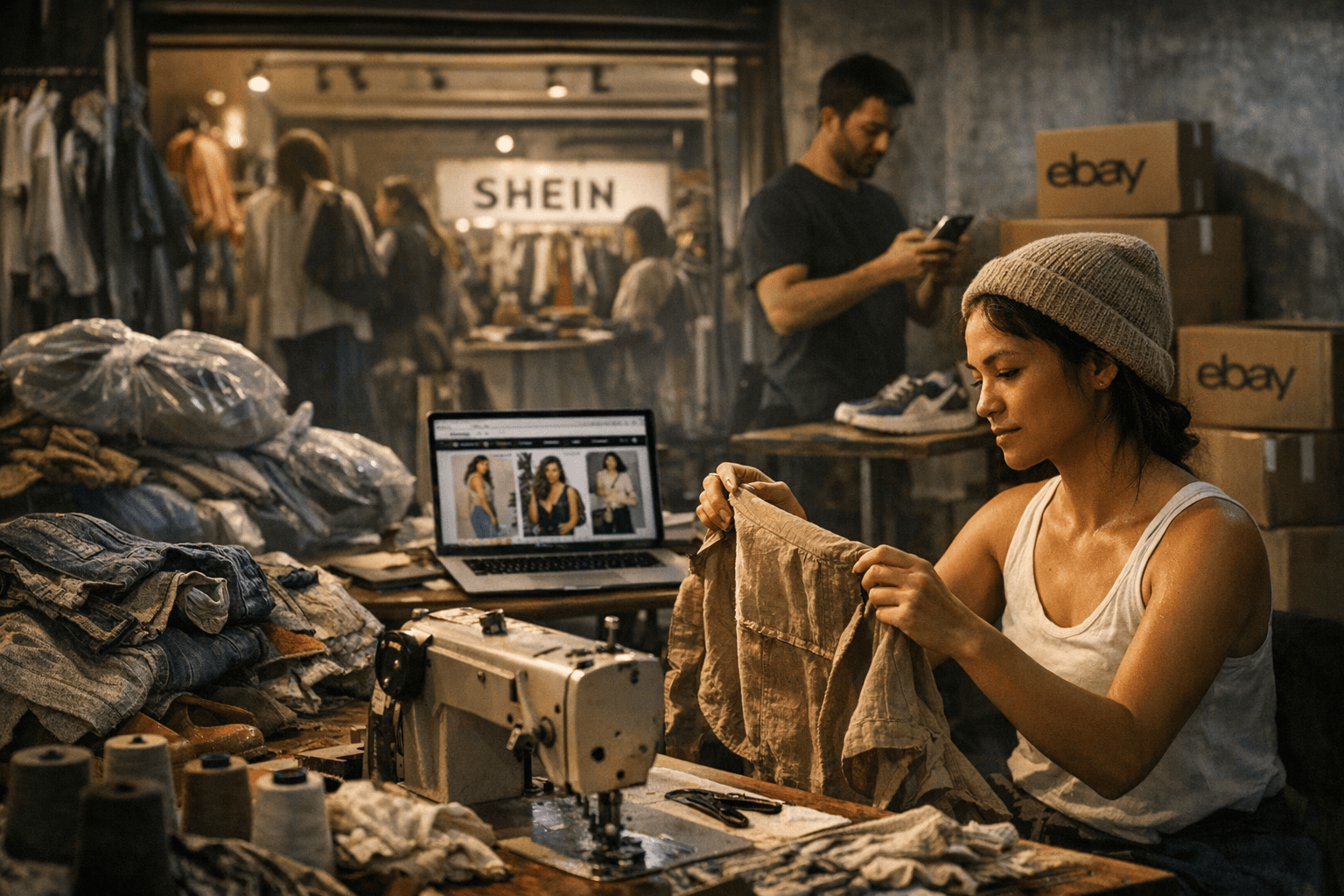
Good On You’s March roundup—compiled by Amy Miles and published 2 March 2026—sets the tone: “Good On You’s March roundup lays out 15 timely items across sustainable fashion and beauty,” a compact guide to investigations, regulation, resale and the material realities forcing the industry to change.
1. Investigative pressure on fast fashion
The first update is blunt: Good On You flags “investigative reporting around alleged supply‑chain issues at major fast‑fashion players.” That language signals a widening beat—journalists are digging beyond design rooms into factories and logistics, and those findings are starting to reshape how shoppers perceive low‑cost fashion.
2. New scrutiny of SHEIN
One of those investigations specifically targets SHEIN: Good On You lists “investigations into SHEIN’s alleged shady practices,” and cites the Business of Fashion headline, “German Watchdog Says SHEIN Must Substantiate or Remove Net‑Zero Claims (Business of Fashion).” The item is a reminder that net‑zero marketing is now a regulatory frontline.
3. Re‑commerce M&A: eBay and Depop
Recommerce is no longer niche. Good On You calls out “big news in re‑commerce as eBay buys Depop,” a shorthand for consolidation in the resale market that professionalises preloved shopping and funnels more inventory into platforms designed for circularity.
4. Second‑hand is mainstreaming
Mudjeans puts it plainly: “Second‑hand clothes will be here to stay in 2025.” Their coverage notes that “Second‑hand (online) shops are booming” and that preloved items have migrated from niche sustainable wardrobes to a conscious choice for many shoppers—meaning curated vintage blazers and reworked denim are now wardrobe fundamentals.
5. Platforms democratising vintage
Chicadelsur names the platforms making that shift possible: “Vintage and second‑hand fashion platforms such as Asos Marketplace and Depop are democratising access to unique and sustainable fashion.” Expect more accessible price points, discoverable vintage, and the pleasure of one‑off textures—soft leather collars, beaten brass buttons—that new pieces can’t replicate.
6. EU Green Deal: the big-picture target
Policy is ratcheting up. Socialgarb lists “The EU Green Deal. Europe works towards becoming the first climate‑neutral continent by 2050,” framing climate policy as the long arc shaping textile rules, trade incentives and investment in low‑carbon tech across the industry.
7. Textile rules with a 2030 deadline
Legislation is delivering nearer‑term mandates. Mudjeans reports, “By 2030, for example, all textile products in the EU must be sustainable, repairable, and recyclable.” Brands selling into Europe will need to rethink construction, materials and aftercare to comply.
8. Greenwashing under fire
Socialgarb warns about the marketing trap of false claims: “Greenwashing. In order to appeal to the 'sustainability‑seeking' customer base, brands use this marketing strategy… governments are expected to force fashion brands to function under closer scrutiny, in strict alignment with all regulatory requirements and communicating with sincerity their sustainability credentials.” Translation: look for clearer labels and legal consequences for puffery.
9. Traceability is non‑negotiable
On the operational side, Socialgarb nails the problem: “Transparency and traceability. Companies maintain that it is difficult to know all the factories where their materials are produced… But no matter what… traceability is a necessity, if real progress is the ultimate goal.” Expect more supply‑chain maps, batch IDs and blockchain pilots that make provenance legible to shoppers.
10. Certification matters to shoppers
If traceability is the map, certification is the seal. Socialgarb says, “Consumers demand certified fashions products (regarding the use of harmful substances, environmental impact and social responsibility). Certification processes might be time‑consuming but clearly demonstrates fashion brands’ commitment to sustainable practices!” Certified labelling will increasingly guide purchasing decisions.
11. Animal welfare and material alternatives
Animal welfare remains a central ethical axis: Socialgarb states, “The fashion and textile industries are responsible for the slaughtering of billions of animals in order to produce fur, wool, leather, down or silk‑made clothing. Many cruelty‑free alternatives exist – vegan, recycled materials, organic fibres, semi‑synthetic textiles derived from natural resources – and their use is estimated to increment further.” Expect more plant‑based leathers, recycled down and semi‑synthetic silks in collections.
12. Tech is changing how clothes are made
Mudjeans highlights the production shifts: think 3D printing and smarter design tools. They note the “3D printer, making customising garments without excess material possible. Or AI software that analyses trends and optimises designs.” Those technologies reduce cut‑off waste and help brands make quieter, more efficient collections.
13. Climate breakdown will ripple through profits and logistics
Good On You flags “details about how the climate breakdown will affect supply chains and fashion industry profits.” The practical picture is stark: extreme weather, disrupted transport and raw‑material volatility will affect lead times, costs and the bottom line—meaning resilient sourcing and localized production will be not just ethical choices but balance‑sheet imperatives.
14. The scale of the problem—materials, water, emissions
British Vogue lays out the scale: the industry produces “four to 10 per cent of global greenhouse gas emissions every year,” polyester “makes up 55 per cent of clothes globally,” and “the production of textiles uses an astonishing 93 billion cubic metres of water annually – the equivalent to 37 million Olympic swimming pools.” Those are the hard numbers that explain why material choice and garment longevity matter so much.
15. Who’s pivoting and where to look next
Brands are already responding: Chicadelsur highlights pioneering names like Reformation and Patagonia, and notes “industry giants such as H&M and Adidas integrating recycled materials into their collections and encouraging recycling initiatives.” Good On You’s page underscores the movement’s mission with the line, “We're creating a world where it’s easy for anyone, anywhere to buy better,” and visual teasers point readers toward more coverage—proof that editorial attention, corporate action and consumer demand are converging.
Conclusion Taken together, these 15 updates map the shift from buzzword to blueprint: tougher rules, tougher reporting, stronger resale markets, and technologies that make durability and traceability achievable. The month’s headlines show that sustainable fashion is no longer a niche aesthetic—it's a reshuffle of the industry’s foundations, and your wardrobe choices will be the simplest way to participate in that transition.
Know something we missed? Have a correction or additional information?
Submit a Tip