1994 football visionaries revisit predictions that reshaped the Premier League
Three 1994 warnings now read like a blueprint for modern football: pay-by-screen viewing, card-only stadiums and fans reduced to backdrop. The next decade may deepen all three pressures.

Football’s next decade will be judged less by what happens on the pitch than by what supporters are asked to pay, how easily they can get through the turnstiles and how much of a club still feels local. That is why a resurfaced 1994 BBC2 clip has landed with such force: Neil Duncanson and Alex Fynn were not just speculating about the future, they were sketching the commercial football that arrived.
The segment came from Standing Room Only, the BBC2 football magazine programme that ran from 1991 to 1994 and was aimed at a younger, more culturally aware audience. Alongside Arsenal fanzine editor Mike Collins, the pair described a sport moving away from terraces and toward screens. Collins predicted the disappearance of fanzines, credit card entry to stadiums, a decline in “hardcore support” and a rise in “glory hunters”. He added, “I and all other old-style fans want no part of it at all.”
Duncanson’s forecast was even broader. He said, “television will run football completely in the next century,” and went on to imagine a fan paying by phone or card for a single match, then seeing it appear on screen through subscription and pay-per-view. Fynn, who had advised the Football Association on the formation of the Premier League, argued that match-going supporters would be treated as “incidental” and valued mainly as a striking backdrop for pictures beamed into millions of homes. BBC Sport later called the clip a “Nostradamus moment”.
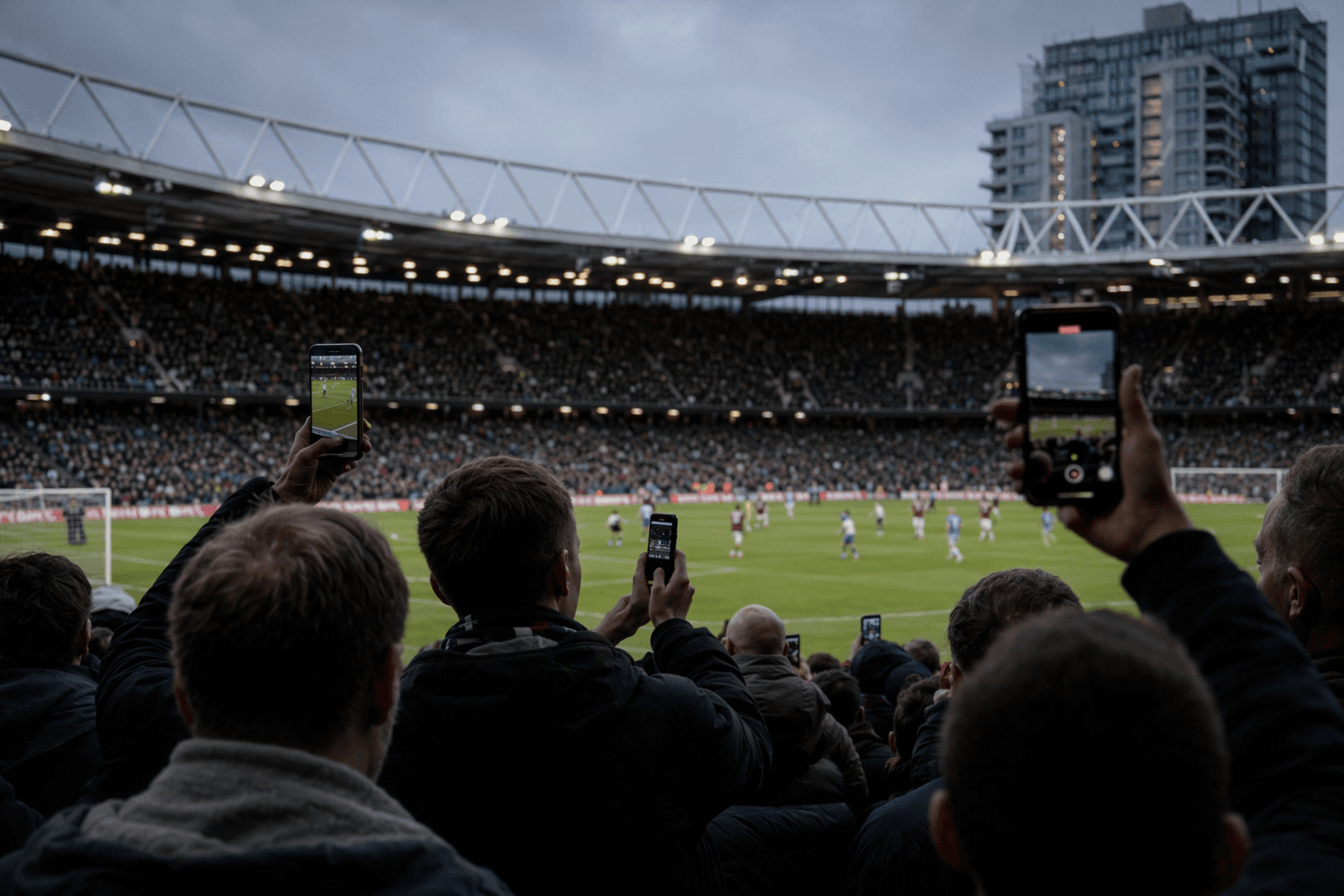
The scorecard is uncomfortable for anyone who remembers the Premier League’s birth. In 1992, Sky won the rights to broadcast the newly established competition in a £304 million five-year deal, and television has remained the sport’s commercial engine ever since. Sky Sports and TNT Sports hold the UK live rights for 2025/26 to 2028/29, with the new cycle set to deliver at least 267 live games a season, a sign of how far the sport has leaned into subscription viewing.
That commercial turn sits inside a wider global shift. The 1994 World Cup in the United States drew huge crowds and ended with Brazil becoming the first four-time winners, a milestone that underlined football’s reach far beyond England. The same forces that made that era so lucrative are now shaping the next one, from fragmented streaming to ticketing systems that can price out ordinary fans and ownership models that increasingly look at clubs as assets as much as communities.
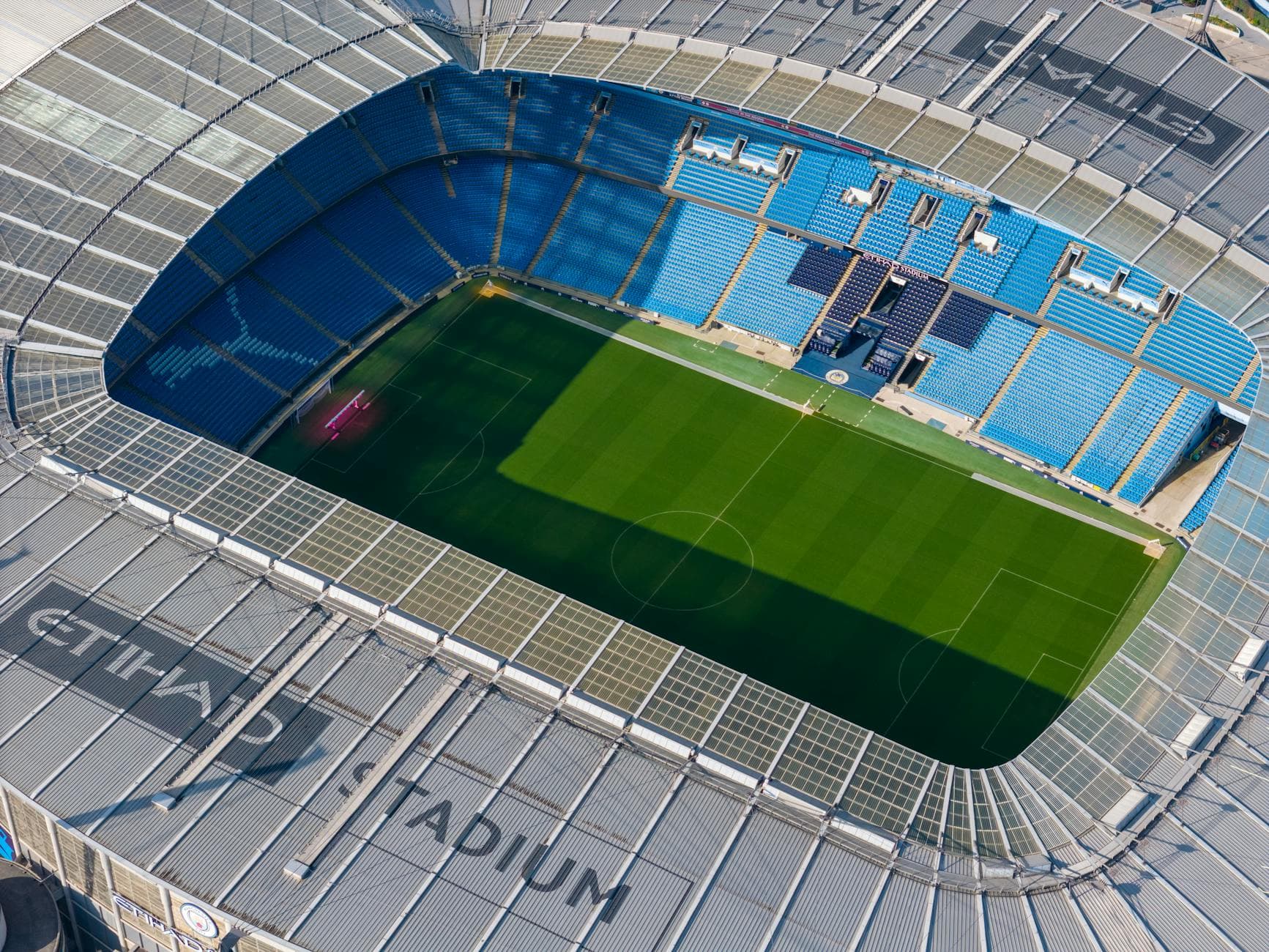
Duncanson and Fynn were not just right about television. They identified the central tension that still defines the game: football can be bigger than ever and yet feel less available to the people who built it.
This article was produced by Prism’s automated news system from verified source data, official records, and press releases, then run through automated quality and moderation checks before publishing. The system is built and supervised by the people who set the standards it runs under. Read our full AI policy.
Did this article answer your question?
.jpg&w=1920&q=75)