Tyler Dibling’s Everton struggle raises questions over £40m future
Tyler Dibling arrived as a £40m promise but has yet to match the price tag, exposing the risk of paying elite fees for unfinished talent.
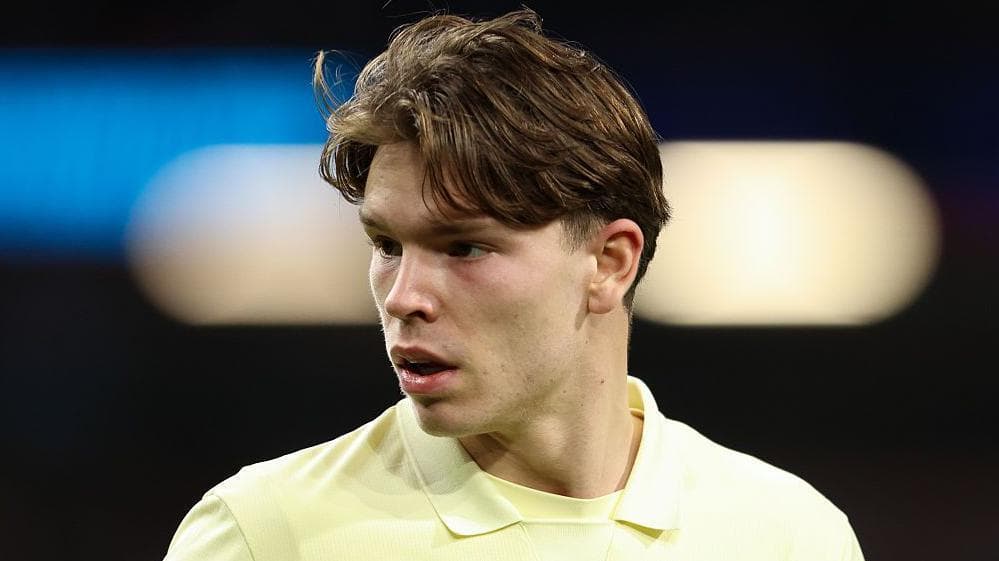
Tyler Dibling’s transfer was priced like a finished product, not a teenager still learning the trade. Everton pushed through a deal that made the winger one of their most expensive signings, after a summer of rejected bids and rising valuations, but his first months on Merseyside have underlined how fragile the market for elite youth talent can be when expectation runs ahead of development.
The size of the bet
Dibling completed his permanent move from Southampton to Everton on 25 August 2025. Southampton described the fee as undisclosed, but the move was widely reported at about £40m to £42m including add-ons, with the south coast club also saying it was comfortably the highest fee they had ever received for an academy graduate. Southampton had already rejected earlier approaches, including a reported £27m bid, before Everton eventually returned with a package strong enough to get the deal done.
That price matters because it places Dibling in a category usually reserved for players expected to influence a team immediately. Everton did not buy a finished, seasoned winger. They bought a 19-year-old who had only just broken through at Southampton, even if his profile suggested obvious upside. He had joined Southampton at the age of eight, signed his first professional contract in February 2023, and then forced his way into senior attention with a first goal against Ipswich in September 2024.
The logic behind Everton’s move is easy to see. Southampton had given Dibling 33 Premier League appearances in 2024-25, and he finished the campaign with 44 appearances in all competitions and four goals. That is a real body of senior football for a player of his age. It is also the kind of record that can tempt clubs into paying for potential early, before the player has fully learned how to deliver it week after week.
Why the first season has been so difficult
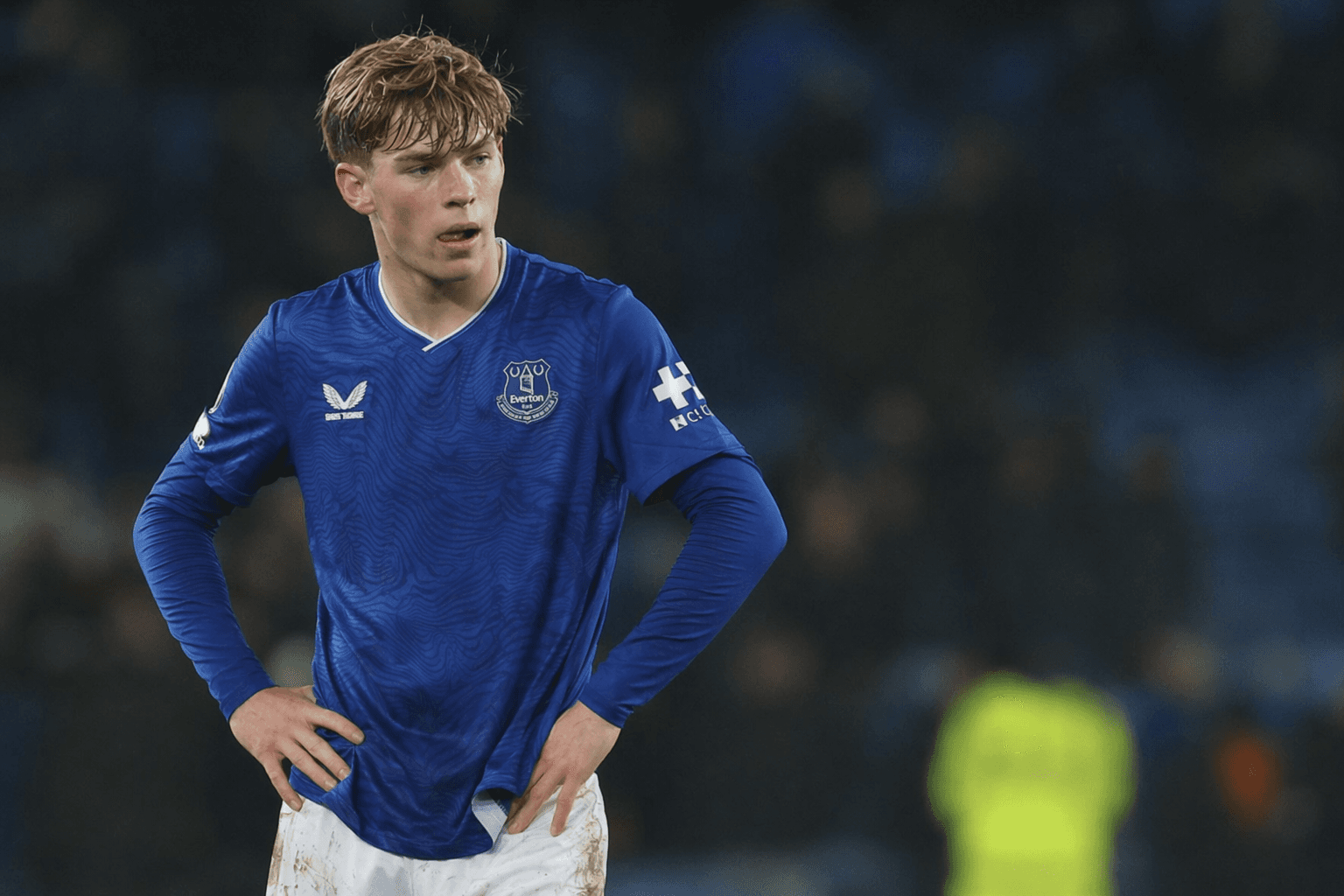
The problem for Everton is that the first season on Merseyside has not yet bridged the gap between price and output. Latest available Premier League stats show Dibling appearing for Everton in 2025-26 without a league goal or assist. That is the sort of output that immediately sharpens scrutiny when the transfer fee has already crossed the £40m mark.
David Moyes has not hidden the issue. He has publicly said Dibling needs to do much more and step up, a blunt assessment that hints at the central challenge of the deal: the club need a teenager to develop while also contributing in a team that is demanding immediate returns. That tension often decides whether a big-fee youth signing is seen as a strategic investment or a costly misjudgment.
Role clarity matters here as much as talent. Dibling is listed as a winger and attacking midfielder, which can be a sign of versatility, but it can also be a warning that a player is being asked to learn too many jobs at once. A young attacker needs repetition, defined responsibilities and stable combinations around him. Without that, flashes of quality can disappear into inconsistent minutes, shifting tactical demands and the pressure of carrying a transfer narrative that is bigger than the football itself.
The coaching fit question Everton cannot ignore
Everton’s attack was supposed to become more interesting with Dibling in it. Premier League season-review material suggested that once he was added to a forward line containing Jack Grealish, Everton could be especially entertaining. That is not just a flattering line about attacking flair. It is a clue to the way the club viewed the signing: Dibling was meant to help lift the ceiling of a forward unit and add unpredictability, not simply fill a squad slot.
When that kind of player stalls, the consequences spread beyond one individual. Everton’s summer spending was built on the idea that the team could become more dynamic, with Dibling part of the premium end of that plan. If he is not settling into a clear attacking role, the club lose not only direct output but also the wider payoff that was supposed to come from combining him with more established creators.
This is where the economics of youth recruitment become awkward. Clubs are increasingly willing to pay large sums for players they believe they are buying before the market fully prices them in. But the closer the fee gets to established-star money, the less patience tends to exist for the normal volatility that comes with teenage development. Everton have discovered that once a teenager is bought for roughly £40m, the conversation shifts immediately from prospect to return on investment.
What Southampton sold, and what Everton bought
Southampton’s perspective helps explain why the deal was so expensive. Dibling was not an academy graduate with a handful of substitute appearances. He was a homegrown player who had come through the club from the age of eight, signed professionally in 2023 and broken into the first team. For a club in Southampton’s position, cashing in on that type of graduate at a record price is a major business event as well as a football one.
The reported 20% sell-on clause also shows how carefully Southampton protected their upside. Even after accepting a huge fee, they kept a stake in whatever comes next. That is a sign that the selling club still believed the player’s market value could rise, which in turn highlights how much of the transfer was built on projection rather than completed performance.
That is exactly why Dibling’s case feels like a warning rather than a verdict. He has not become a failed player simply because his first season has been uneven. He remains a 20-year-old with senior experience, a strong technical reputation and a transfer profile that suggests clubs still see a significant ceiling. But Everton’s early experience shows how quickly a big-fee youth deal can turn into a test of patience, structure and coaching clarity.
The wider lesson is simple. Clubs can buy potential, but they cannot buy time for development. Everton paid for the possibility that Dibling could become a difference-maker before he was fully ready to be one. Whether that gamble pays off will depend less on the price tag that brought him to Merseyside and more on whether the club can give him a defined role, steadier output and the space to turn promise into production.
This article was produced by Prism’s automated news system from verified source data, official records, and press releases, then run through automated quality and moderation checks before publishing. The system is built and supervised by the people who set the standards it runs under. Read our full AI policy.
Did this article answer your question?