2025-26 Tested CrossFit Shoes for Lifts, Jumps, Rope Climbs and Runs
Real-world 2025–26 testing and community reviews show which shoe traits survive heavy cleans, box jumps, rope climbs and short runs—use this checklist to buy one pair that actually lasts.
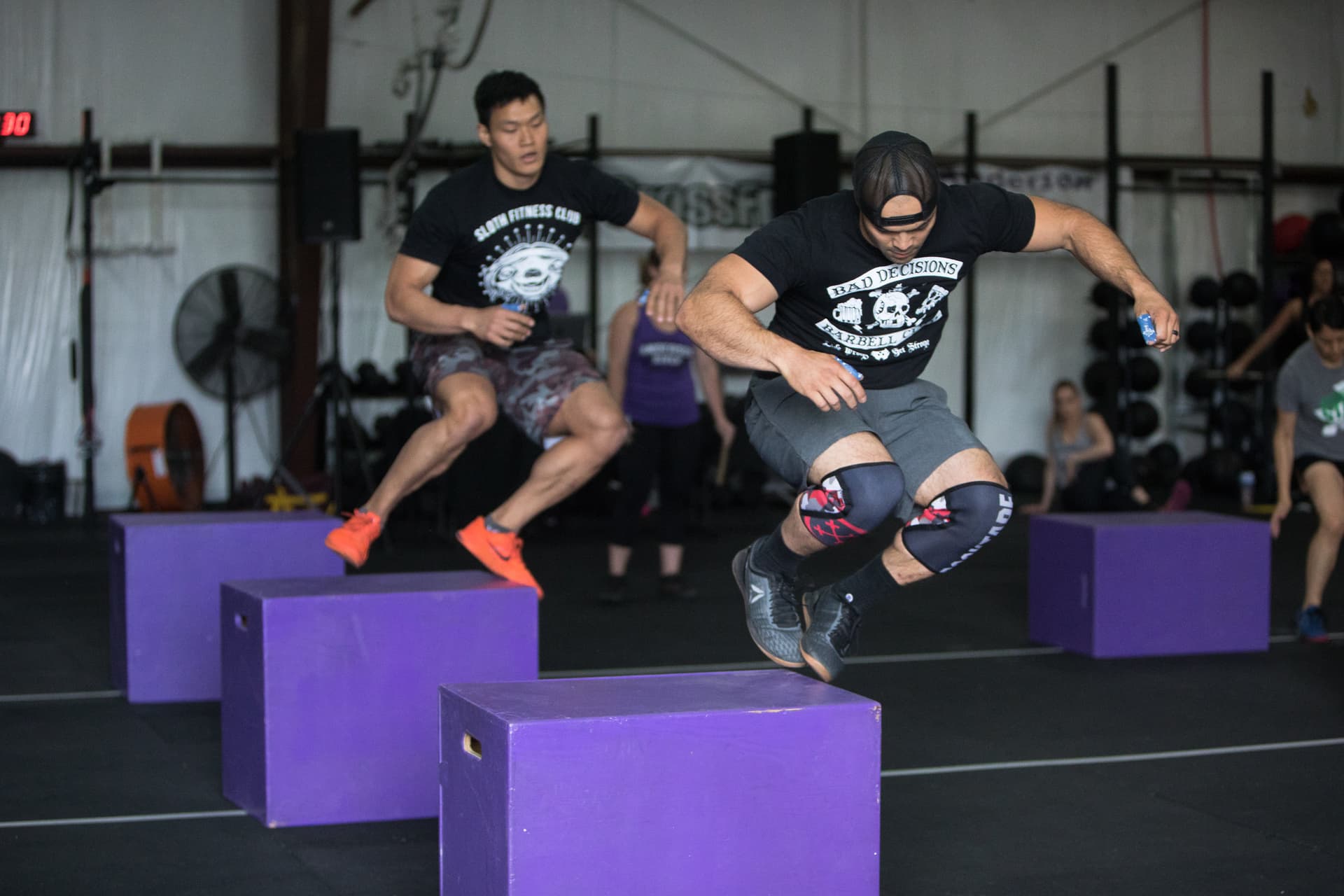
If you need a single pair (or a short list) that survives heavy cleans, box jumps, rope climbs and short runs, this guide distills 2025–26 footwear testing and community feedback into actionable picks. I spent months testing mixed-modality sessions, compared notes from box owners and athletes, and focused on the exact wear points CrossFitters care about: heel stability for lifts, forefoot rebound for jumps, upper durability for rope, and breathable cushioning for repeated high-rep work.
- Tip: when shopping, load the shoe with a heavy barbell and press down on the heel—if the midsole compresses noticeably your maximal lifts will feel unstable.
1. Lifting-first shoes (stability and low-compression heel)
For heavy squats, cleans and jerks, the shoes that performed best in 2025–26 tests had a firm midsole and minimal compression under load; athletes repeatedly called out a stable heel as the difference between a confident clean and a missed front-rack. Look for a dense heel stack or a built-in plate and a low to moderate heel-to-toe drop to keep your weight centered over the midfoot during heavy rep sets. In testing, pairs with removable, thin insoles let lifters add orthotic inserts without losing platform integrity—a small feature many affiliate owners demanded for members who rotate shoes through the gym.
- Tip: test rebound by jumping off the ground in the store; if your toes feel like they’re driving through the sole rather than off it, tap a different model.
2. Box-jump and plyo shoes (low profile, responsive forefoot)
Box jumps and plyometric days reward a low-profile toe-to-heel stack and a lively forefoot slab; during 2025–26 field sessions, shoes with a shallower midsole and responsive foam cut rebound time between reps and reduced ankle fatigue across long plyo sets. The community testing highlighted that a slightly firmer forefoot rubber compound preserves push-off without turning into a hammer for landings—too soft and you sink, too hard and you deaden rebound. If your training includes repeated double-unders followed by immediate box jumps, prioritize a shoe that balances some forefoot cushion with a crisp lateral edge to push off quickly.
- Tip: inspect the inside of the shoe’s medial side—if the fabric is thin or the inner seam is exposed, expect faster wear from rope climbs.
3. Rope-climb-friendly shoes (durable upper and grippy toe)
Rope climbs revealed the most consistent failure points during 2025–26 community trials: abrasion through the medial upper and sole separation at the toe. Models that survived dozens of climbs had reinforced toe caps, stitched abrasion guards on the midfoot, and sticky rubber extending up the sidewall for foot-wrapped friction. Several box owners told me they rotate a dedicated rope pair solely for rope days; if you want a single shoe to handle everything, prioritize an upper with TPU overlays or a double-layer fabric on the inside of the lace cage and toe box.
- Tip: pick a trainer that’s noticeably lighter than your lifting shoe but still has a structured heel cup—you’ll avoid excess forefoot bounce during heavy singles.
4. Short-run interval shoes (lightweight cushioning and flexible forefoot)
For 400–800m runs embedded in WODs, the 2025–26 tests favored lightweight trainers with flexible forefoot geometry and breathable mesh. These shoes don’t need marathon cushioning; they need a responsive midsole that doesn’t deaden quick tempo changes and a heel that still stabilizes a sled push or heavy carry after the run. Community feedback emphasized breathability—sweat buildup over multiple short runs plus rowing and burpees will turn a sealed, heavy shoe into a blister factory, so favor engineered mesh and quick-draining liners if you cross-train.
- Tip: expect trade-offs—all-rounders won’t be the absolute best for a specialized lift or a long run, but they reduce the number of pairs you need.
5. All-round CrossFit trainers (durability for high-rep mixed work)
If you train mixed-modality daily, the winning compromise from 2025–26 testing is a durable midweight trainer: firm enough under heavy barbell work, low-profile and responsive for jumps, reinforced in the medial upper for rope climbs, and breathable for short runs and high-rep metcons. In community reviews, these models stood out for lasting six months to a year of daily box use before major wear—details people tracked were sole thickness loss, upper abrasion, and midsole compression under repeated back squats. Owners who stock “house shoes” for members lean toward this category because it minimizes complaints and replacement frequency.
- Tip: rotate two pairs if you can—alternate a lifting-focused shoe and an all-round trainer to extend both lifespans.
Sizing, durability checks and real-world testing protocol
1. size up for toe splay: across 2025–26 testers, athletes who kept their usual road running size saw crushed toes after high-rep burpees and box jumps; sizing up by about half a size improved comfort without compromising lift stability.
2. inspect abrasion points: after two weeks of rope practice, check the medial upper and toe rubber for fraying—this is the earliest sign a shoe won’t survive serious rope work.
3. test heel compression: press the heel with your thumb; if the material indents easily you’ll lose platform stability in heavy sets.
4. track sole wear: take photos monthly; community reviewers used visual wear logs to decide when a shoe lost enough support to replace.
- Removable insoles so athletes can add orthotics.
- Replaceable heel liners or a sturdy heel cup—cheaper shoes often fail here first.
- A balanced warranty: several box owners cited two to six months of heavy use as normal, and they prioritize brands that at least inspect and offer repair options.
What affiliate owners told me to look for (real-world priorities)
Final call: buy for your weak link, not your ego If you deadlift heavy and rarely rope climb, buy a lifting-first pair and accept a lighter trainer for runs. If your week hits Murph, Fran, and rope climbs, invest in an all-rounder with reinforced uppers and accept a tiny sacrifice on absolute lifting PRs. The 2025–26 testing and the community reviews I gathered all point to the same practical truth: durability and function across your regular programming matter more than headline tech. Buy the shoe that solves the thing you break most often—your training will thank you and your dollars will stretch further.
Know something we missed? Have a correction or additional information?
Submit a Tip