2026 Metrics Identify Fashion Brands Leading in Circularity and Material Innovation
Stella McCartney’s SS2026 at Paris served up air-purifying denim and plant-based feathers while tentree, Kotn and Lululemon post hard metrics - 10 trees per item, 100,000 lives helped, and a Like New buyback funneling profits to sustainability.
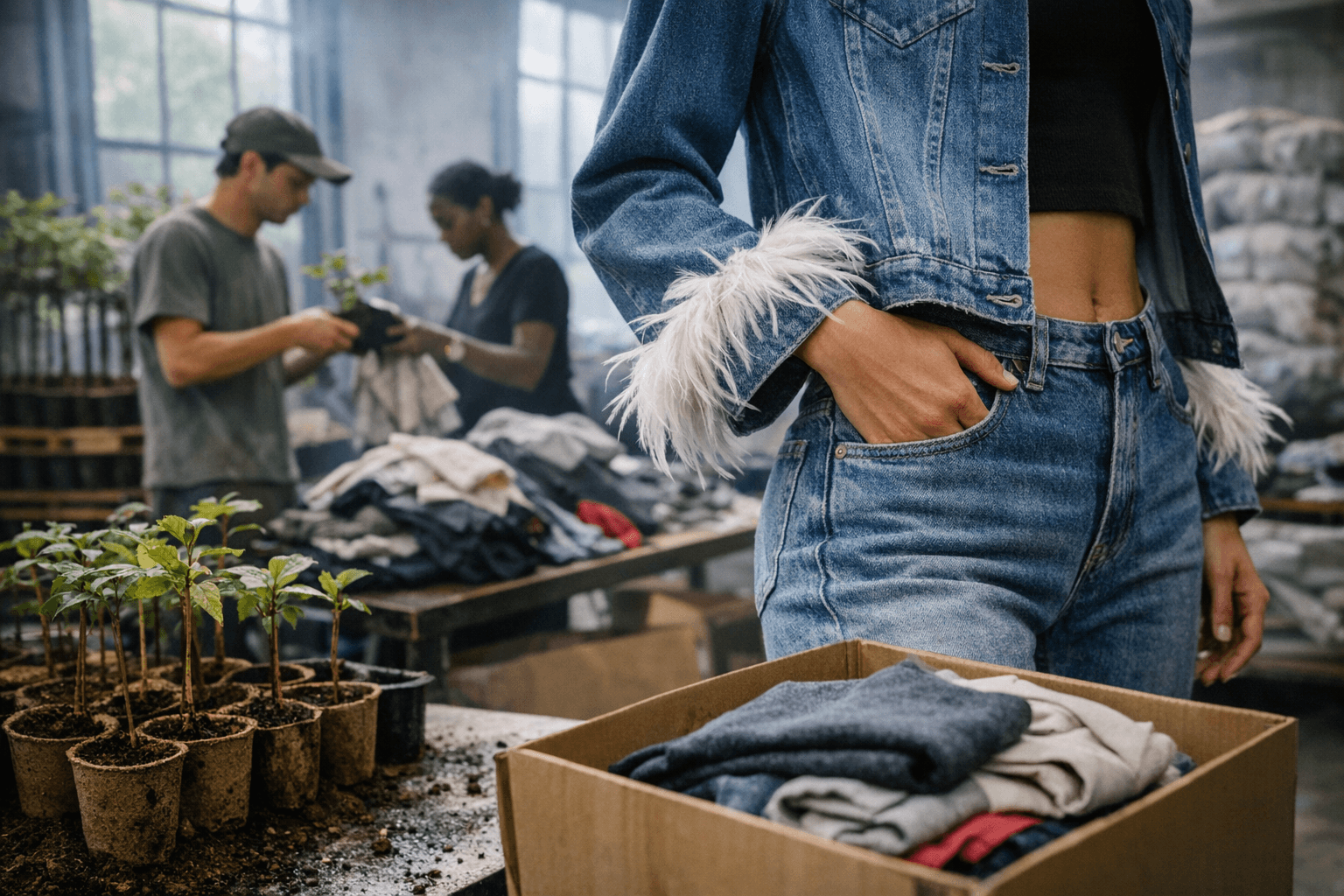
I stood with everyone else watching Stella McCartney’s SS2026 at Paris Fashion Week when the show dropped denim that the label says can remove CO₂, VOCs and NOx, and introduced FEVVERS, a plant-based feather alternative. Stella’s line is built on a 2001 policy of no leather, fur, feathers or skins, and she told FEVVERS: “It’s not only the world’s first plant-based feather alternative, but it’s also proof that brands who continue to use feathers are choosing cruelty over creativity.”
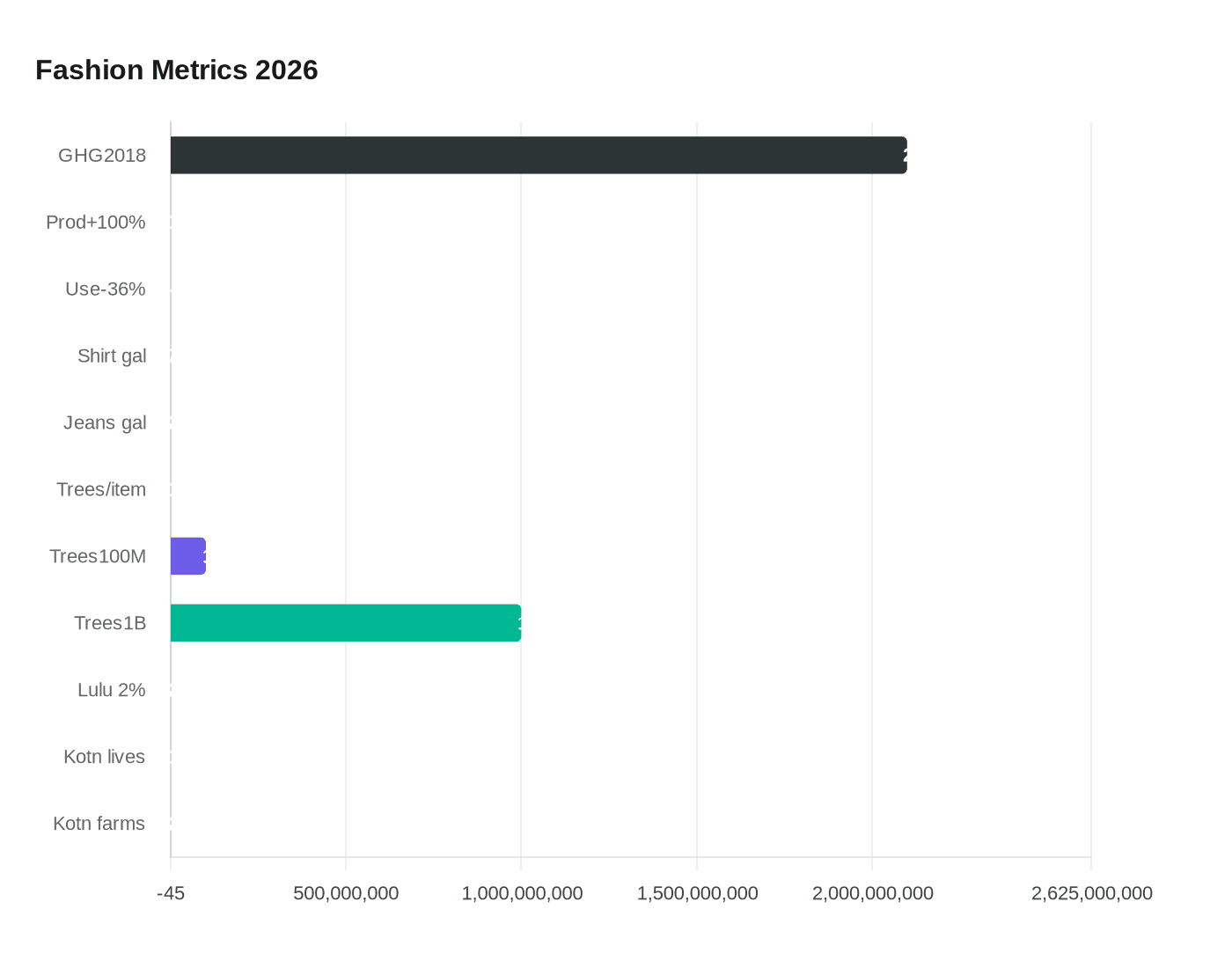
The scale of the problem those innovations aim to address is brutal and specific: University of Southern California research puts fashion’s greenhouse gas emissions at about 2.1 billion tonnes in 2018, UNEP found garment production doubled between 2000 and 2015 while garment-use duration fell by 36%, and water intensity remains shocking - about 700 gallons to make a cotton shirt and 2,000 gallons for jeans. Those numbers are the baseline for any brand that wants to claim measurable impact.
Some players are backing claims with clear mechanics. Lululemon, founded 1998 and headquartered in Vancouver, runs a Like New programme that buys back eligible items; Sustainabilitymag names Noel Kinder as SVP Sustainability and reports that “all of the profits from Like New products, or 2% of revenue if this is higher, is used to support sustainability initiatives.” That’s a finance-to-purpose loop you can trace on a balance sheet.
On the reforestation front, tentree remains one of the few with hard counts: 10 trees planted per item sold, “100+ million to date” and a stated goal of 1 billion by 2030, with garments made from Tencel, hemp and organic cotton and designed in Canada. Kotn trades on traceable basics - Egyptian cotton tees and certified B Corp status - and says it has “helped impact over 100,000 lives in Egypt by building schools and funding 2,000+ farms,” while promising to help suppliers switch to organic within five years.
Legacy names are playing the long game too. Louis Vuitton frames its work as “Creative Circularity,” designing products to be “made to life” and offering repairs where needed. Patagonia continues to push secondhand through its Worn Wear program and to work with U.S. factories in Texas and North Carolina on labor standards.
Not every metric in play is fully attributable in the source material. Sustainabilitymag includes two targets - “By 2026, the brand says that 100% of its strategic raw materials will be certified to standards that guarantee the preservation of ecosystems and water resources” and “By 2030 it aims to reduce its carbon footprint by 55%” - but the excerpt does not identify which brand makes these claims. That kind of missing subject matters when you’re ranking impact.
Macro pressure is real: Business of Fashion and McKinsey’s State of Fashion 2026 warns that “US tariffs are reshaping global trade as higher duties push up costs across the value chain,” forcing sourcing shifts and automation. At the same time national initiatives vary - France’s Macron has a pact with 150 brands while the UK famously shelved parliamentary recommendations in 2019 - so brand-level commitments will live or die on enforcement, transparency and numbers.
Patsy Perry’s blunt advice cuts through the spin: “Less is always more.” The brands that move from marketing to measurable outcomes - Lululemon’s Like New allocation, tentree’s tree counts, Kotn’s Egyptian cotton programs, and Stella McCartney’s material experiments - are the ones changing the game. If the industry is going to bend those 2.1 billion tonnes and those gallons of water down, the next chapter will be written in verified metrics, repair services and repeatable supply-chain fixes, not just fashion fantasy.
Know something we missed? Have a correction or additional information?
Submit a Tip