28 Old-Money Living Room Ideas for Timeless Quiet Luxury in 2026
A quiet‑luxury playbook: 28 concrete ways to shape a living room that whispers heirloom wealth through materials, light, and conversational layout.
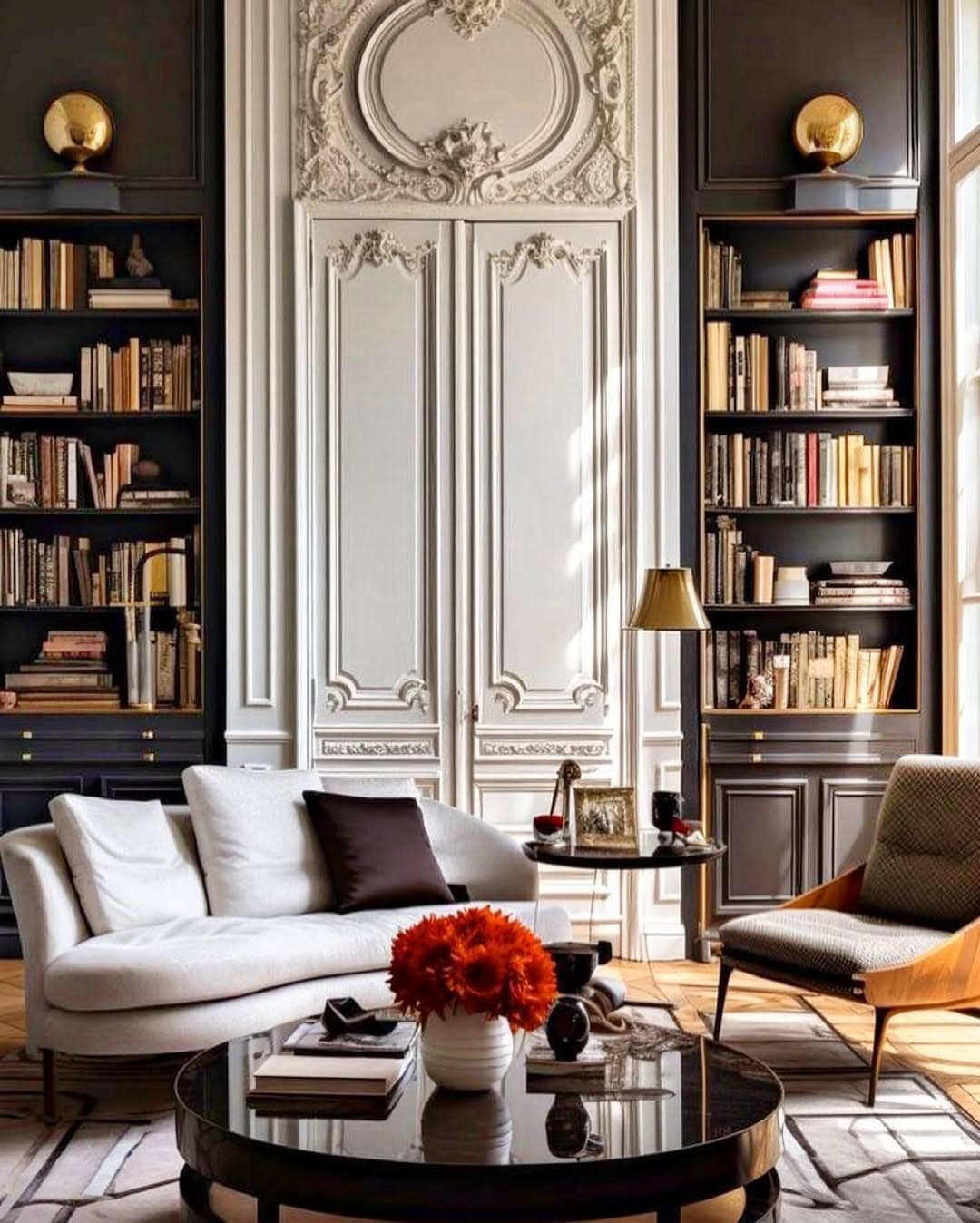
Old‑money living rooms are less about logos and more about lineage — rooms that look as if they were curated across generations rather than bought in a single spree. Alex Ion framed it plainly in TheCoolist on March 1, 2026: “Dreaming of a living room that whispers luxury instead of shouting trends? These 28 old money living room ideas are timeless, tailored, and tastefully refined…” This is a field guide to those 28 ideas — tactile materials, layered lighting, collected art, and furniture arranged for conversation — drawn from the season’s clearest signals and the voices designers are using to redefine quiet luxury.
Sculpted sophistication (#1) “This space whispers wealth in the most architectural way. The curved wood portal, the earthy plasters, the low-profile seating—it’s giving ‘family office meets private residence.’ Everything feels intentional, from the stacked art books to the restrained palette of camel, stone, and espresso.” That passage from TheCoolist is a blueprint: think carved doorways and built‑in portals that read like a tailored coat, with low, inward‑facing sofas and shells of wood that age with varnish and time.
Curved portals and architectural entryways Introduce curved wood portals or a sculpted arch in the living room to create a quietly dramatic threshold. These architectural moves are the kind of restraint that reads as expensive because they require craft: steamed oak or walnut veneers set the tone before the furniture does.
Earthy plasters and tactile wall finishes Swap flat latex for lime plaster, Venetian stucco, or a polished earthen render to provide the subtle irregularities old‑money rooms celebrate. The result is a wall that catches light the way velvet does — warm, dimensional and forgiving of age.
Low‑profile seating and family‑office crossover Low seating silhouettes — wide, deep sofas and saddleback chairs — cultivate intimacy and a lived‑in look, the “family office meets private residence” moment Alex Ion describes. Pair with a console desk or a books‑lined corner to make the room feel simultaneously domestic and appointed.
Stacked art books and curated shelves Art should feel collected, not gallery‑perfect. Stacked art books, small framed works leaning against taller pieces, and shelves styled with ceramics and folios tell the same story TheCoolist prizes: objects accumulated over time rather than opted for wholesale.
The muted palette anchor: camel, stone, espresso Ground the room in camel, stone and espresso — a restrained trio that reads warm, neutral and expensive. These hues are forgiving with sunlight, sympathetic to wood tones and make jewel accents sing without needing to shout.
Velvet and jewel‑toned drama (#23) “Velvet in jewel‑toned green, gold‑lined walls, and a chandelier that cascades like a statement necklace. This is old money that enjoys a little glamour. The symmetry of the seating and the mirrored backdrop add a theatrical edge. Yet it still feels grounded in tradition. Deep colors, rich materials, and layered lighting keep it from tipping into flashiness. It is luxe, yes, but with heritage bones underneath.” Use this TheCoolist image when you want glamour that still feels stewarded and connected to history.
Gold‑lined walls and mirrored backdrops Introduce gold‑leaf accents or a gilt mirror wall to create the mirrored, theatrical depth TheCoolist suggests. Mirrored surfaces should be used sparingly — a panel or backing behind a console, not floor‑to‑ceiling ostentation — so layered lighting keeps the effect warm and considered.
Shadowed leather and plaid (#24) “Tall windows framed in plaid, dark walls, and a rich leather sofa catching the afternoon light. This is quiet power in living room form. The carved mirror adds age, while the rug anchors everything with warmth.” This vignette proves that pattern and patina can cohabit without competing, and that plaid framed windows are a finishing gesture, not a costume.
Rug anchoring and underfoot layers A rug is the single easiest way to ground furniture and add the “warmth” TheCoolist repeatedly cites; choose handknotted wool or layered low‑pile kilims that protect wooden floors while contributing a patina of use. House Beautiful’s call for “extra layers underfoot” puts emphasis back where you and your guests actually touch.
Passementerie and fanciful upholstery Avery Cox says, “I’m seeing a renewed love for fanciful upholstery, and I’m thrilled that passementerie is having a true comeback.” Trim, braids, hand‑tied tassels and embroidered welts bring a level of craft that feels bespoke — exactly the kind of detail that signals taste rather than trend.
Skirted furniture and fabric‑wrapped legs “Want to really capture the essence of Grandma's living room? Then you need to embrace skirted furniture and fabric‑wrapped legs—through a modern lens, of course.” A skirted sofa or armchair updates easily when executed in a modern proportion and neutral fabric, softening a room and hiding structural elements while nodding to legacy.
Natural fabrics that age beautifully (Mae Osz) “Natural materials should always be your first choice when selecting fabrics for old money style interiors,” Mae Osz writes (AboutWallArt, Jan 16, 2026). Her guidance continues: “Linen brings a relaxed elegance... Velvet adds sumptuous depth... Silk introduces a whisper of luxury... Wool and cashmere bring cosy texture... Leather ages gracefully, developing beautiful patina over time.” Take her list literally: prioritize linen, velvet, silk, wool, cashmere and leather in that order for upholstery, drape and throws.
Leather that develops patina A well‑chosen leather sofa is investment furniture: let it darken and soften with use so it reads like family rather than a showroom. In a dark‑walled room, a cognac or espresso leather catches afternoon light and becomes the quiet hero.
Conversation‑first furniture placement (Mae Osz) “The way you arrange furniture significantly impacts how your space feels and functions. In old money style interiors, furniture is arranged to encourage conversation and connection rather than simply facing the television.” Create inward‑facing groups around a coffee table or ottoman, and allow sightlines to remain open for flow.
Multiple conversation areas and gaming corners Lubin notes, “These smaller 'moments' let a room serve different members of the household at once, without sacrificing cohesion.” House Beautiful traces this to the rise of mahjong and poker rooms — Lubin’s Dallas Kips Bay Show House centered around mahjong, and Doniphan Moore once created an entire poker room — proving the living room’s social ritual is back.
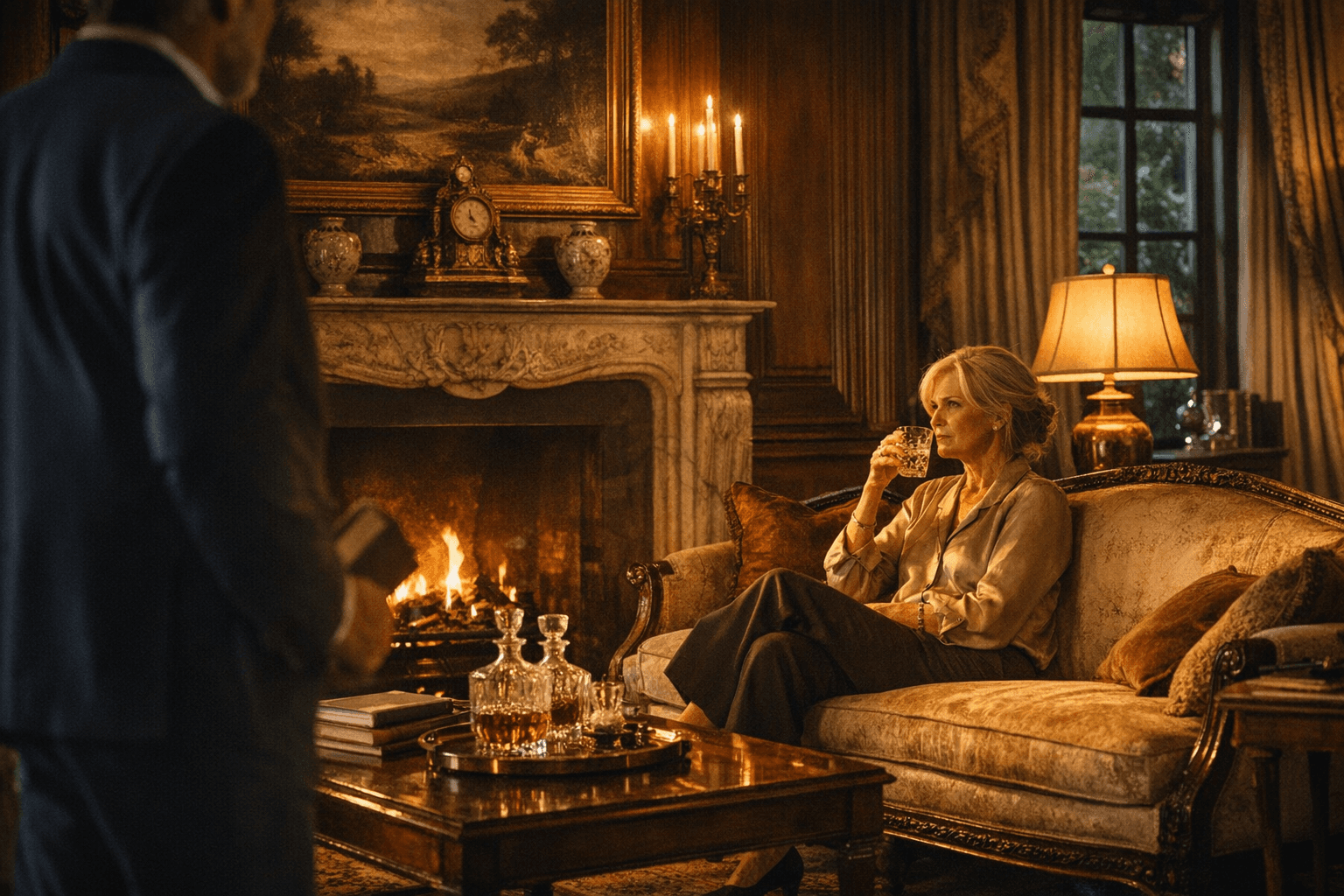
Statement lighting and character‑rich fixtures (Owen) “Statement light fixtures will continue to reign supreme... Owen calls the look ‘character‑rich,’ opting for chandeliers and pendants that feel unexpected and set the tone immediately upon entry.” Put the money into one overhead piece that acts like a necklace for the room and layer down from there with sconces and table lamps.
Layered lighting and warmth Layering is functional and flattering: chandeliers, sconces, uplights and candlelight work together to create mood. TheCoolist’s note about layering keeps glamorous rooms from tipping into flashiness — use dimmers and warm LED temperature settings.
Curved velvet sofas and marble consoles Invest in one sculptural sofa — curved velvet — and balance it with a slim‑leg marble console for contrast. YouTube how‑tos recommend these exact silhouettes to provide drama without density in a small or large plan.
Bouclé, mohair and chenille for tactility “In 2026, quiet luxury meets personal storytelling,” the YouTube guide argues, urging tactile textiles like bouclé, mohair and chenille against glass and steel to create a lived warmth. These fabrics read expensive because they age into themselves and invite touch.
Mirror magic for small rooms “Harness mirror magic with oversized brass‑framed pieces to double light and space,” the video recommends; a single well‑placed brass mirror can visually widen a narrow room and amplify daylight from a garden view.
Plants and biophilic accents Choose sculptural, low‑maintenance plants — olive trees, ferns, white orchids — in stone or ceramic containers that harmonize with the palette. ThePinterest motif of large windows and tree views complements this advice: greenery looks best when it feels like an extension of the landscape beyond.
Sculptural accessories and shelf styling Style shelves symmetrically with ceramics and artworks that echo your palette, and add a marble orb or handcrafted vase for texture. TheYouTube guidance to treat accessories as a visual sentence helps a shelf look curated rather than cluttered.
Metallic whispers and satin finishes Use metallics as accents — gilt frames, brass handles, a silver punch bowl — rather than as primary surfaces. Satin and muted metallics provide the whisper of luxury noted across sources without reading as costume.
Statement art and large‑scale work Large abstract prints or textural wall hangings supply drama without the shout of trends; scale is key — choose a work that breathes with the sofa rather than a collection that competes for attention.
Coffee table and ottoman anchoring Anchor seating groups with a solid coffee table or ottoman that serves as both functional surface and stylistic centrepiece. AboutWallArt recommends anchoring seating with a “beautiful coffee table or ottoman” to encourage lingering and connection.
Wood flooring and warming finishes (Pinterest) Pinterest pins repeatedly show wood flooring as the foundation for old‑money living rooms — choose wide planks in oak or walnut and let them show their dents and stories. Add a protective rug and you’ve got the layered underfoot richness House Beautiful calls for.
Fireplaces as emotional centers “These beautiful nooks aren't afterthoughts tucked wherever they fit; they're emotional centers of the home,” House Beautiful notes; a well‑framed fireplace instantly creates the primary seating group and a place to gather for ritual.
Scent and atmosphere: candles and diffusers “True luxury is about how a space makes you feel,” the YouTube advice reminds us — layer scent with amber diffusers, candles in crystal holders and cashmere throws to create an olfactory memory that reads as hospitality.
Small‑room scaling and one focal piece For compact plans, select one well‑chosen piece to act as the room’s soul — be it a curved sofa or a standout painting — and rely on petite chairs and slim consoles to keep pathways open. The YouTube checklist is practical: scale everything down and keep circulation elegant.
Ritual, play and the future of old‑money living rooms Lubin captures the cultural shift succinctly: “The return of analog socializing is reshaping room layouts in 2026, with homeowners wanting spaces that invite lingering, conversation, and play.” The living room is becoming less a showpiece and more a stage for ritual — mahjong tables, a poker corner, an afternoon tea nook — and that’s the honest luxury: rooms made to be used and remembered.
If quiet luxury in 2026 means anything, it is this: choose materials that improve with time, arrange furniture to invite human exchange, and invest in one or two crafted statements — a chandelier, a velvet sofa, a gilt mirror — that read like family heirlooms rather than showroom trophies. Those are the 28 ways a living room whispers luxury rather than shouting it.
Know something we missed? Have a correction or additional information?
Submit a Tip