31 arrested as rival marches clash in central London protests
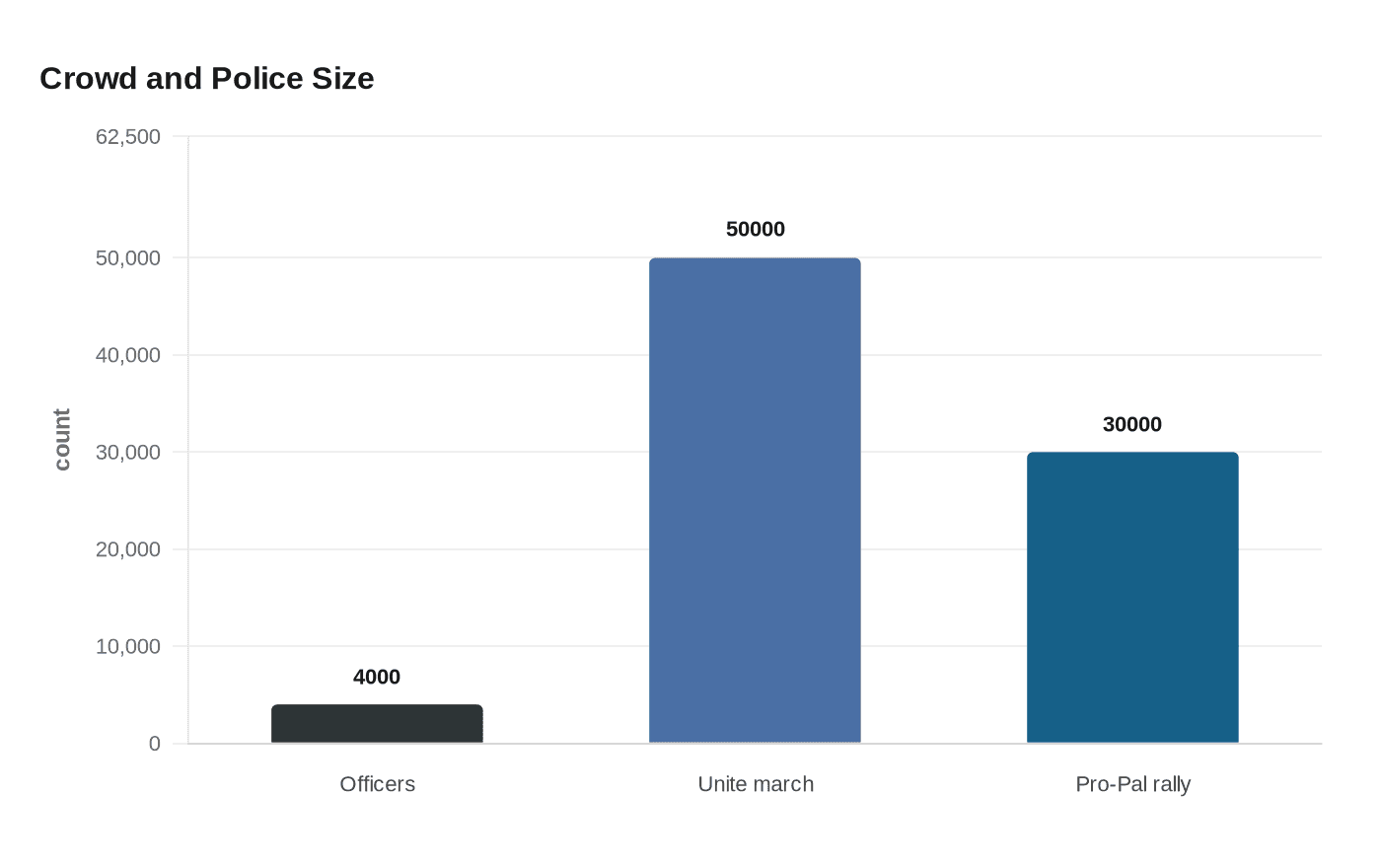
Police arrested 31 people as 50,000 marchers and 30,000 pro-Palestinian protesters filled central London, in one of the Met’s biggest recent public-order operations.
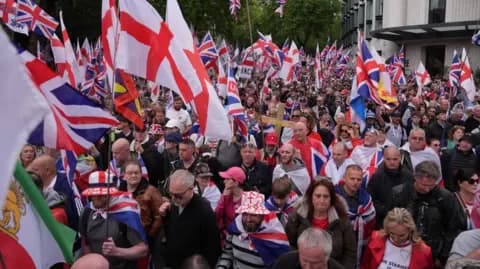
Police arrested 31 people as rival marches converged on central London, with officers trying to keep Tommy Robinson’s Unite the Kingdom demonstration separate from a pro-Palestinian Nakba Day rally amid fears of disorder and wider political tension.
The Metropolitan Police said the operation covered both events on Saturday, 16 May 2026, and involved around 4,000 officers in what it described as one of its most significant public-order deployments in recent years. Police had estimated about 50,000 people would attend the Unite the Kingdom march and about 30,000 would join the pro-Palestine rally, reflecting the scale of a day that placed public order and free expression under intense strain in Westminster and nearby streets.

Authorities said the first priority was to stop the two crowds from colliding. By early afternoon, police said they were largely keeping the demonstrations apart while arrests were made for a range of offences. The Met has faced mounting pressure over how it manages large-scale protest in the capital, especially when rival political causes overlap and the risk of flashpoints rises.
The government sharpened the political stakes before the march by blocking 11 foreign nationals it described as far-right agitators from entering the UK. Prime Minister Keir Starmer said the march was a stark reminder of what the government was up against and described its organisers as peddling hatred and division. The statement underlined how the day’s protests had become more than a policing challenge, with immigration, extremism and the Gaza war all feeding the atmosphere on the streets.
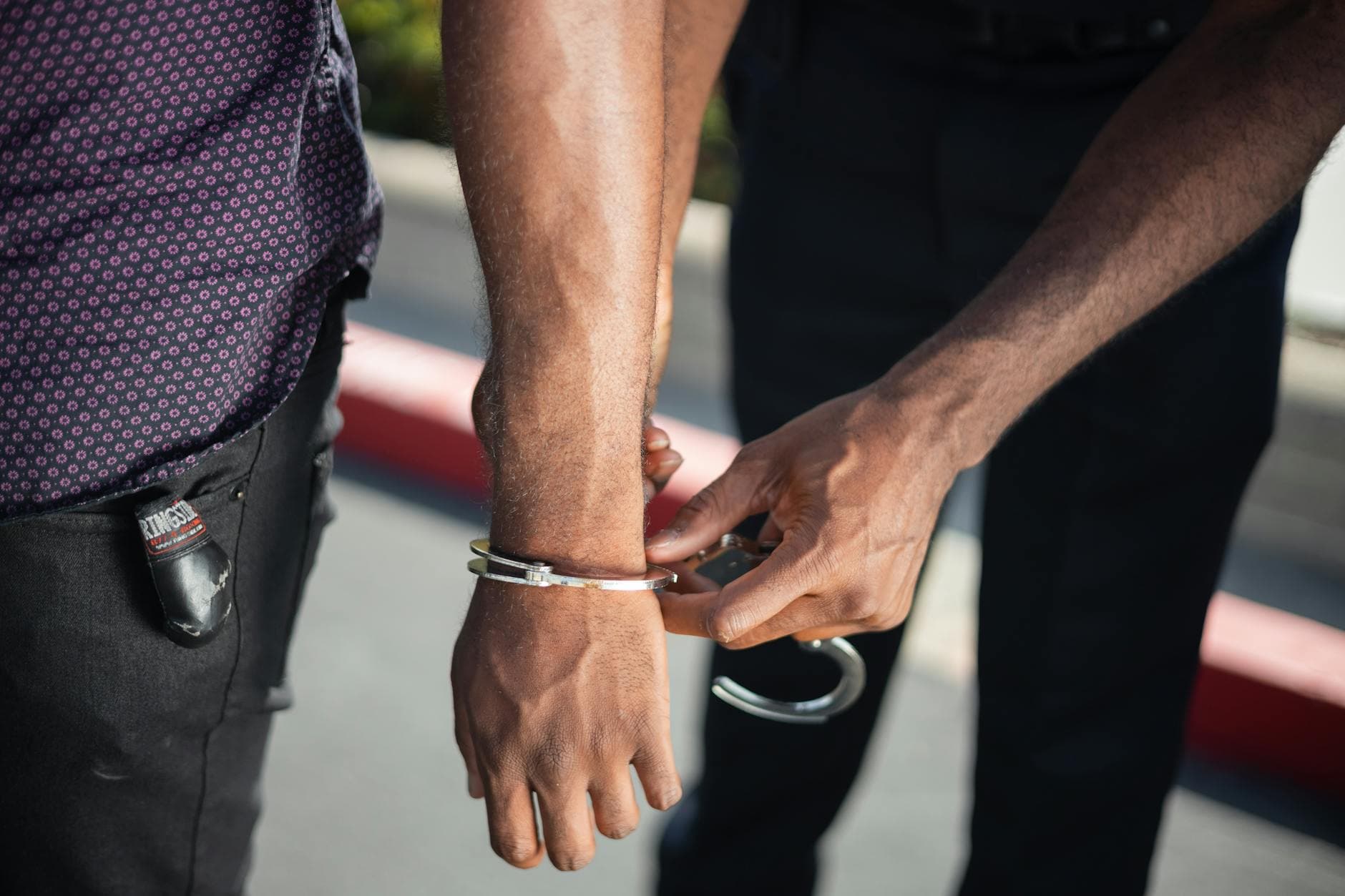
The arrests also drew comparisons with the previous Unite the Kingdom rally on 13 September 2025, when the Met recorded 23 arrests. Police later noted injuries to officers during that operation, adding to concerns about the pressure these mobilisations place on front-line officers and crowd-control tactics. Saturday’s turnout and policing footprint suggested officials were preparing for the possibility that protest politics, not just isolated disorder, could test the city’s ability to absorb simultaneous mass demonstrations.
The rival marches have become a measure of Britain’s widening political fault lines, where anti-immigration activism, far-right mobilisation and pro-Palestinian solidarity now meet in the same public spaces. The Met’s task was not only to manage the crowds, but to prevent London’s streets from becoming the point where those tensions spilled into open confrontation.
This article was produced by Prism’s automated news system from verified source data, official records, and press releases, then run through automated quality and moderation checks before publishing. The system is built and supervised by the people who set the standards it runs under. Read our full AI policy.
Did this article answer your question?


