31,000 Kaiser nurses begin open-ended strike over staffing and pay
Thousands of nurses and health workers struck Kaiser Permanente facilities across California and Hawaii, pressing demands on staffing levels and wages.
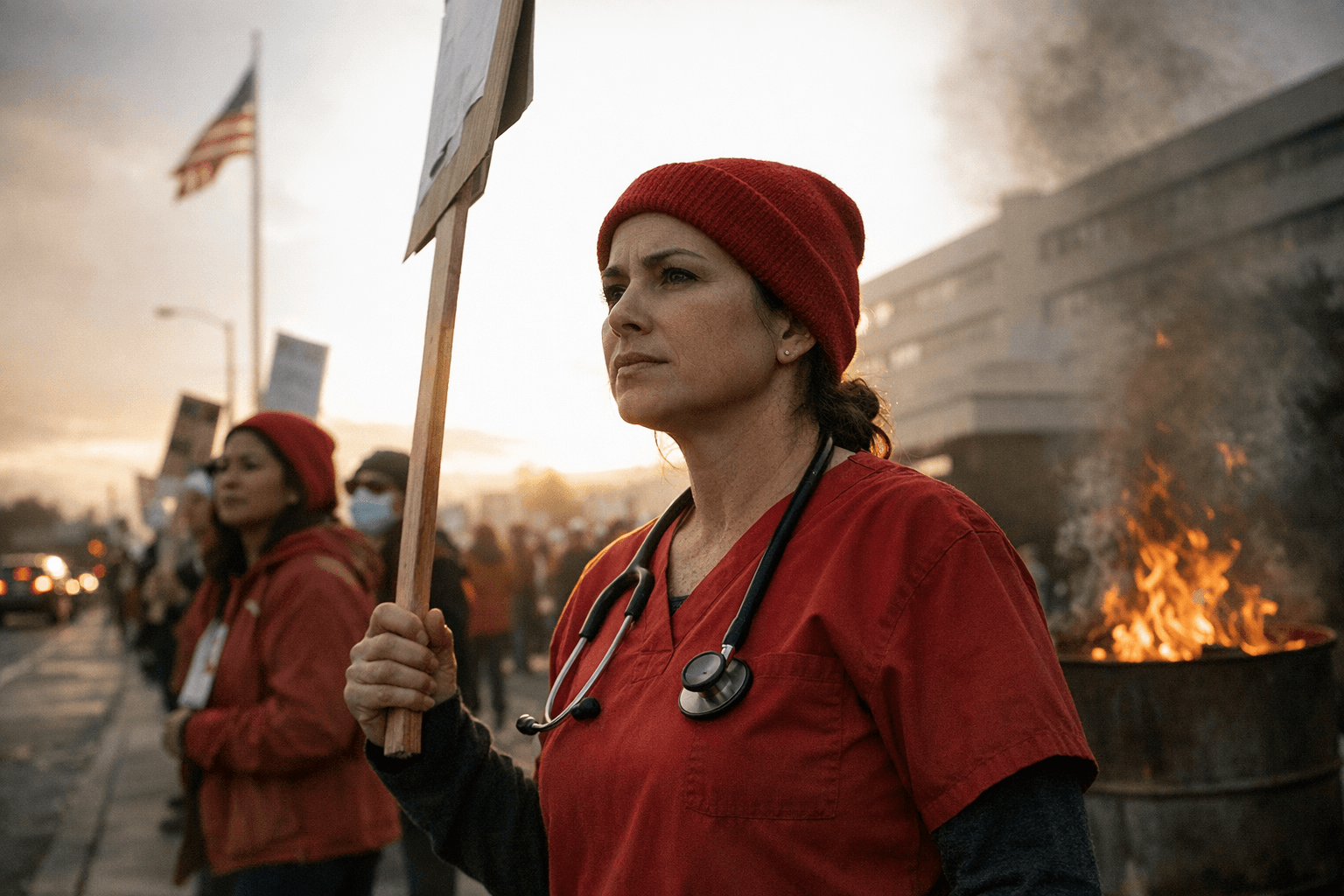
About 31,000 nurses and health-care workers walked off the job at Kaiser Permanente facilities across California and Hawaii, beginning an open-ended strike after contract talks collapsed. The action, called by the United Nurses Associations of California and the Union of Health Care Professionals, targets staffing levels and pay as negotiators failed to reach agreement on a new multi-year contract.
Picket lines formed at medical centers, outpatient clinics and administrative sites as union members halted routine duties and pressed for binding limits on patient-to-nurse ratios, wage increases and commitments to hiring and retention. The scale of the work stoppage makes it one of the largest single-employer strikes in recent U.S. health-care labor history and poses immediate operational challenges for the integrated health system.
Health-care experts say the grievances reflect long-standing tensions in hospitals and large health networks. Research has repeatedly shown a link between nurse staffing and patient outcomes: higher nurse workloads are associated with worse outcomes, including higher complication and readmission rates. Nurses and their advocates say inadequate staffing contributes to burnout and turnover and undermines patient safety, while employers cite financial pressures and workforce shortages when setting staffing models and compensation.
Kaiser Permanente operates an extensive network of hospitals and clinics in the region, and the strike poses logistical and clinical questions for administrators. Hospitals generally prepare for labor actions with contingency staffing plans and by prioritizing emergency and critical services, but those measures can strain resources and alter care delivery for scheduled procedures and routine appointments. Patients with nonemergency needs may experience delays or be directed to other providers, and local health systems could feel secondary impacts as demand shifts.
The unions framed the strike as a response to persistent staffing shortfalls and pay that they say lags the rising cost of living and the demands of modern clinical work. The open-ended nature of the work stoppage signals that union leaders intend to sustain pressure until they secure enforceable staffing rules and improved compensation in a contract that would cover tens of thousands of caregivers.
Negotiations had continued into the final days before the walkout but failed to produce a new agreement. With both sides under intense public scrutiny, the coming days will test the ability of negotiators to bridge differences and restore operations without undermining patient care. State officials and health-sector leaders will be watching for signs of broader disruption and for efforts to mediate a settlement.
Beyond the immediate bargaining table, the strike underscores a national conversation about the future of hospital staffing, labor rights and the financial models that sustain large health systems. As health systems balance costs, staffing and quality goals, labor actions of this size are likely to influence policy debates over workforce regulation, funding and how care is organized to meet both economic constraints and patient safety imperatives.
The strike remains in effect as negotiations stand suspended; both sides will determine next steps as picket lines and contingency operations continue across California and Hawaii.
This article was produced by Prism’s automated news system from verified source data, official records, and press releases, then run through automated quality and moderation checks before publishing. The system is built and supervised by the people who set the standards it runs under. Read our full AI policy.
Did this article answer your question?