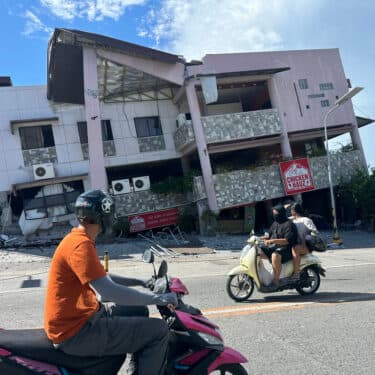
5.8 magnitude earthquake strikes off Greece's Crete island
A 5.8 quake hit offshore Crete at 13 kilometers deep, rattling a peak tourism island with no immediate reports of damage.
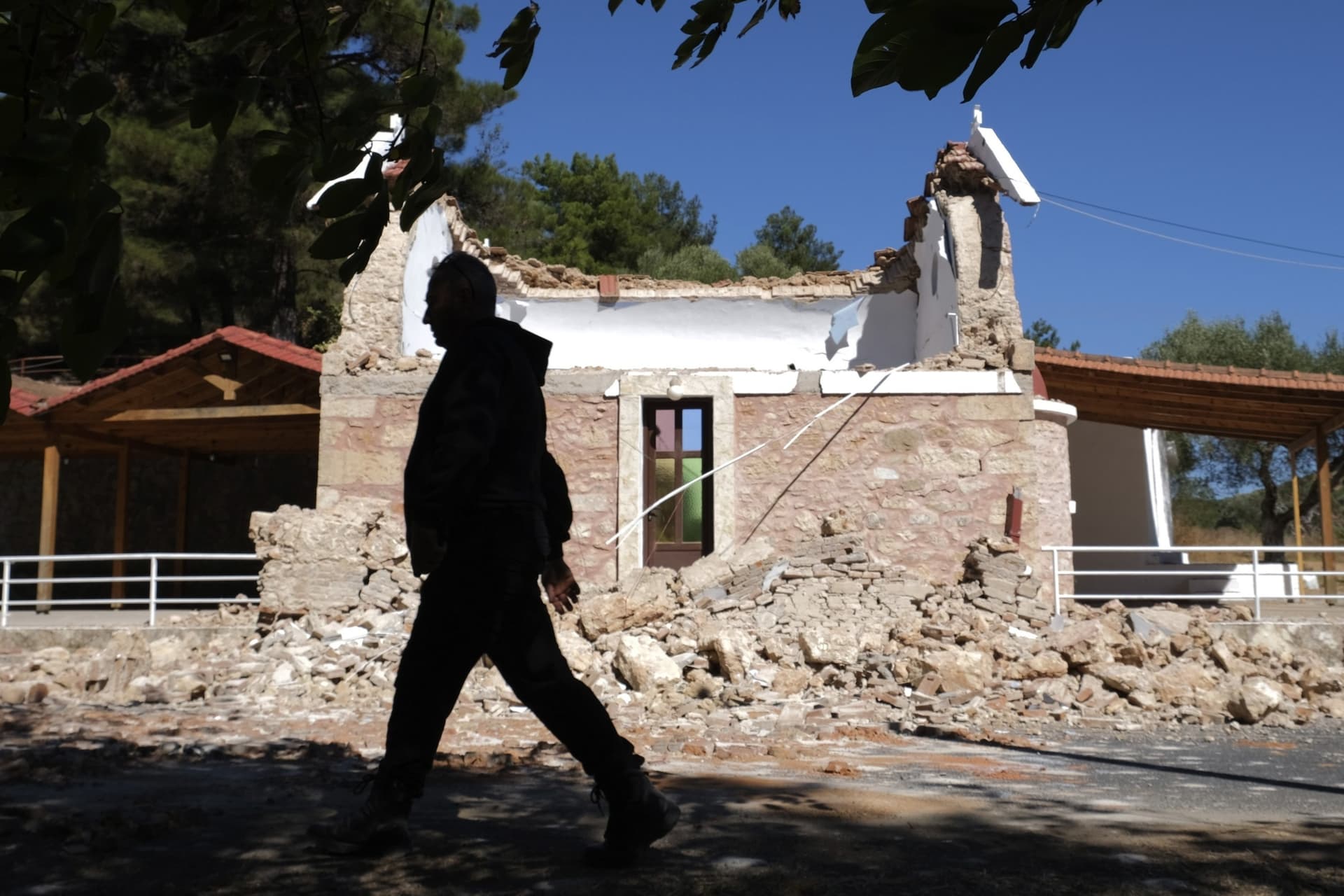
A magnitude 5.8 earthquake shook waters southwest of Crete on Saturday, sending another reminder through Greece’s most seismically active territory just as the summer travel season begins to fill the island’s ports, hotels and coastal roads. No immediate reports of destruction surfaced after the quake.
The European-Mediterranean Seismological Centre placed the epicenter 69 kilometers south-southwest of Rethymno at a depth of 13 kilometers, about 8 miles. That offshore, relatively shallow profile can spread shaking across a wide area while still limiting damage when it does not trigger landslides, structural failures or a tsunami threat, and none of those broader effects had been reported.

For Crete, the concern is not only the shaking itself but how quickly the island can absorb a larger hit if one follows. June is a busy stretch for ferry traffic, coastal tourism and local commerce, and even a contained quake can strain the systems that move visitors, inspect older buildings and check roads, harbors and shoreline settlements. Greek civil protection authorities had not announced evacuations or emergency measures in the initial hours, a sign that the first assessment pointed to a manageable event rather than a major disaster.
The island has been rattled repeatedly in recent months. A 4.6-magnitude quake struck south-southwest of Goudoura in eastern Crete on April 19, 2026, with no reported injuries or damage, and another 5.0-magnitude tremor was recorded off Crete on April 24. On May 22, 2025, a 6.1-magnitude quake east-northeast of Heraklion prompted rescue units to be placed on standby and caused some damage to unsound buildings, underscoring how quickly a stronger event can expose weak structures.
That is why every offshore jolt around Crete draws attention beyond the island itself. Greece sits on one of Europe’s most active seismic belts in the eastern Mediterranean, and strong earthquakes are far from rare. AP has pointed to the September 1999 earthquake near Athens as a grim benchmark, a magnitude 5.9 event that killed 143 people, collapsed 110 buildings and severely damaged more than 5,000 others. Saturday’s quake did not produce that kind of toll, but the lack of early damage reports does not erase the larger question now facing Crete: whether its warning systems, emergency response and building stock are ready if the next tremor is closer, deeper inland or simply stronger.
This article was produced by Prism’s automated news system from verified source data, official records, and press releases, then run through automated quality and moderation checks before publishing. The system is built and supervised by the people who set the standards it runs under. Read our full AI policy.
Know something we missed? Have a correction or additional information?
Submit a Tip