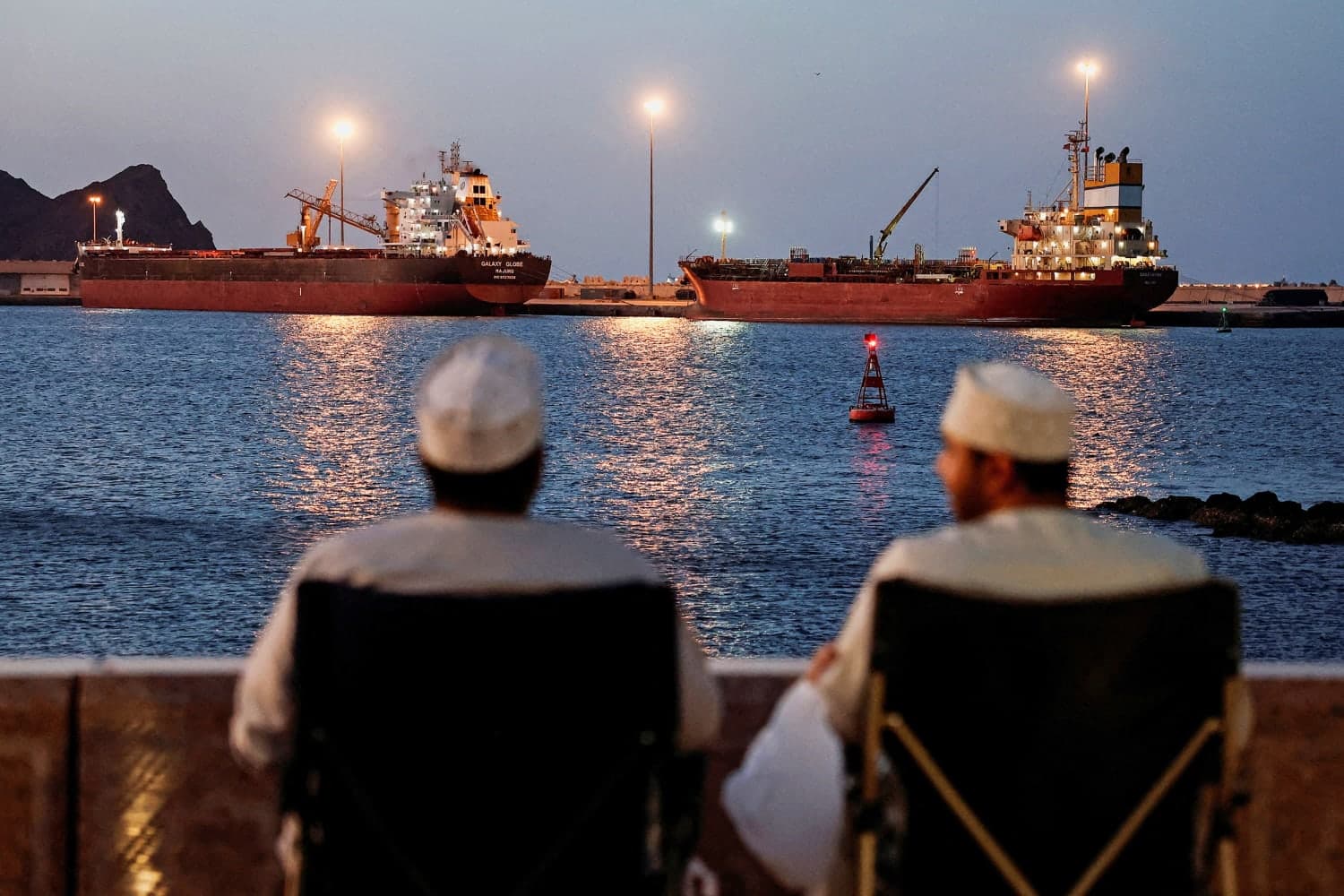
AP survey finds World Cup host cities grappling with homelessness
Host cities are clearing downtowns and stadium zones in different ways, but most are leaning on existing homelessness programs as the World Cup nears.
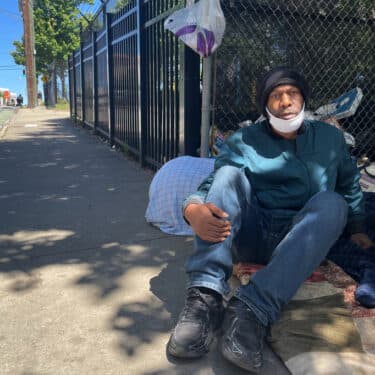
The World Cup is forcing 16 host cities to show how they handle homelessness in the blocks that matter most: downtown corridors and stadium neighborhoods. In surveys organized by AP reporters Charlotte Kramon, Michael Casey and RJ Rico, the cities revealed a patchwork of responses that ranges from housing pushes to encampment removals, all under the pressure of a 39-day soccer tournament that begins June 11.
The common thread is that most cities are not building new systems for the event. They are relying on existing programs, and most have no new World Cup-specific funding tied to homelessness response. That leaves local governments trying to manage a visible problem in front of a global audience with the same tools they were using before the tournament ever came into view.
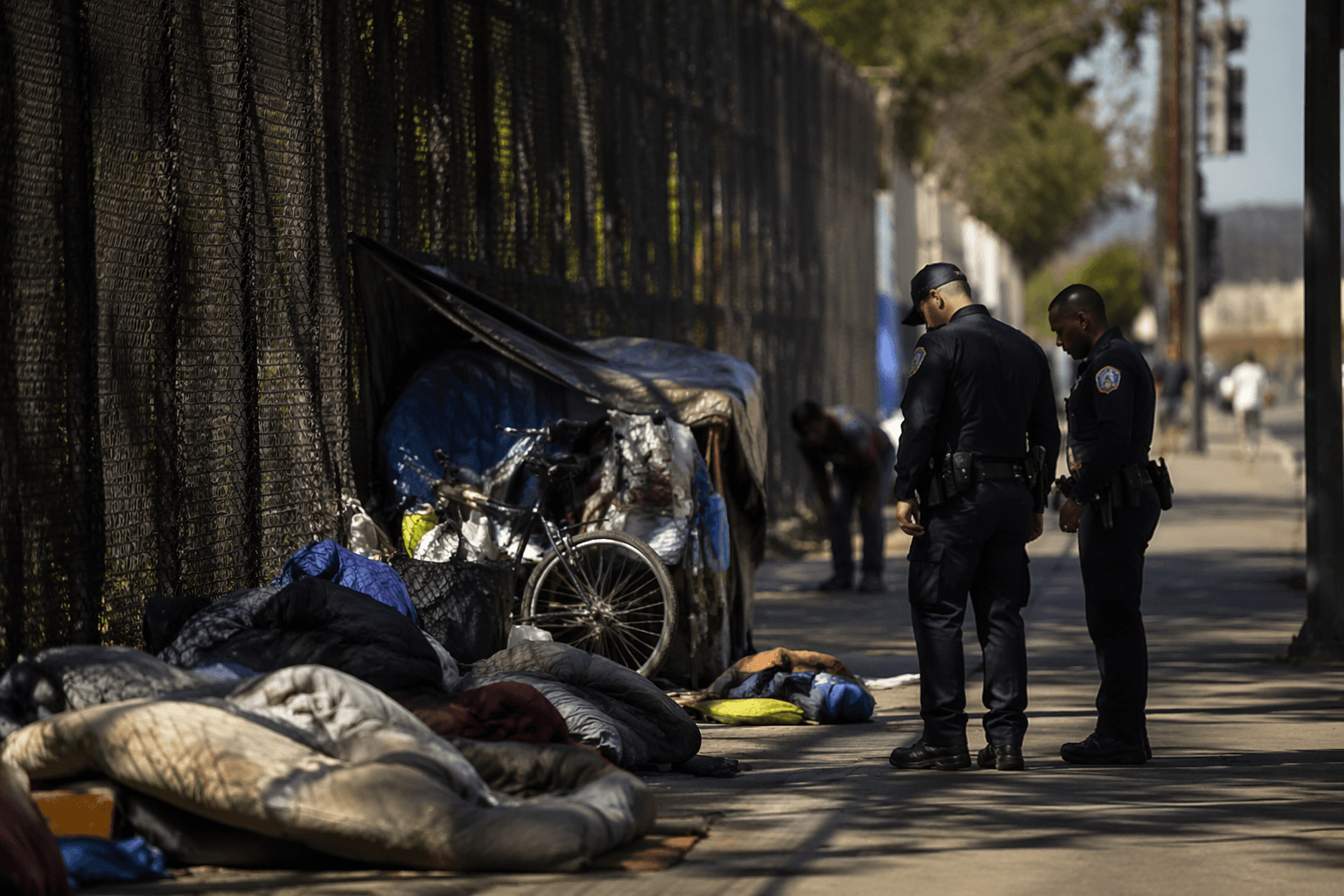
Atlanta has taken the most explicit pre-tournament approach. Its Downtown Rising program, launched last summer, said it has housed nearly 500 people as city leaders moved to end encampments and street sleeping downtown ahead of the matches. Seattle said it was using the World Cup to gauge progress on a housing push, while still facing visible encampments in its tourist corridor as the city prepared for games.
Dallas has leaned hardest into enforcement and image control. The city expanded an effort to house homeless people living downtown, but it also more than doubled sleeping-in-public citations in 2025 compared with 2024. That approach echoes Dallas’ playbook from the 1994 World Cup, when the city again tried to manage what officials and event planners viewed as an obstacle to a polished international showcase.
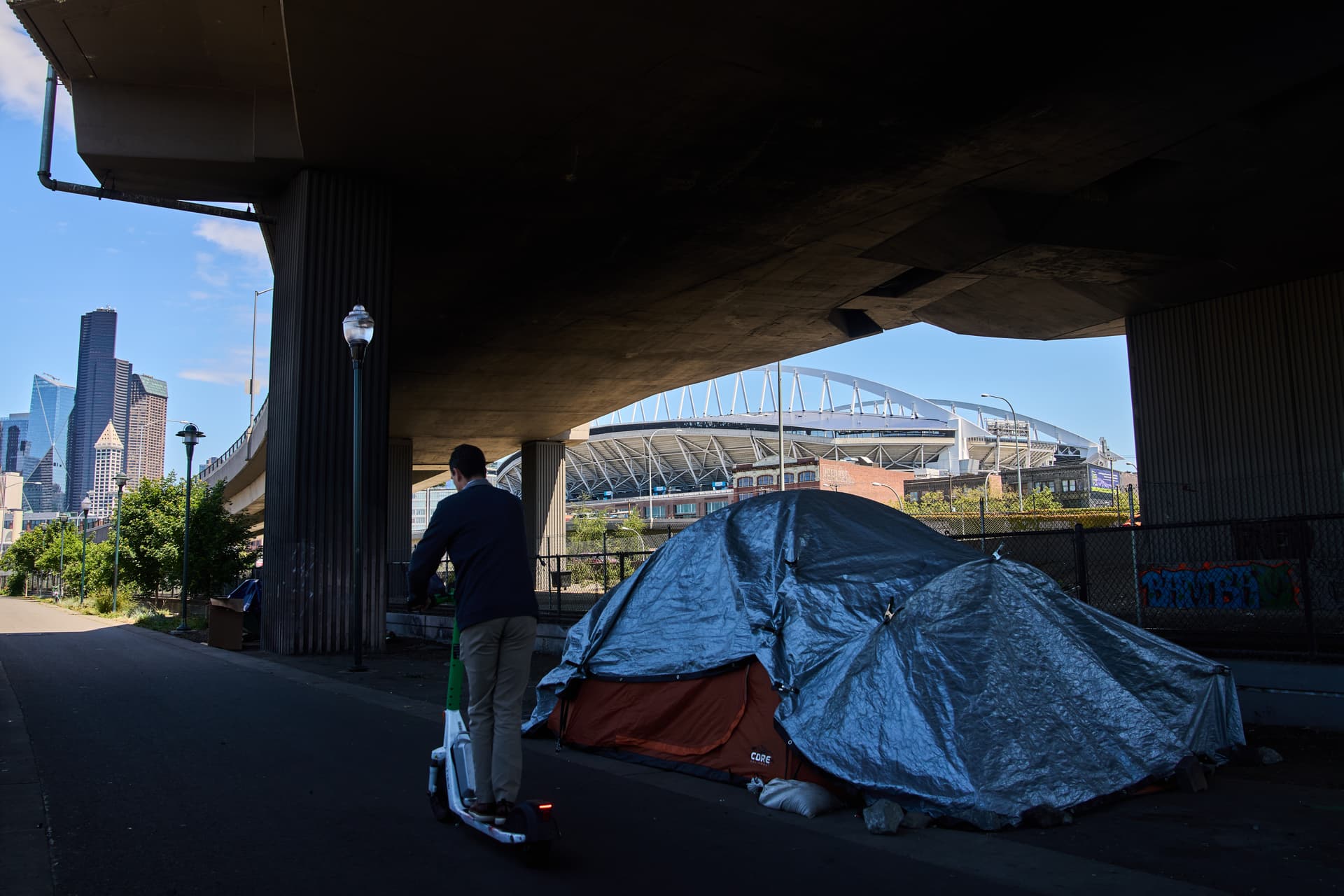
The AP project places those local decisions in a broader historical pattern. Major sporting and political events have often prompted cities to treat homeless people as an eyesore to be removed before guests arrive. This time, the pressure is sharpened by the scale of the tournament and by the stakes for the cities hosting it, from Atlanta and Dallas to Seattle, New York, Boston, Philadelphia, Miami, Houston, Toronto and Vancouver, British Columbia.
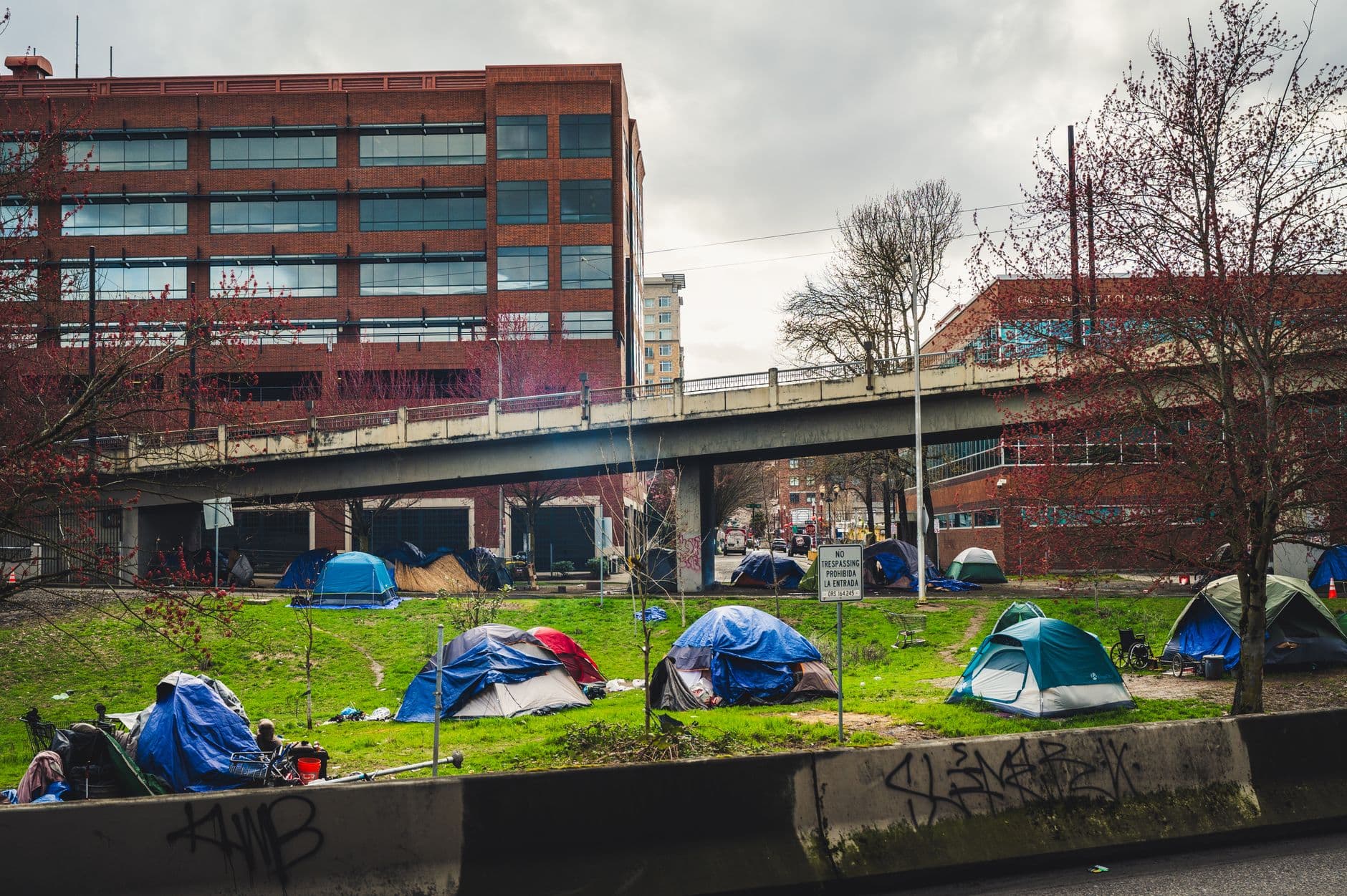
By including homeless advocates and homeless people themselves, the reporting shows what is usually missing from the ceremonial version of a host city: the people displaced, ignored or pushed out of sight while officials prepare for visitors. The tournament may be marketed as sport and spectacle, but on the street it is also a test of whether cities are solving homelessness or simply moving it out of frame.
This article was produced by Prism’s automated news system from verified source data, official records, and press releases, then run through automated quality and moderation checks before publishing. The system is built and supervised by the people who set the standards it runs under. Read our full AI policy.
Know something we missed? Have a correction or additional information?
Submit a Tip