6-axis Non-Planar Printing Enables True 3D Toolpaths, Stronger Parts
6-axis robotic arms and tilting beds let printers move in XY and Z at once, creating true 3D toolpaths that cut support, smooth shallow surfaces, and produce stronger parts, per maker demos and an MDPI case study.
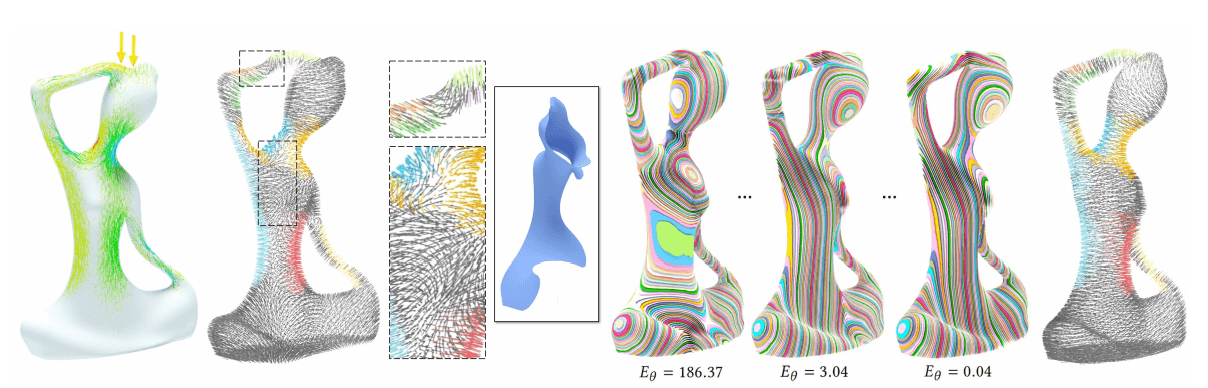
6-axis systems and tilting beds are turning layered FDM into what makers call “true 3D tool paths,” and the practical effects are already visible: smoother shallow surfaces, fewer support structures, and demonstrably tougher parts in maker and academic work. The original framing is blunt and specific: “6-axis robotic systems enable non-planar printing in full 3D space, using tilting beds and arms for continuous toolpaths. This overcomes layer-by-layer limits, yielding stronger parts with less support and smoother finishes.”
The technique has roots in the maker scene and academic work. Teaching Tech’s walkthrough, which attracted 1,479,219 views after posting on 2 Sep 2019 and sits on a channel with 574,000 subscribers and 44,806 likes, calls the approach a game changer: “This is the most interesting thing I’ve done with my 3D printer in some time.” The video explicitly credits Daniel Ahlers’ Masters Thesis at the University of Hamburg and points viewers toward a Hackaday write-up and GitHub post-processing scripts that enable non‑planar slices.
How non‑planar works in practice is concrete: instead of “printing in a series of 2D planes stacked up to form a 3D shape (2.5D), this non planar technique creates geometry with true 3D tool paths that can eliminate the steps often seen on shallow surfaces,” as Teaching Tech describes it. Implementations use tilting beds or articulated arms so the nozzle and bed move in XY and Z simultaneously, enabling continuous toolpaths rather than separate flat layers.
Maker-level workflows already show useful tactics. Hackaday describes printing a “non-planar PETG mold or substrate” first so “the printed object releases from the mold, while the mold stays on the print bed and can be reused multiple times.” Hackaday also reports that “At slow first non-planar object layer speeds, the mold surface texture is also transferred onto the object,” and gives material examples: “With PLA-CF for example, this means one can print smooth plane wings, fan blades and drone props that are strong under tension but have no form limitations, all while having smooth surfaces on both sides.”
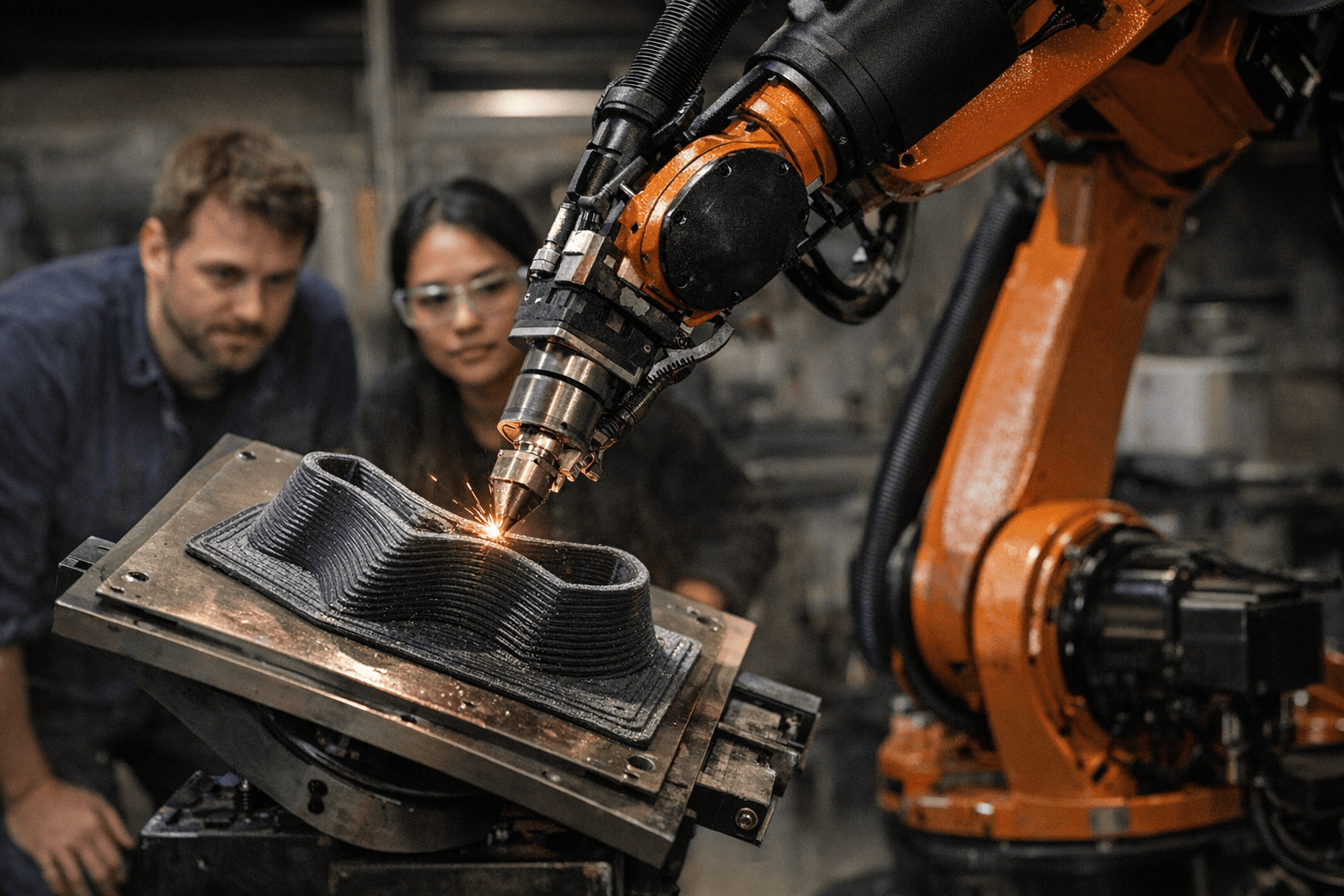
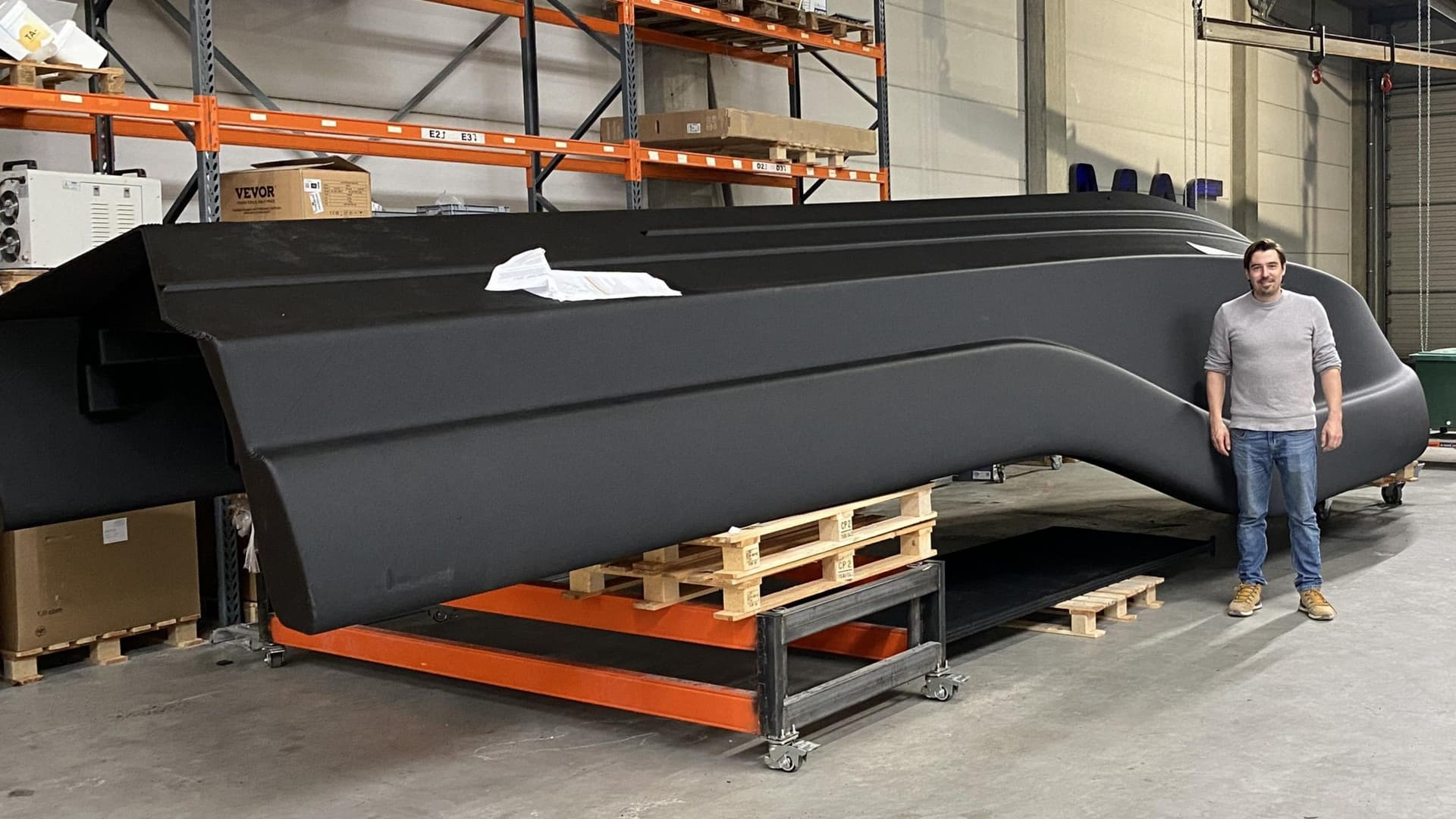
Industrial demos are pushing the same physics at scale. LinkedIn excerpts promoting work “By Massive Dimension with ABB Robotics” list concrete system specs: a 500°C all-metal hot end for industrial materials, a 55×55×50 cm build space, intelligent torque sensing for precise extrusion, and touch-and-stop safety built into the control loop. Those posts frame the work as “unlocking a whole new level of design freedom” and as an “early look at how robotic arms will redefine additive manufacturing.”
Academic validation ties the maker hype to sustainability. An MDPI study in the excerpts finds that “This study demonstrated, through the complete development of a case study and the use of three different production methods, that non-planar 3D printing may constitute a turning point towards sustainable FDM production,” principally by enabling manufacturing on reusable rapid tools that replace disposable support meshes.
Limits remain and are spelled out by the same sources that praise the method. Teaching Tech warns “it's early days and there's still a lot of issues to overcome,” Michigan Prototyping Solutions lists “G-code complexity and hardware limitations,” and Hackaday notes practical material tradeoffs such as PLA and PETG adhesion behavior and higher PETG temperatures. Taken together, the evidence points to a clear trajectory: Real3DFFF and GitHub post-processing scripts have made the method reproducible for tinkerers, Ahlers’ thesis and MDPI’s case study give it academic legs, and ABB/Massive Dimension demos show an industrial pathway. Expect non-planar toolpaths to migrate from viral demos to validated production workflows as teams reconcile slicer complexity, material strategies, and safety for larger print volumes.
Know something we missed? Have a correction or additional information?
Submit a Tip