60-Minute Prep Checklist for Dungeon Masters Running 3-4-Hour One-Shots
Prep a tight, playable 3–4 hour one-shot in 60 minutes by choosing one clear hook, handing out pregens, and leaning on minimal maps to keep play brisk and fun.

1. Set the clock and scope
Decide now that you have 60 minutes of prep for a 3–4 hour one-shot and commit to that constraint. Treat the session length—3–4 hours—as your fixed variable: that determines encounter count, villain complexity, and how much roleplay you can afford. Writing the time limit on your prep sheet keeps decisions pragmatic (cut options that would push you past the session end).
2. Pick one core adventure hook
Write a single, one-sentence hook that explains who, what, and why; this is the only story promise you’ll answer in the session. With one core adventure hook, players get a clear objective and you avoid branching plots that bloat a 3–4 hour runtime. Example structure to write in 30 seconds: “Recover the stolen reliquary from the river tunnels before the tide returns.”
3. Use prebuilt characters (pregens) only
Have a set of prebuilt characters ready to hand to players—no character creation at the table—because your 60-minute prep must produce ready-to-play options. Prep 4–6 pregens with distinct roles (tank, healer, skill monkey, striker) and a one-line personality hook for each so players can pick fast and start roleplay immediately. Include a one-page stat block and a note of one signature ability per character to speed decisions during combat.
4. Design minimal maps and plan one battlemat beat
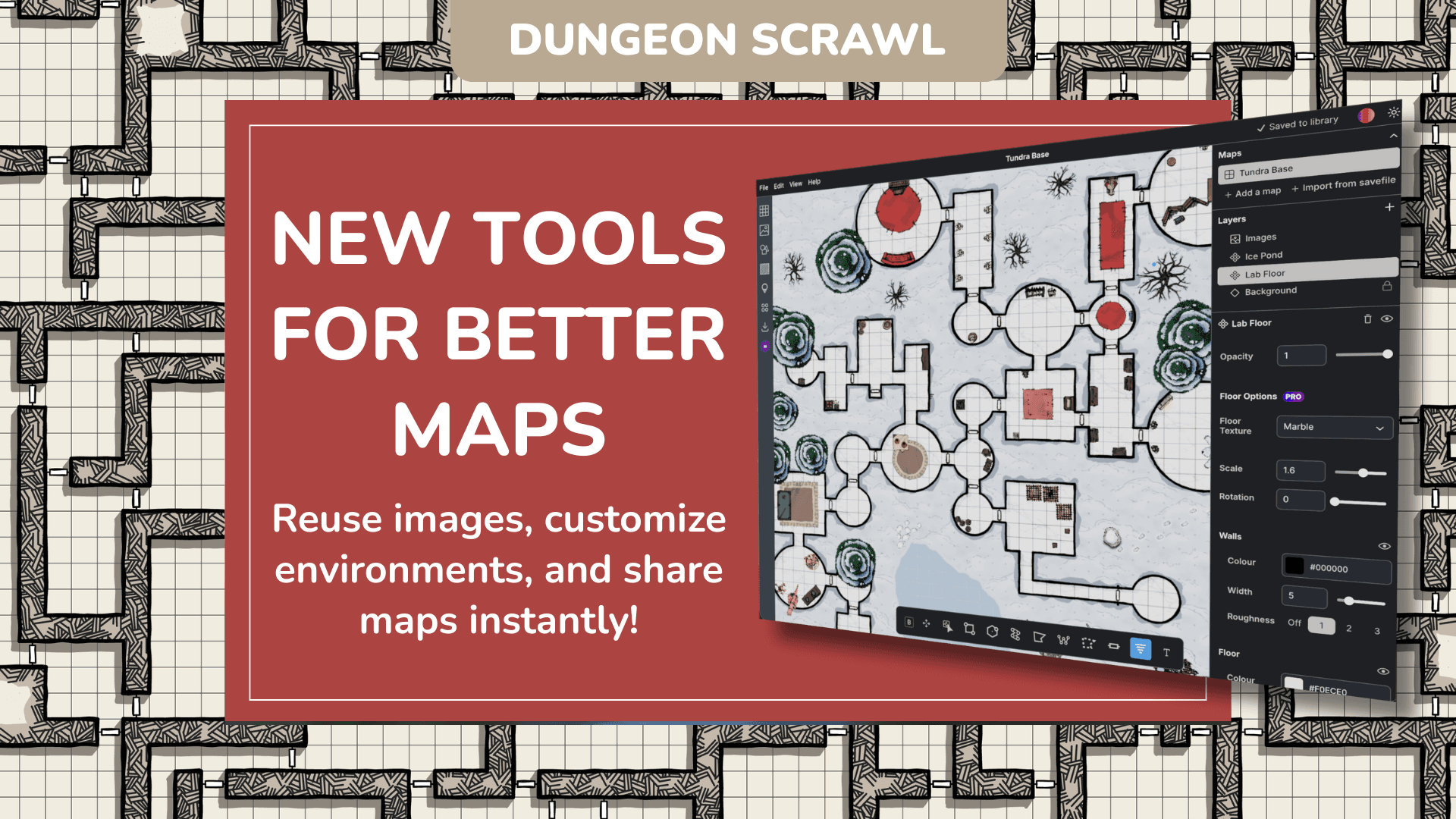
Plan for minimal maps: one detailed battlemat-sized map for the main combat beat and smaller sketch maps or theater-of-the-mind setups for everything else. With minimal maps you save prep time and reduce table clutter; reserve the printed/virtual map for the single fight you expect to be climactic in the 3–4 hour window. If you’re using a VTT, load only that primary map and token art beforehand.
5. Build three tight encounters (social, skill, combat)
Limit yourself to three core encounters that directly advance the core hook—one social, one skill/chase, and one combat—so pacing fits a 3–4 hour session. Each encounter should have a clear objective, one success condition, and one fail condition to keep stakes immediate and table movement quick. Because you’re prepping in 60 minutes, write each encounter as a two–three bullet outline: setup, player choices, likely NPC actions.
6. Make an NPC roster of 3–5 names and motivations
Prepare a tiny NPC list focused on relevance to the hook—3–5 people at most—so you don’t drown in characterization mid-session. For each NPC include a one-line motivation, one memorable trait, and one stat or skill you’ll need in play (e.g., “Tilda, river boat captain — drinks too much, knows secret dock passphrase, Persuasion +3”). This makes improvisation fast and compatible with your minimal maps and pregens.
7. Prepare quick loot and advancement rules
Decide up front how you’ll handle treasure and advancement to avoid slowing the table; milestone or single-session bump works best for a 3–4 hour one-shot. Put together a handful of interesting, level-appropriate items (3–5 themed items) and a simple distribution method—one item per major encounter or shared split—and write it on your one-page prep sheet. That way you can hand out rewards on the fly during the session without pausing to calculate.
8. Build a one-page session flow and time checkpoints
Draft a one-page timeline that maps the 3–4 hour session into five to seven beats with target times (e.g., “0–30 min: introductions/pick pregens; 30–90 min: travel and social beat; 90–150 min: skill/chase; 150–210 min: combat resolution”). Having checkpoints keeps you honest about pacing and helps you cut content mid-session if time is slipping. Keep this page visible during play and set a discreet timer for the halfway mark.
9. Print player handouts and single-page cheat sheets
Prepare one-page handouts for the hook, a handout for important clues, and a cheat sheet for each pregen so players don’t have to flip through books. A single sheet that summarizes each pregen’s spells, signature ability, and two roleplay lines cuts decision time and lowers barrier for new players. For the core hook, create a one-paragraph in-world handout that can be read aloud or given silently to increase immersion quickly.
10. Set up tech and tools in advance
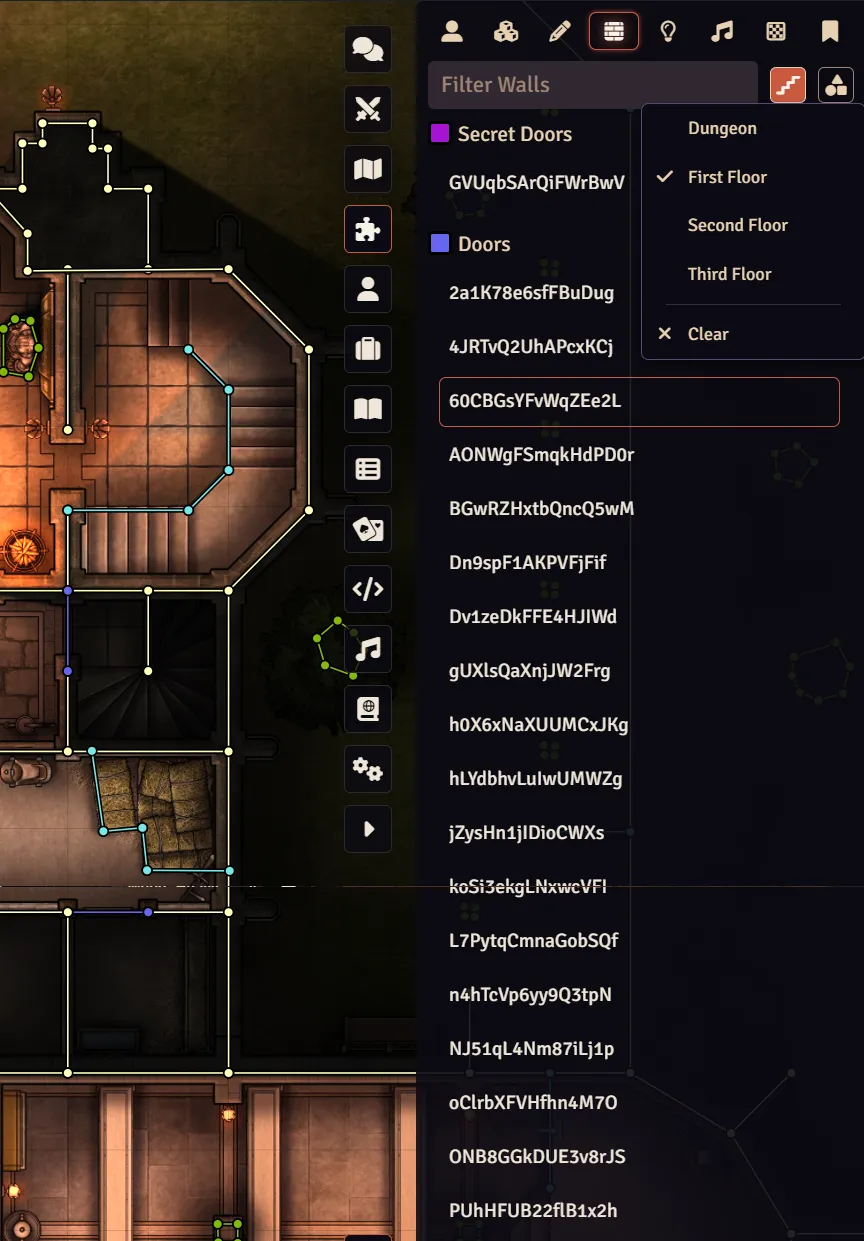
Spend part of your 60-minute prep loading your VTT map (if used), tokens, initiative tracker, and any sound cues for the main combat beat. Test one key macro or initiative tracker so the first combat rolls smoothly; in a 3–4 hour session, minute-by-minute efficiency matters. Also have physical backups: printed pregens, a printed map, and a phone timer if the VTT crashes.
11. Prep micro-improvisation notes and three fallback scenes
Write three micro-improvisation hooks or fallback scenes you can drop in if players go off the planned track; each should take 5–15 minutes and reinforce the core hook. Because your prep time is 60 minutes and your maps are minimal, these fallbacks should require no extra props—short dialogue beats, a trap that triggers a chase, or an NPC offer. These give you direction during player-led detours without wrecking the 3–4 hour arc.
12. Do a final 5–10 minute run-through and bag your materials
Spend the last 5–10 minutes of your 60-minute window performing a rapid run-through: read the one-sentence hook aloud, skim pregens, check the main map, and fold your timeline into a pocket. Pack pregens, the battlemat, handouts, and the one-page flow into a single folder so setup at the table takes under five minutes. This small rehearsal turns 60 minutes of prep into a confident table presence that keeps the 3–4 hour session moving.
Wrap: keep it ruthless and repeatable When you only have 60 minutes, every choice must shave time at the table: one hook, pregens, minimal maps, and three tight encounters. Use this checklist as a repeatable template—each item is deliberately sized for a 3–4 hour one-shot—so you can show up, start on time, and give players a complete, satisfying story in a single evening.
Know something we missed? Have a correction or additional information?
Submit a Tip