6.5-Magnitude Earthquake Rattles Guerrero and Mexico City - Two Dead
A 6.5-magnitude earthquake centered near San Marcos, Guerrero, shakes southern and central Mexico on Jan. 3, 2026, killing at least two people and triggering more than 500 aftershocks. The temblor caused localized destruction in coastal Guerrero, disrupted government operations in Mexico City and raised immediate concerns about infrastructure safety and emergency response as officials assess damage.
A 6.5-magnitude earthquake struck near the town of San Marcos on Mexico’s Pacific coast on Jan. 3, 2026, sending tremors felt roughly 250 miles (about 400 kilometers) away in Mexico City and across southern and central Mexico. Mexico’s National Seismological Service and the U.S. Geological Survey both reported the magnitude, with the USGS placing the epicenter about 2.5 miles north-northwest of Rancho Viejo, Guerrero and estimating a depth of 21.7 miles (about 34.9 kilometers). The national agency said the epicenter was about 14 kilometers outside San Marcos.
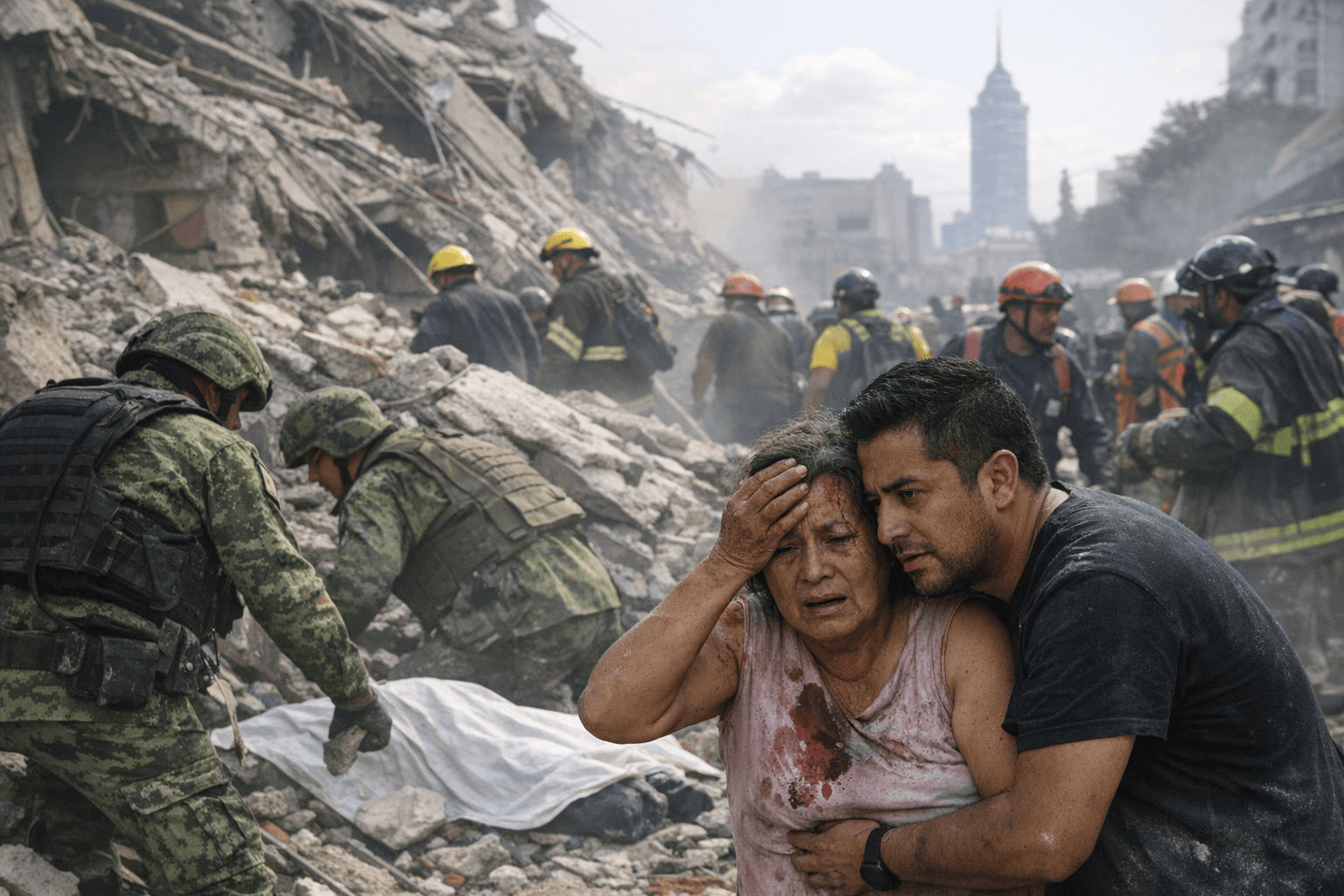
Authorities reported at least two fatalities linked to the quake. Guerrero Governor Evelyn Salgado said a 50-year-old woman died when her house collapsed in a small community near the epicenter. City officials in Mexico City reported a man died after falling while evacuating his residence; one local account identified him as a 60-year-old. Early counts varied among sources, but officials consolidated the toll at a minimum of two dead as search and damage assessments continued.
Local officials in San Marcos described extensive property damage. Mayor Misael Lorenzo Castillo said about 50 houses were destroyed and that "all the houses have cracks." Guerrero state civil defense reported landslides on highways around Acapulco and other parts of the state, and authorities evacuated patients from a hospital in Chilpancingo after it sustained major structural damage.
The quake set off a cascade of aftershocks: more than 500 were reported in the hours that followed, complicating rescue work and infrastructure inspections. In Mexico City seismic alarms sounded during the first presidential briefing of the new year, interrupting President Claudia Sheinbaum’s remarks and prompting evacuation of the presidential palace. Residents and tourists across Acapulco and the capital poured into the streets as hotels and apartment buildings evacuated; media images showed guests assisted outside lodging along the coast.
Emergency services mobilized quickly, with state and municipal civil defense agencies coordinating road clearances and assessing landslide risks that threatened transport links. Initial reconnaissance suggested damage was largely localized around the epicentral zone, but officials cautioned that assessments were preliminary and could change as teams reach more isolated communities.
Mexico’s western and central regions remain sensitive to strong seismic events, shaped by frequent interaction of the Cocos and North American tectonic plates. News accounts invoked the country’s memory of historic quakes, including deeply damaging events in 1985 and 2017, underscoring the risk to older structures and the importance of modern building codes. Engineers and emergency managers warned that the large number of aftershocks raises the probability of additional structural failures and urged residents in damaged areas to avoid reentering unstable buildings.
Authorities said they would continue monitoring seismic activity and carrying out inspections of schools, hospitals and critical infrastructure. For now, emergency teams are focused on damage verification, clearing roads blocked by landslides, and consolidating casualty and injury tallies as aftershocks persist through the day.
This article was produced by Prism’s automated news system from verified source data, official records, and press releases, then run through automated quality and moderation checks before publishing. The system is built and supervised by the people who set the standards it runs under. Read our full AI policy.
Did this article answer your question?