7.8 earthquake kills 35 in southern Philippines, triggers tsunami alerts
A 7.8 quake off Mindanao killed at least 35 and forced 10,000 families out as tsunami warnings spread across the southern Philippines.

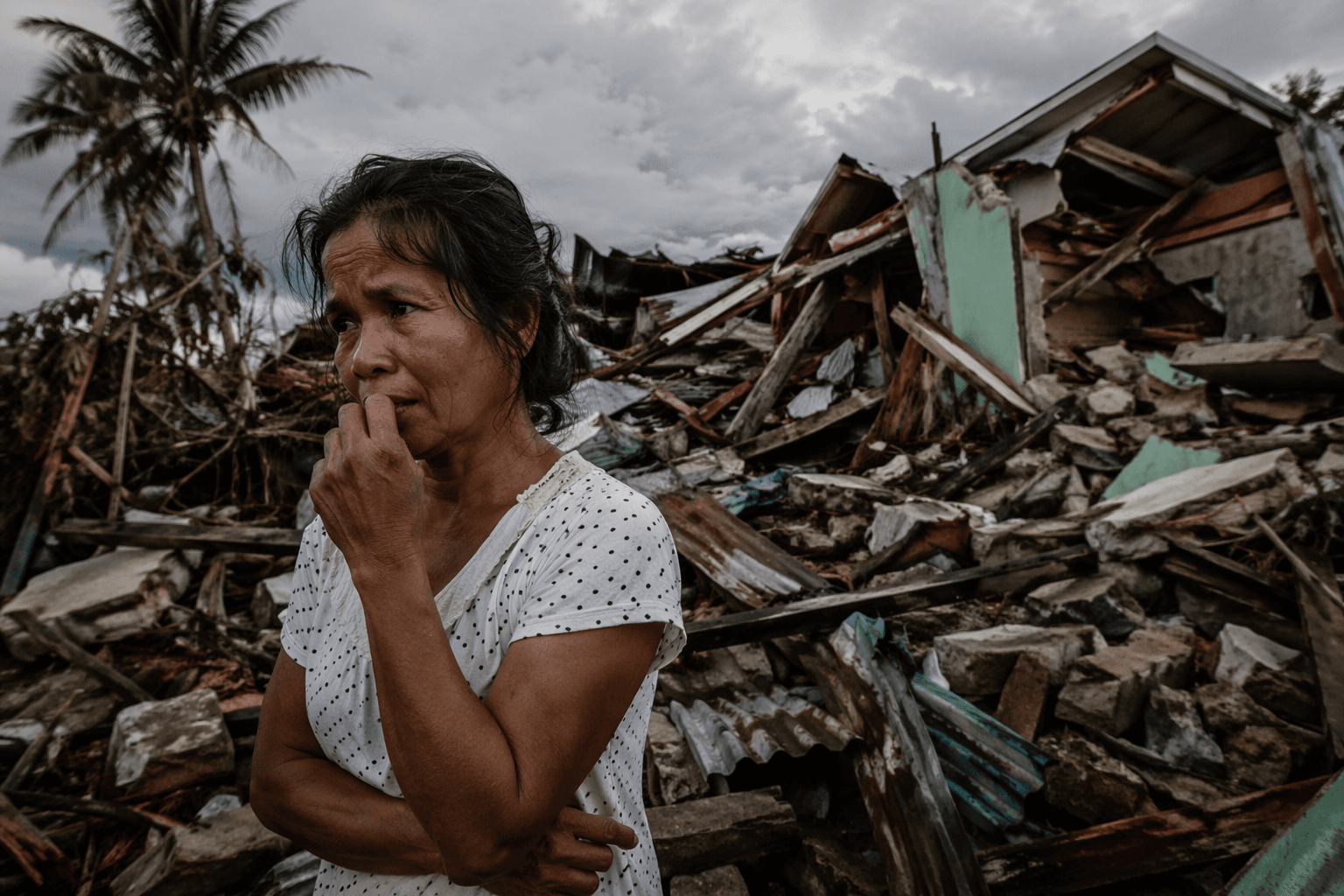
The immediate question after the dead and the wreckage is whether stronger building standards, faster warnings and tighter disaster planning could have spared lives. A powerful offshore earthquake struck near Sarangani in Mindanao at 7:37 a.m., collapsing or severely damaging low-rise buildings in General Santos City and leaving at least 35 people dead and more than 200 injured.
The Philippine Institute of Volcanology and Seismology first measured the quake at magnitude 7.0 before upgrading it to 7.8. The epicenter was about 24 kilometers west of Sarangani province at a depth of roughly 33 kilometers, a shallow strike that sent shock through much of southern Mindanao. Tsunami warnings followed for the Philippines, Indonesia, Palau, Taiwan and Papua New Guinea, while the Pacific Tsunami Warning Center said waves as high as 3 meters were possible on some coasts. Philippine authorities monitored 1-meter waves in parts of Sultan Kudarat and Sarangani before the warnings were later lifted.
The toll was compounded by secondary disasters. In Glan, Sarangani, a landslide killed 13 villagers, and four other residents in Sarangani died from causes still being determined. Officials said 12 people were missing in the Davao Region, and search teams worked through rubble from a supermarket, a warehouse and a school after power outages cut off contact with some affected communities. In General Santos City, a port and tuna-export hub of more than 700,000 people, the damage was severe enough to raise immediate concerns about how many buildings were built to withstand a major offshore quake.
The response was swift but strained. Around 10,000 families in Sarangani and Sultan Kudarat were preemptively evacuated because of the tsunami alert, a move that likely reduced risk along the coast. More than 100 students and a dozen teachers at a flag-raising ceremony in Malita, Davao Occidental, stayed seated during the shaking, and no injuries were reported there. By mid-afternoon, Phivolcs had recorded more than 180 aftershocks, reinforcing warnings for residents not to return to damaged structures until inspections were complete.
President Ferdinand Marcos Jr. ordered an immediate disaster response, directed agencies to prepare relief supplies and evacuation centers, and warned coastal residents: “Move to higher ground now. Do not wait.” The United States said it was coordinating with Manila and stood ready to support response efforts, while France, Japan and New Zealand also expressed support. The quake was the strongest to hit the Philippines in 2026 and came eight months after a 6.9 magnitude quake off Cebu killed 79 people, another test of whether the country’s warning systems and infrastructure are keeping pace with a nation built on the Pacific Ring of Fire.
This article was produced by Prism’s automated news system from verified source data, official records, and press releases, then run through automated quality and moderation checks before publishing. The system is built and supervised by the people who set the standards it runs under. Read our full AI policy.
Know something we missed? Have a correction or additional information?
Submit a Tip