Police warn of rising home takeover gangs across the UK
Police say home takeover gangs are forcing into vulnerable people's homes, with 584 cuckooed addresses visited in a week and over 6,500 county lines active.
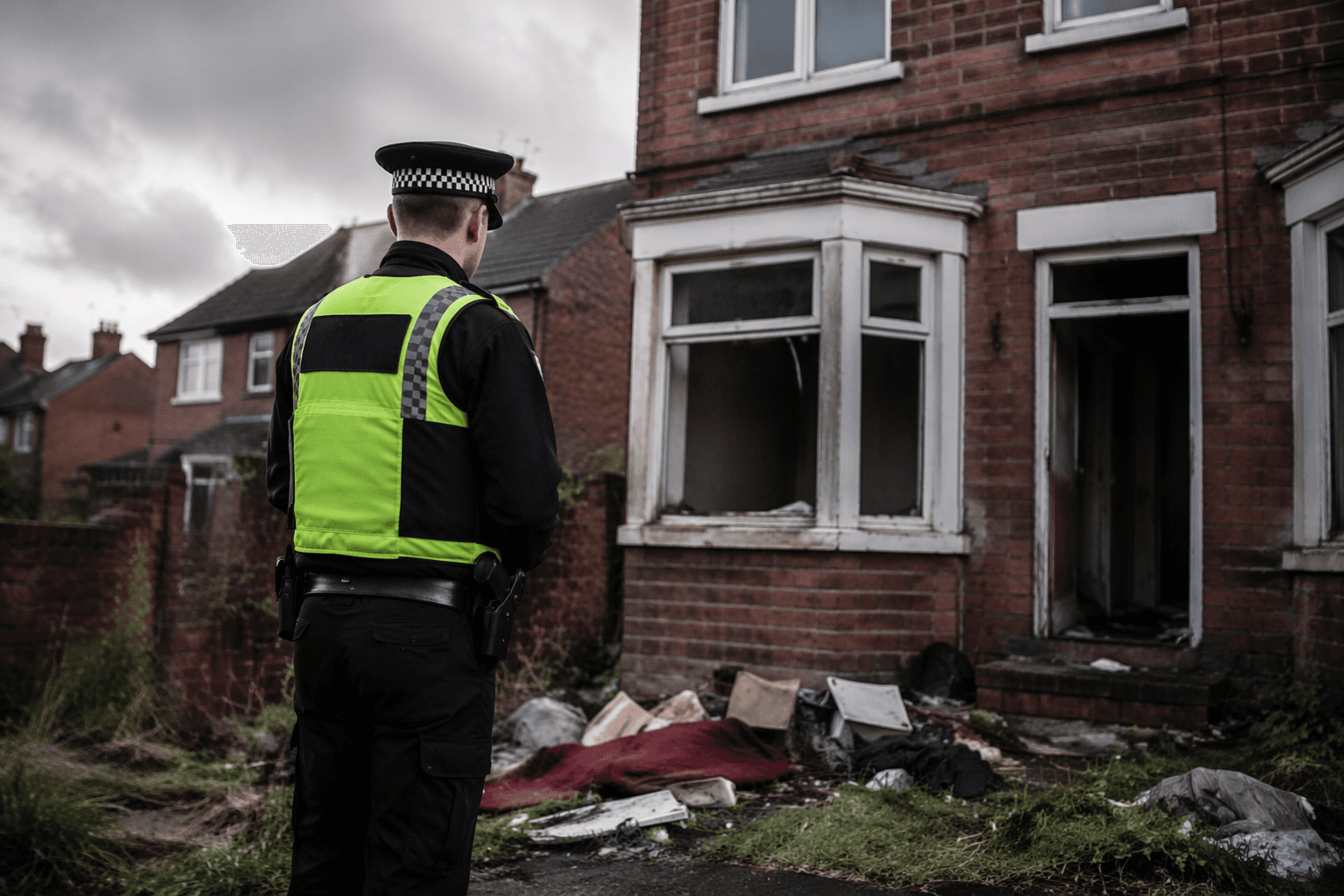
Home takeover gangs are turning vulnerable people’s houses into crime bases across the UK, using coercion, intimidation and pressure to take control of properties from residents with drug or alcohol problems, mental health issues, debt, disability or old age. Police and anti-exploitation groups call the practice cuckooing, and warn that victims can be left terrified in homes they no longer control, while dealers and other offenders operate out of sight behind closed doors.
The scale of the problem has become clearer through national police action. In a week-long crackdown in March 2026, officers made 2,180 arrests, shut down 335 drug lines, safeguarded nearly 800 children and visited 584 cuckooed addresses. A separate national operation in July 2025 shut down 241 county lines and also visited 584 cuckooed addresses, showing how often the same type of vulnerable property is still being targeted.
That enforcement sits alongside a much larger county lines market. The National Police Chiefs’ Council said its 2025 annual assessment found more than 6,500 county lines operating across England, Scotland and Wales. It said county lines remain a major driver of violent crime, with 73.5% of offenders known for violence or weapons offences, and recorded 2,659 children as exploited, although the true number is believed to be higher. The National County Lines Coordination Centre says the threat is nationwide.
Police say cuckooing is one of the ways gangs hide in plain sight. The National Crime Agency says dealers may take over a vulnerable person’s home to stay under the radar, while the Metropolitan Police says the property can be used for drug dealing, storing weapons, sex work and other illegal activity. The result is not only criminal control of a home, but a breakdown in safety for neighbours who may face anti-social behaviour, violence and constant traffic linked to the address.
The problem has also exposed gaps in protection. For years, police said cuckooing was difficult to tackle because there was no bespoke offence, forcing forces to rely on existing laws. The UK government has now moved to create a standalone cuckooing offence in the Crime and Policing Bill, saying it is meant to recognise the harm caused by home takeover and help protect victims through a multi-agency response with police and local authorities.
Safeguarding groups say that response still depends on better detection. A London Assembly report in May 2023 said cuckooing can devastate the person exploited and blight surrounding communities. The College of Policing said South Yorkshire Police found limited national products to support forces in identifying cuckooing, and The Children’s Society says professionals are struggling to keep up with criminal exploitation.
This article was produced by Prism’s automated news system from verified source data, official records, and press releases, then run through automated quality and moderation checks before publishing. The system is built and supervised by the people who set the standards it runs under. Read our full AI policy.
Know something we missed? Have a correction or additional information?
Submit a Tip