Israel and Iran agree to halt attacks after dangerous escalation
Israel and Iran both said they would pause attacks after Monday's strikes, easing a clash that threatened to collapse the April truce and widen the war.

Israel and Iran stepped back from a new round of direct attacks after airstrikes, missile fire and threats of retaliation revived fears that the April ceasefire was coming apart. The exchange was the most serious escalation since that truce began, and it underscored how quickly the region could slide toward a broader war.
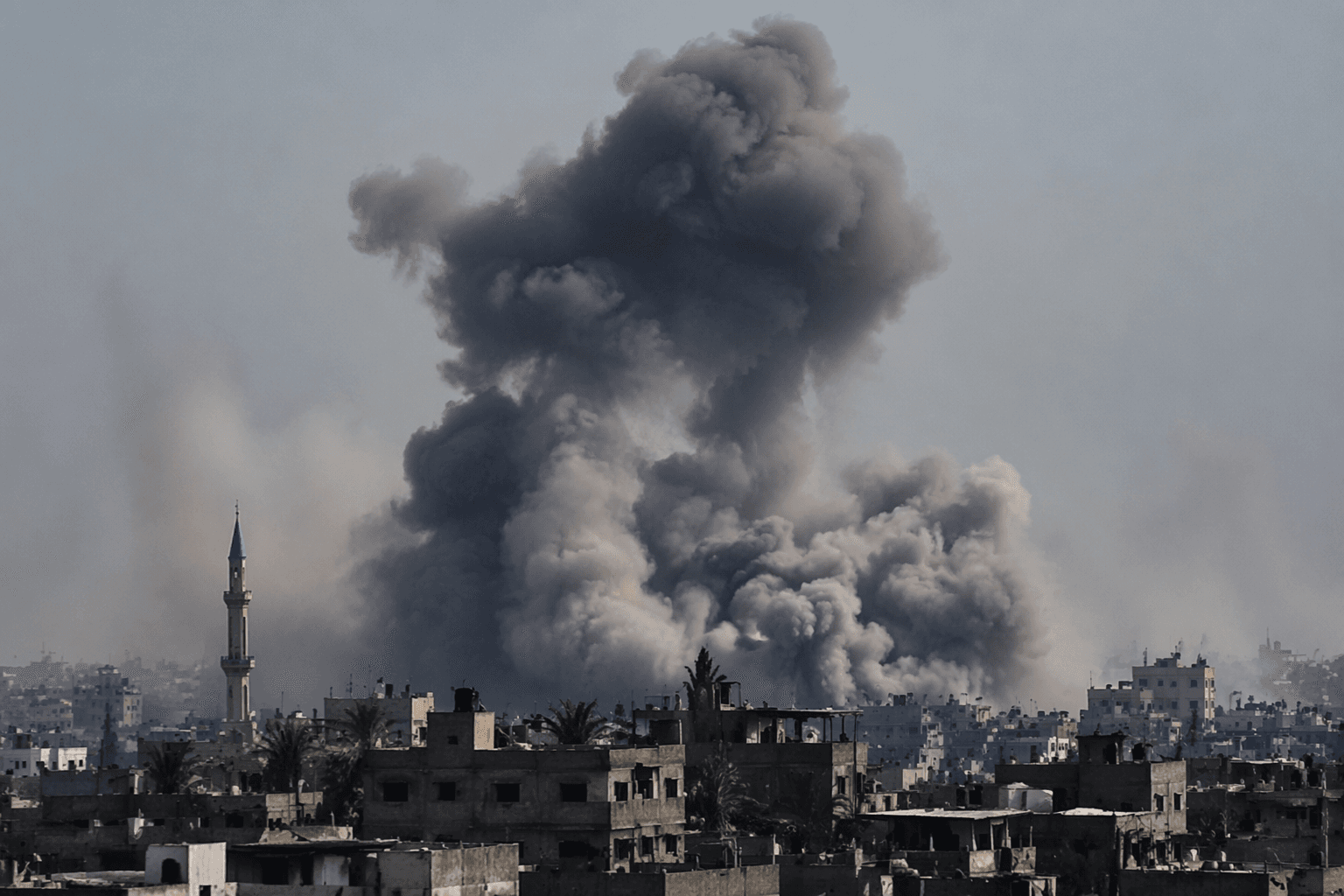
Israel launched airstrikes early Monday on central and western Iran after missiles were fired from Tehran. The Iranian military then said it would halt its operation against Israel, signaling a pause after a day of hostilities that pushed the conflict far beyond a routine border or proxy exchange. The fighting had already raised alarms that the wider Middle East could be dragged back into regional war.
U.S. President Donald Trump tried to force the pace of de-escalation, urging both sides to "immediately stop shooting" and saying negotiations were continuing. Reports said he had spoken with Benjamin Netanyahu and pressed for restraint. Netanyahu later said Israel had halted attacks against Iran "for now" but would respond to any future attacks, a formulation that left the door open for rapid escalation if either side decided the pause was temporary.
The renewed violence was tied to a broader chain of regional attacks, including Israeli strikes on Beirut that helped trigger the latest exchange. That broader spillover carried beyond the Israel-Iran confrontation as Yemen’s Houthi rebels announced a ban on Israeli vessels in the Red Sea, widening the economic and security risks from the crisis.
The ceasefire that took effect in April 2026 had largely held for about two months before Monday’s flare-up. That relative calm now looks fragile. The latest round showed that direct Israel-Iran clashes remain capable of unraveling even when both governments, under heavy U.S. pressure, say they want to pull back. In a region already shaped by overlapping fronts, the pause now matters as much for what it prevents as for what it reveals: a conflict that can still spread fast, and a peace that remains unsteady.
This article was produced by Prism’s automated news system from verified source data, official records, and press releases, then run through automated quality and moderation checks before publishing. The system is built and supervised by the people who set the standards it runs under. Read our full AI policy.
Know something we missed? Have a correction or additional information?
Submit a Tip