8-Week App-Based Mindfulness Intervention Reduces Stress, Boosts Well-Being in Working Women
An 8-week, voice-guided mindfulness app cut perceived stress and improved life satisfaction in working women, suggesting a low-cost, convenient tool for busy employees.
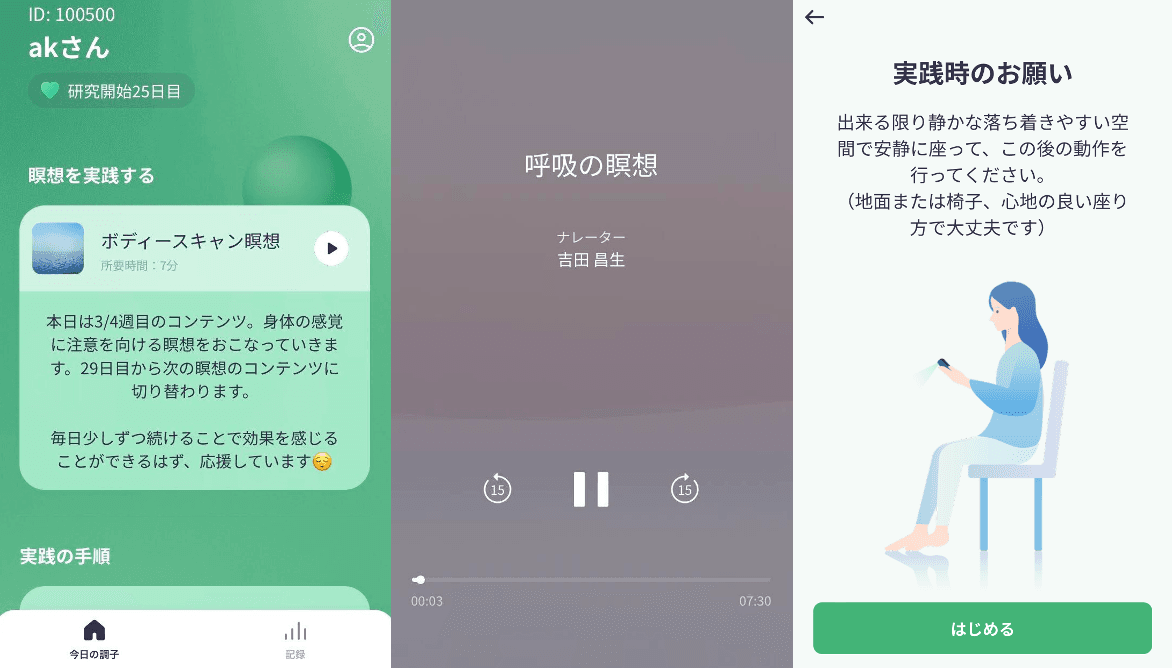
A randomized controlled trial finds that an 8-week, app-delivered mindfulness program reduced stress and improved well-being in working women, offering a practical, low-cost option for on-the-go practice. Riko Uwagawa, Koichiro Adachi, Mariko Shimoda, and Ryu Takizawa report in the Journal of Medical Internet Research that women assigned to the intervention showed improvements in several psychological outcomes compared with a waitlist control.
The trial enrolled working women recruited via crowdsourcing sites, social networking services, and a study website, then randomized them to the intervention group (n = 106) or waitlist control group (n = 107). Participants in the intervention group "practiced guided mindfulness meditation every day at their convenience via an app on their cell phones for 8 weeks." The app "provides an 8-week program with 4 meditation contents per 2 weeks" and is voice-guided to support daily practice without the time demands of traditional mindfulness-based programs.
Outcomes were measured by web-based questionnaires across four domains: general psychological, work-related, family-related, and work-to-family conflict. The authors state, "The app was effective in reducing perceived stress, depressive and anxiety symptoms, and trait anger (reaction), and in improving life satisfaction among working women." At the same time, they note limits: "However, to improve work- and family-related indicators, higher-intensity interventions may be required, such as modifying the intervention content or extending its duration." The trial is registered with UMIN-CTR UMIN000051796.
Context in the mindfulness community matters. Uwagawa and colleagues frame app delivery as addressing participation barriers posed by traditional high-intensity programs, arguing that "the mobile-based mindfulness intervention is an app-based, voice-guided meditation practice that allows users to practice at their own convenience, which offers the advantages of high convenience and low cost." Their findings align with prior evidence cited by the authors that app-based meditations can lower perceived stress and anxiety while boosting subjective well-being.

Reporting caveats include the abstract’s lack of numeric effect sizes, adherence figures, and detailed demographic breakdowns; the full paper is needed to assess magnitude, who benefited most, and whether benefits persisted. Separate trials cited by the authors report sleep and physiological gains or different adherence patterns, but those results come from other samples and interventions and should not be conflated with this trial.
For readers juggling commutes, meetings, childcare, and mindful minutes, the study points to a realistic entry point: short, daily guided sits via a smartphone can move stress levels and life satisfaction in a positive direction. Employers and workplace wellness coordinators may consider app-based programs as scalable building blocks, while researchers should test longer or higher-intensity modules to target job performance and family-related stress.
Know something we missed? Have a correction or additional information?
Submit a Tip